This article digs into how machine learning (ML) and artificial intelligence (AI) contribute to the optimization of green energy systems and electric vehicles (EVs). It looks at a few of the ways ML/AI enable designers to deploy dynamic models that learn from experience, and handle non-linearities and changing, complex conditions better than fixed algorithms. Part 1 presented use cases of ML/AI in power supply and motor drive control circuits.
In EV and green energy systems, ML/AI is used to understand energy usage patterns and optimize energy distribution, consumption, and storage. That can deliver up to a 30% energy performance improvement.
Benefits of ML/AI in EVs
A key benefit of adding ML/AI to EVs is reducing range anxiety. ML/AI tools provide two significant benefits that contribute to lower anxiety. First, AI can extend the driving range by optimizing efficiency. Second, and maybe more important, AI provides more accurate, dynamic, and reliable range predictions. The net result is that drivers have increased peace of mind and less anxiety.
The use of ML/AI in EV battery management systems (BMS) moves performance to a higher level. Instead of simply “managing” battery performance, an ML/AI-based system actively monitors the subtitles of battery state-of-health (SoH). A deeper understanding of SoH supports superior cell balancing and better charging optimization that produces longer battery pack lifetimes.
Routing and charging
A GPS navigation and routing system, enhanced with ML/AI, can be directed to select the most energy-efficient route, rather than just the fastest. In determining the most energy-efficient route, factors like topography, traffic density, and even anticipated wind speed can be factored in.
EV charging opportunities can also be optimized with ML/AI by determining the best times and locations to charge and factoring that into route planning. Considerations like real-time electricity pricing, grid demand, and anticipated crowding at charging sites can be included.
ML/AI EV battery systems can prepare the battery for charging prior to arrival at the charging station, for example, by bringing the battery to the optimal temperature. That can reduce charging times and improve battery lifetimes.
Implementing ML/AI in EVs
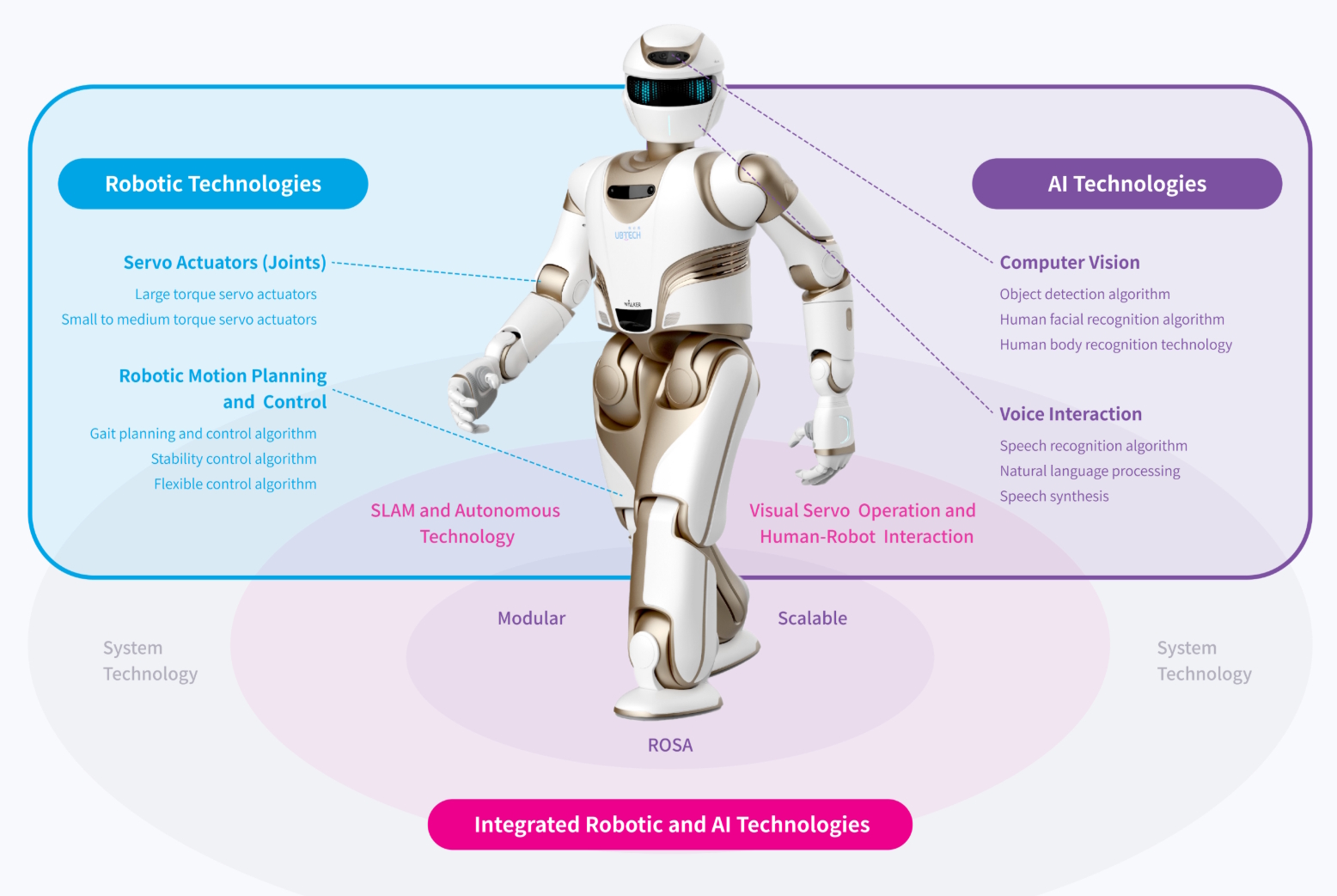
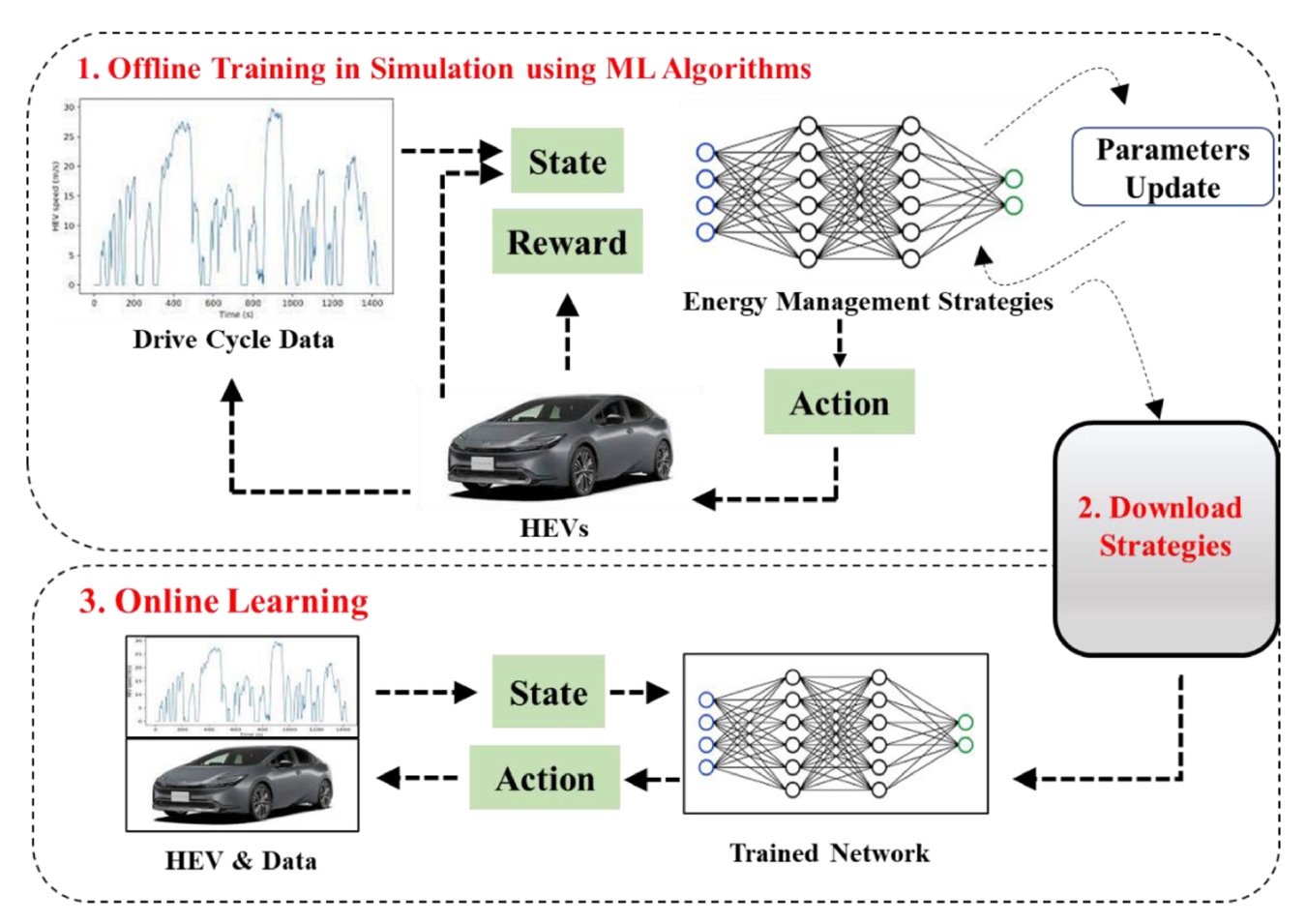
Cloud connectivity can be challenging in an EV, especially while driving, when wireless service availability can be less than guaranteed. As a result, many of the ML/AI implementations in EVs combine more intensive initial training activities in the cloud with local updating based on real-time operation to support adaptability to real-time realities (Figure 1).
PV panel predictive maintenance
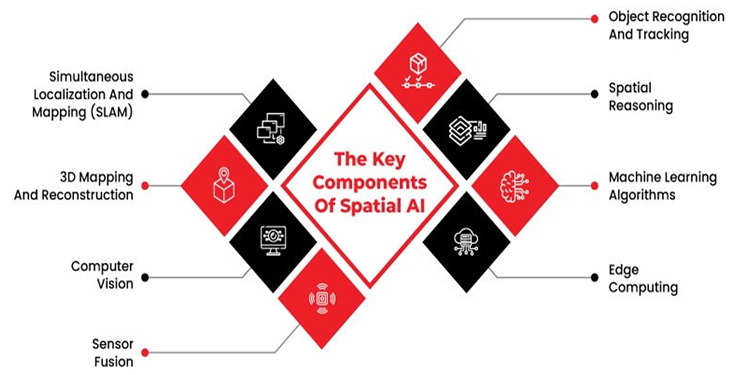
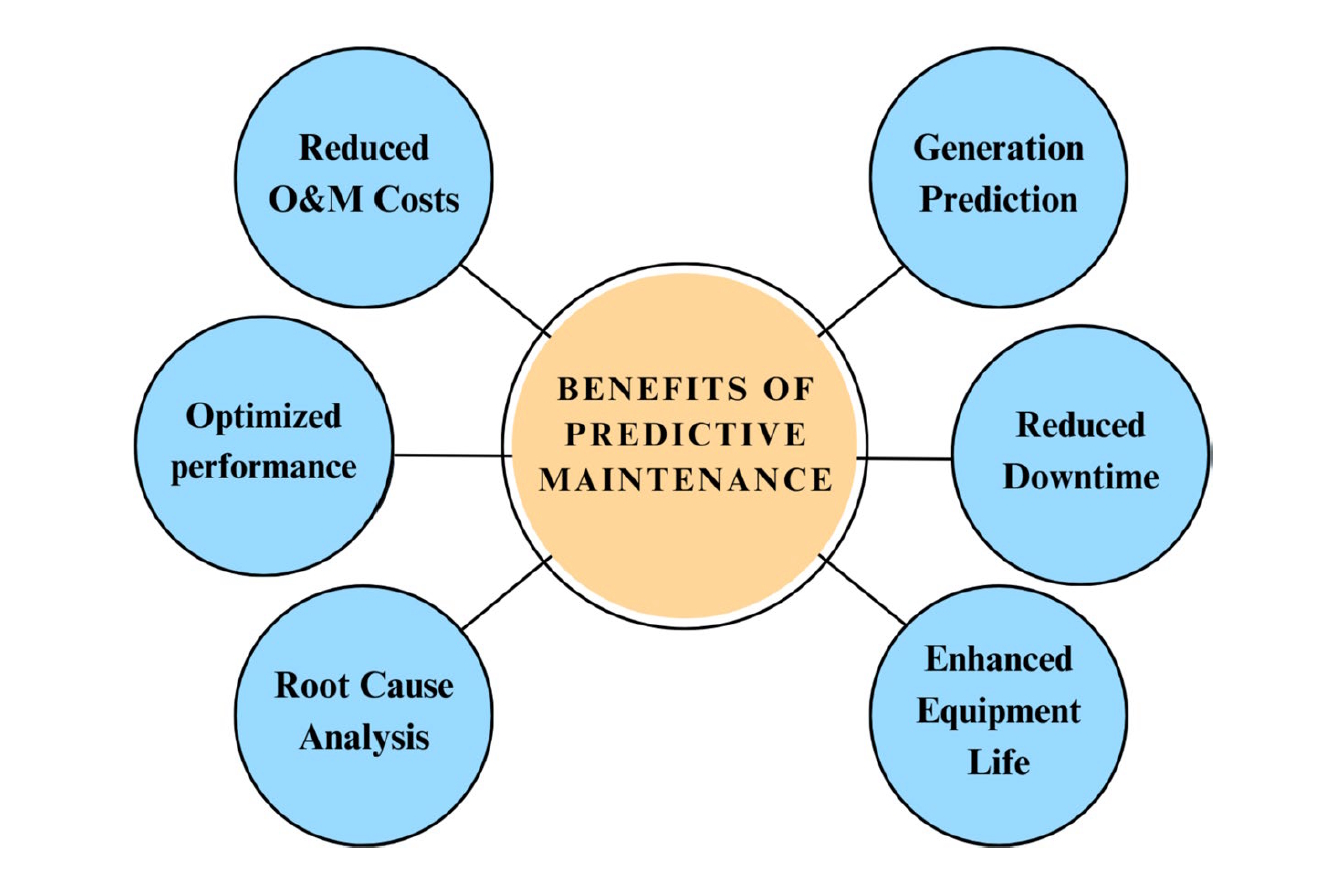
Effective management of PV panel predictive maintenance (PdM) is a key area for improving long-term performance. And it’s an area where ML/AI tools excel. While PdM minimizes system downtimes and maintenance costs, it optimizes the performance of solar assets through fault prediction before it has the opportunity to occur in the process. Benefits include reduced overall costs, optimized performance, generation prediction, root cause analysis, enhanced equipment life, and reduced downtime (Figure 2).
ML/AI are being used to predict PV panel degradation by continuously analyzing historic and real-time solar irradiance, weather patterns, electrical data, and more. That enables algorithms to identify potential failures, like dirt/dust buildups, cracking, or shading, before they become critical. That, in turn, enables scheduled maintenance, minimizing downtime that extends operating lifetime and reduces long-term costs.
Some systems use physics-based models that consider second-order factors like how temperature affects voltage, how shading impacts current flow, and how weather conditions influence performance. When actual behavior deviates from the predictions, it signals a possible problem.
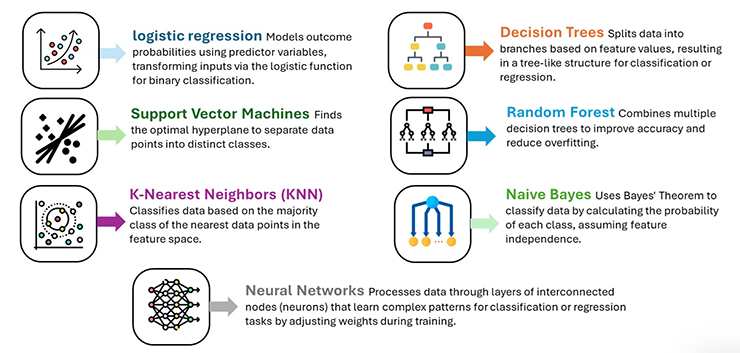
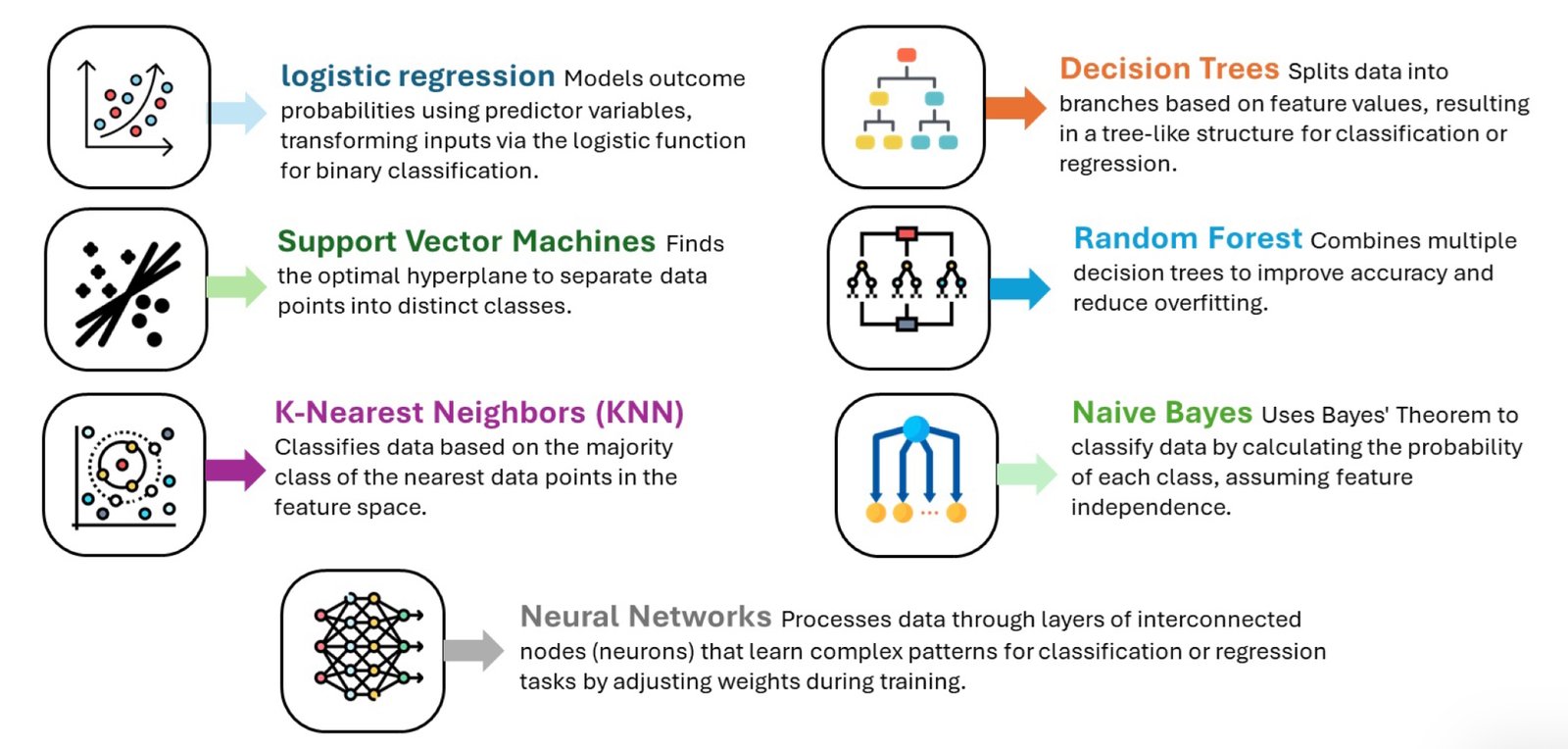
There’s a wide range of ML/AI tools used with PV systems (Figure 3):
- Logistic regression is a supervised ML and statistical technique used to predict the probability of binary outcomes, like true or false.
- Decision trees, K-nearest neighbors, and support vectors are also supervised ML techniques and are used for both classification and regression tasks.
- Random forests consist of multiple decision trees to provide more accurate and stable results.
- Naive Bayes is a supervised ML algorithm used for classification.
- Neural networks can be used to implement supervised, unsupervised, or reinforcement learning.
Summary
The addition of ML/AI in EVs and PV energy systems brings numerous benefits. In EVs, those tools can reduce range anxiety, speed charging, and extend battery pack lifetimes. While in PVs, they can improve energy output and system reliability and availability.
References
A Deep Learning Approach to Improve the Control of Dynamic Wireless Power Transfer Systems, MDPI energies Advanced automated machine learning framework for photovoltaic power output prediction using environmental parameters and SHAP interpretability, Results in Engineering Artificial-Intelligence-Based Detection of Defects and Faults in Photovoltaic Systems: A Survey, MDPI energies Artificial Intelligence of Things for Solar Energy Monitoring and Control, MDPI applied sciences How AI is making electric vehicles safer and more efficient , IBM Machine Learning-Based Predictive Maintenance for Photovoltaic Systems, MDPI AI Optimal energy management strategies for hybrid electric vehicles, Journal of Engineering Research Readiness of artificial intelligence technology for managing energy demands from renewable sources, Engineering Applications of Artificial Intelligence Recent Results on the Use of Artificial Intelligence Techniques Applied to Wireless Power Transfer Systems, IEEE Access Revolutionizing solar energy resources: The central role of generative AI in elevating system sustainability and efficiency, Applied Energy The rise of smarter homes: Harnessing AI for energy efficiency and resilience, Schneider Electric
Related EEWorld Online content
- How is AI being used to improve electric vehicle efficiency?
- How is AI enabling the decarbonization of the utility grid?
- How advanced control strategies and system architectures contribute to sustainability
- Controlling EMI and improving sustainability
- How does digital isolation contribute to sustainability?