
Additive research update: GenAI, 3D printing in microgravity, and more
Ian Wright August 11, 2026
News from the bleeding edge at LLNL, MIT, ORNL, CAS, etc.
Read article →
News from the bleeding edge at LLNL, MIT, ORNL, CAS, etc.
Read article →
The platform lets teams benchmark AI workloads on production-grade infrastructure to assess performance and cost before deployment.
Read article →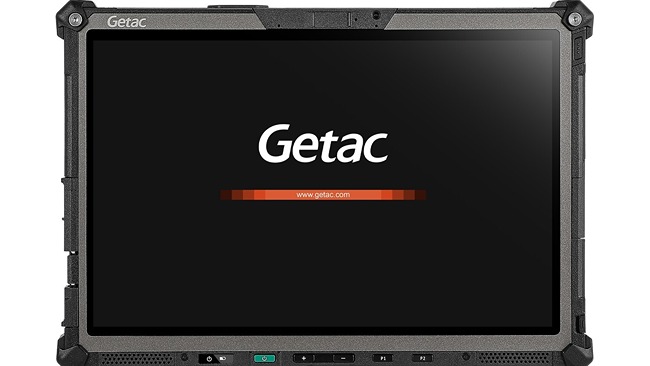
Portfolio includes F120, UX10 and V120 with Intel Core Ultra processors, up to 48 TOPS AI and MIL-STD-810H certification.
Read article →
Rack-scale systems support up to 227 kW TDP and NVLink-connected GPUs with hybrid and liquid cooling options for large AI clusters.
Read article →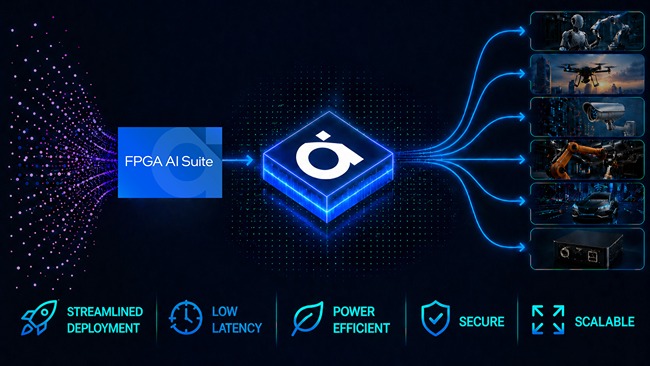
Version 26.1.1 adds a spatial compiler for Agilex FPGAs and remains license-free for up to 100,000 inferences.
Read article →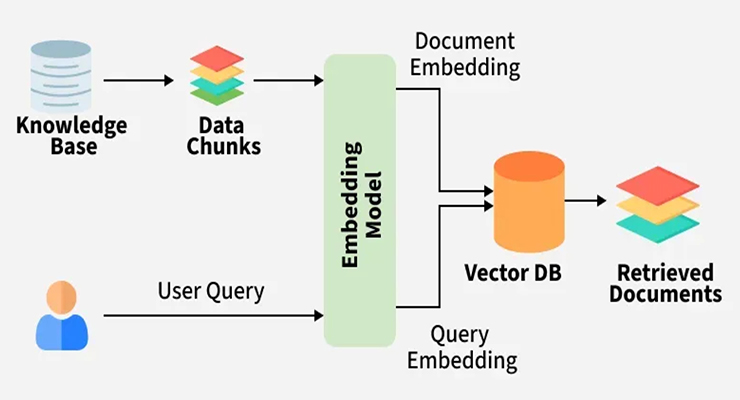
Retrieval-augmented generation (RAG) and table-augmented generation (TAG) are both techniques to improve the ability of artificial intelligence (AI) to generate accurate and relevant information by leveraging external data. Other choices include retrieval-augmented fine-tuning (RAFT) and retrieval-centric generation (RCG).
Read article →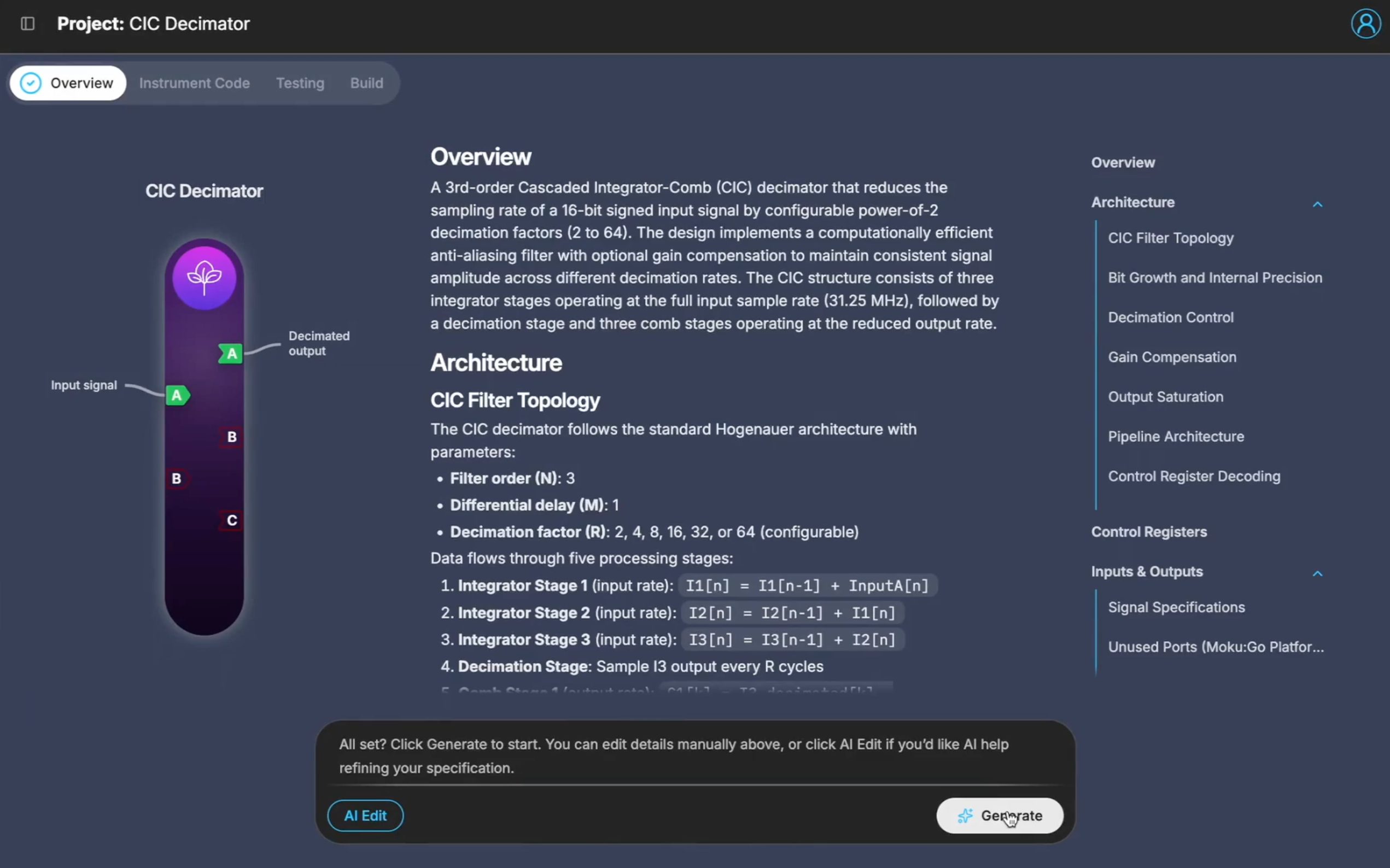
At DesignCon 2026, Liquid Instruments displayed the Moku:Delta hardware platform and a new AI tool called Generative Instrumentation. Moku:Delta is a meaningful hardware upgrade over its predecessor, featuring eight channels instead of four, a larger FPGA, improved analog input noise performance, and QSFP ports that support high-speed data streaming up to 80 Gbps. The device […]
Read article →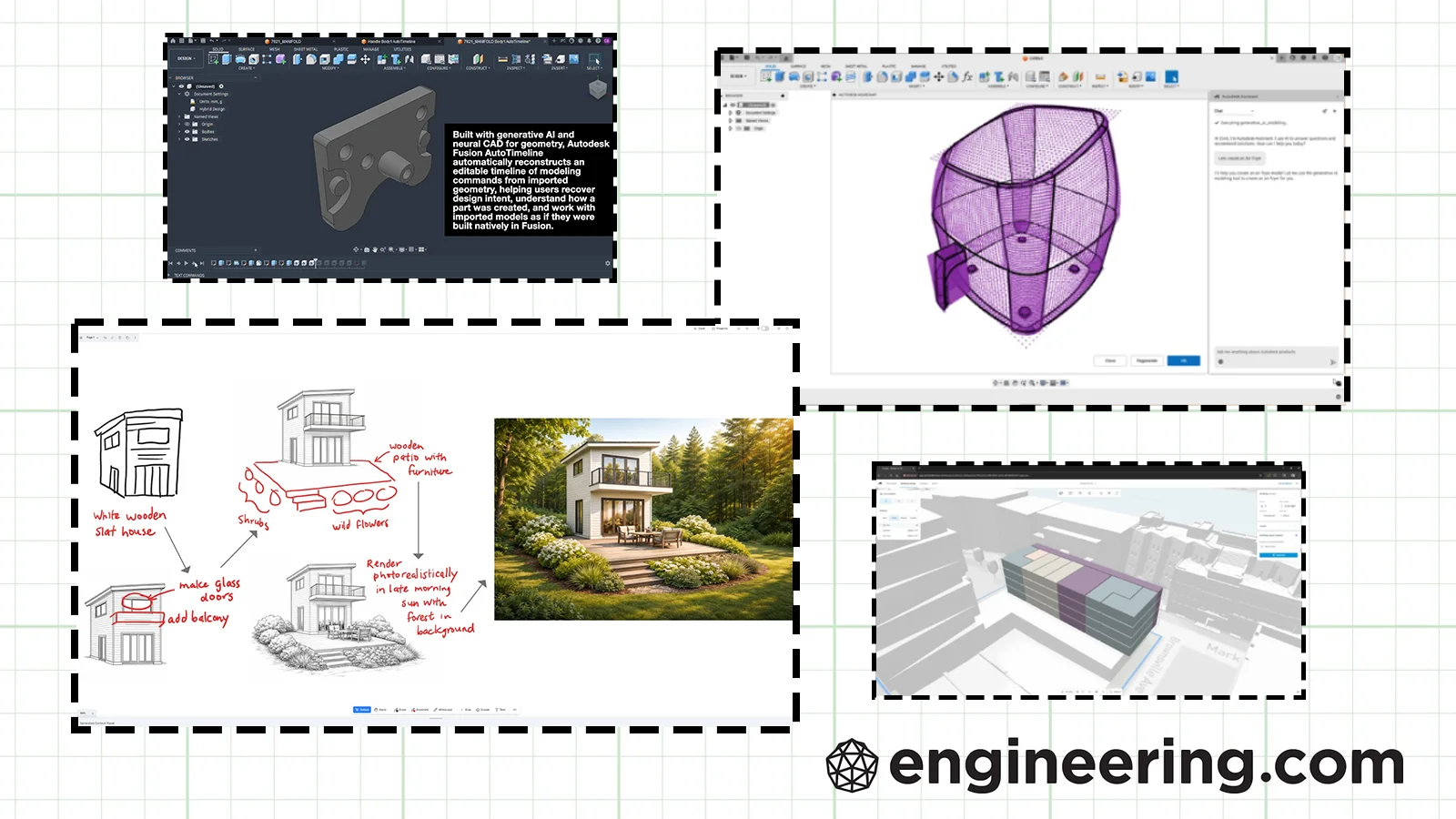
“Imagine Midjourney for CAD, but with fully editable results and a smoother, more intuitive human-to-computer interface.”
Read article →
Design and Simulation Week 2026 offers an inside look at how AI is transforming engineering software. Plus, Creo’s new AI Assistant and other software news.
Read article →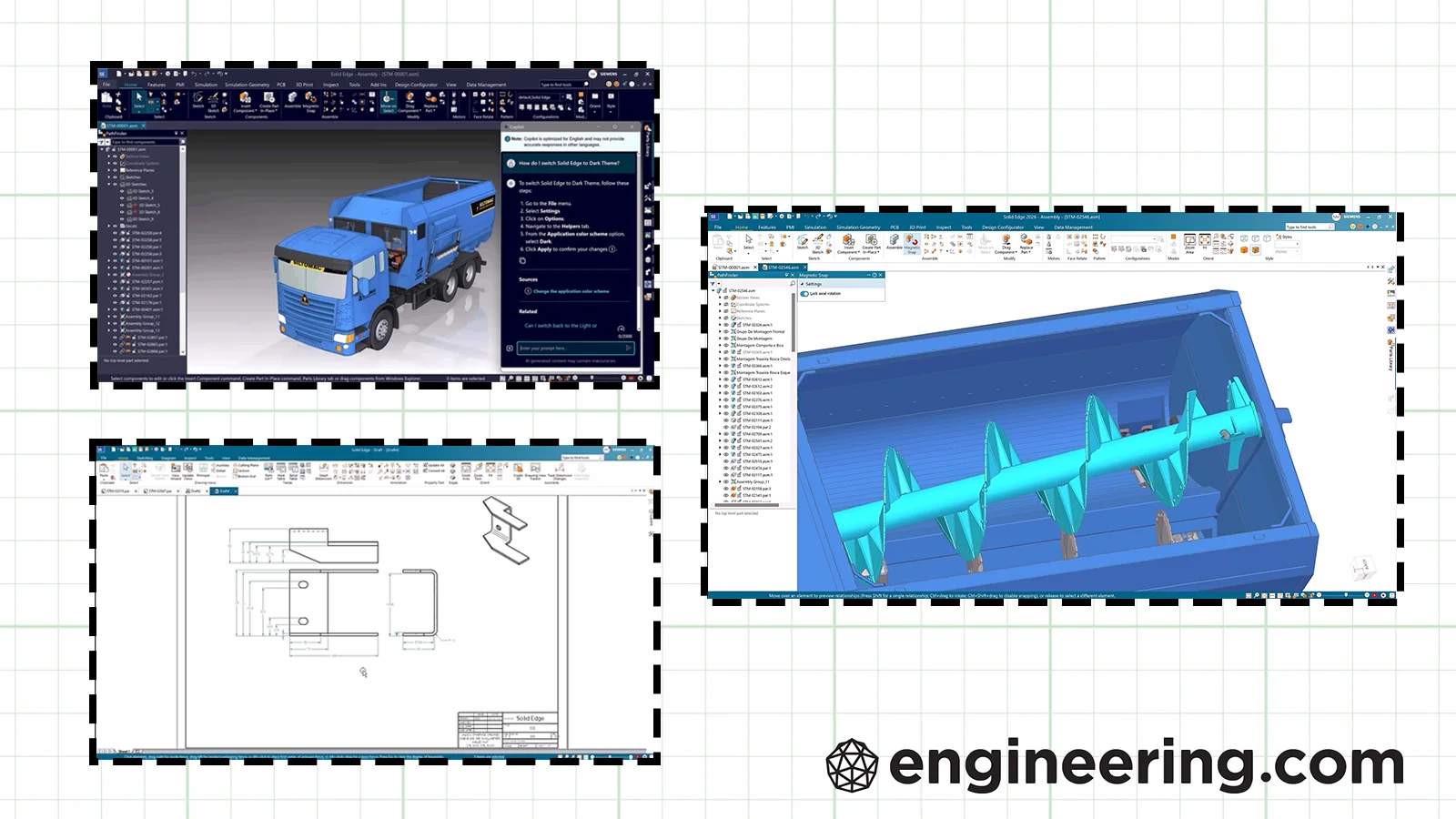
Siemens’ CAD platform gets a bit smarter as its name gets a bit longer. That and more engineering software news.
Read article →
igus, a global manufacturer of motion plastics, has developed igusGO, a free mobile app that uses artificial intelligence (AI) to help users find the ideal motion plastics products and technologies for their application.
Read article →
Sign up for the webinar series running from June 8-12 with expert guests from the engineering software industry.
Read article →
The dual announcements signal how quickly enterprise AI priorities are shifting.
Read article →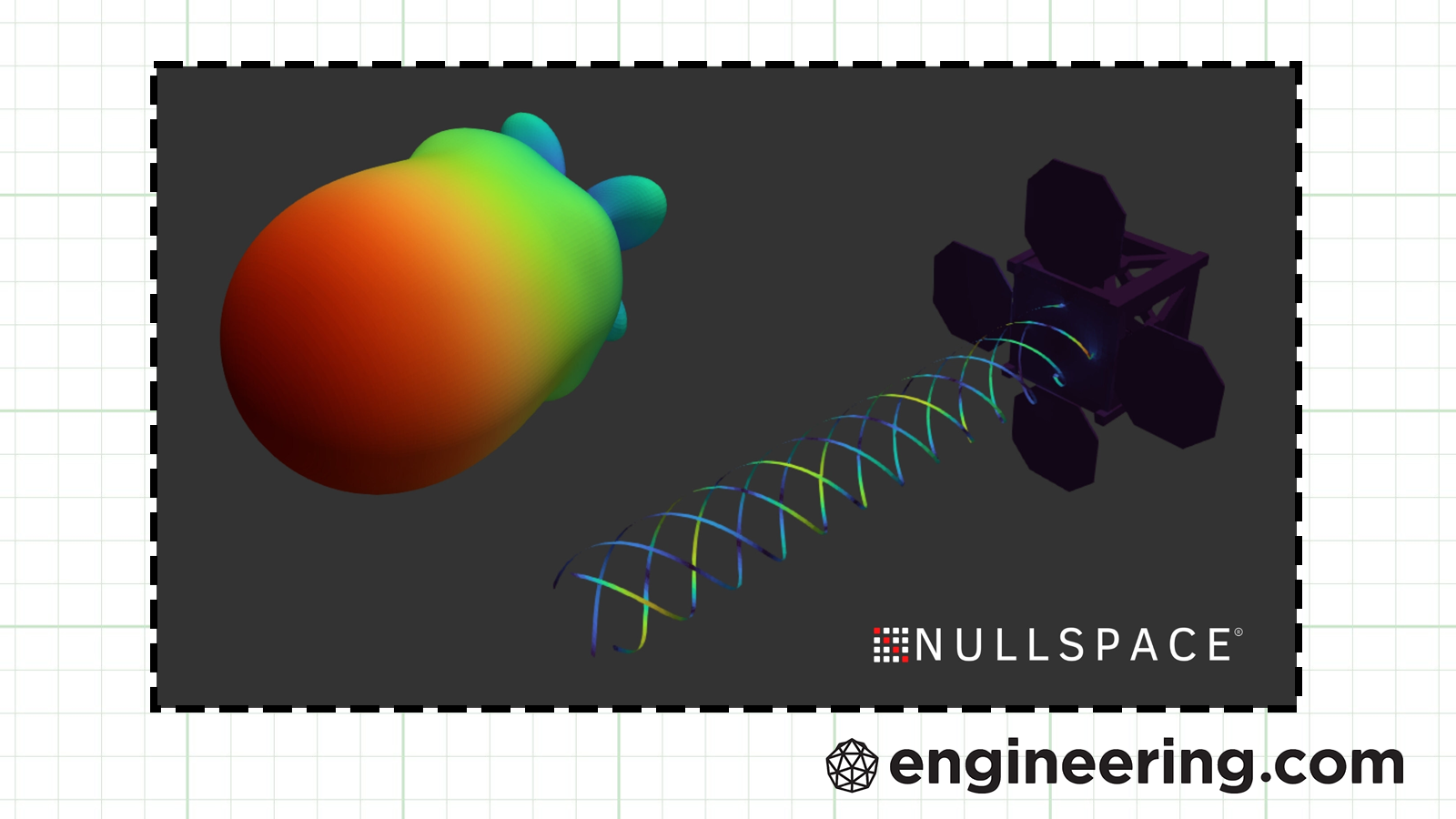
Latest version of Nullspace EM provides up to 100x speedups, according to Nullspace, plus more design and simulation software news.
Read article →
Last month Nvidia launched it’s powerful new AI and robotics developer kit Nvidia Jetson AGX Thor. The chipmaker says it delivers supercomputer-level AI performance in a compact, power-efficient module that enables robots and machines to run advanced “physical AI” tasks, like perception, decision-making, and control, in real time, directly on the device without relying on the cloud. […]
Read article →
Artificial intelligence (AI) and machine learning (ML) are continuing to become more mainstream and you’ll find the technology in everything from your smartphone apps and computer programs to smart tech and appliances, and automobiles (think self-driving cars). These technologies are no longer confined to scientific computing and statistical research but have, for the most part, become a…
Read article →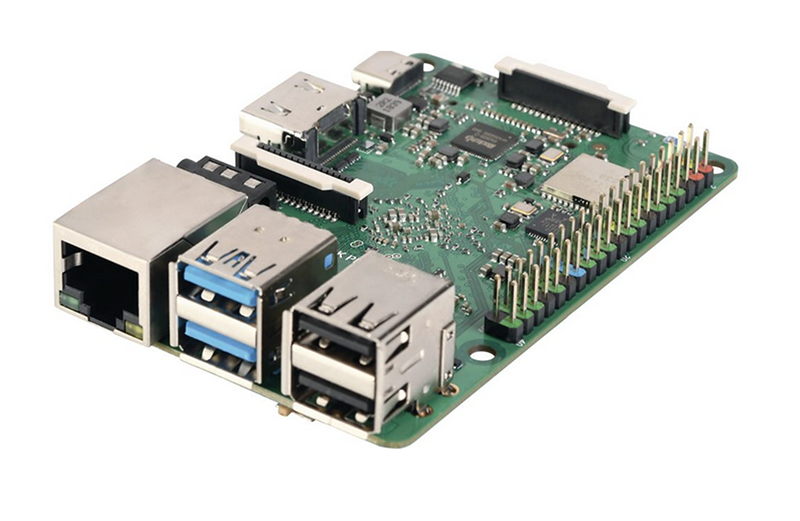
Machine learning (ML) and artificial intelligence (AI) are no longer limited to high-end servers or cloud platforms. Thanks to new developments in integrated circuits (IC) and software technology, it’s possible to implement ML algorithms and deep learning neural networks on tiny controllers and microcomputers. And these embedded devices installed at edges must no longer rely…
Read article →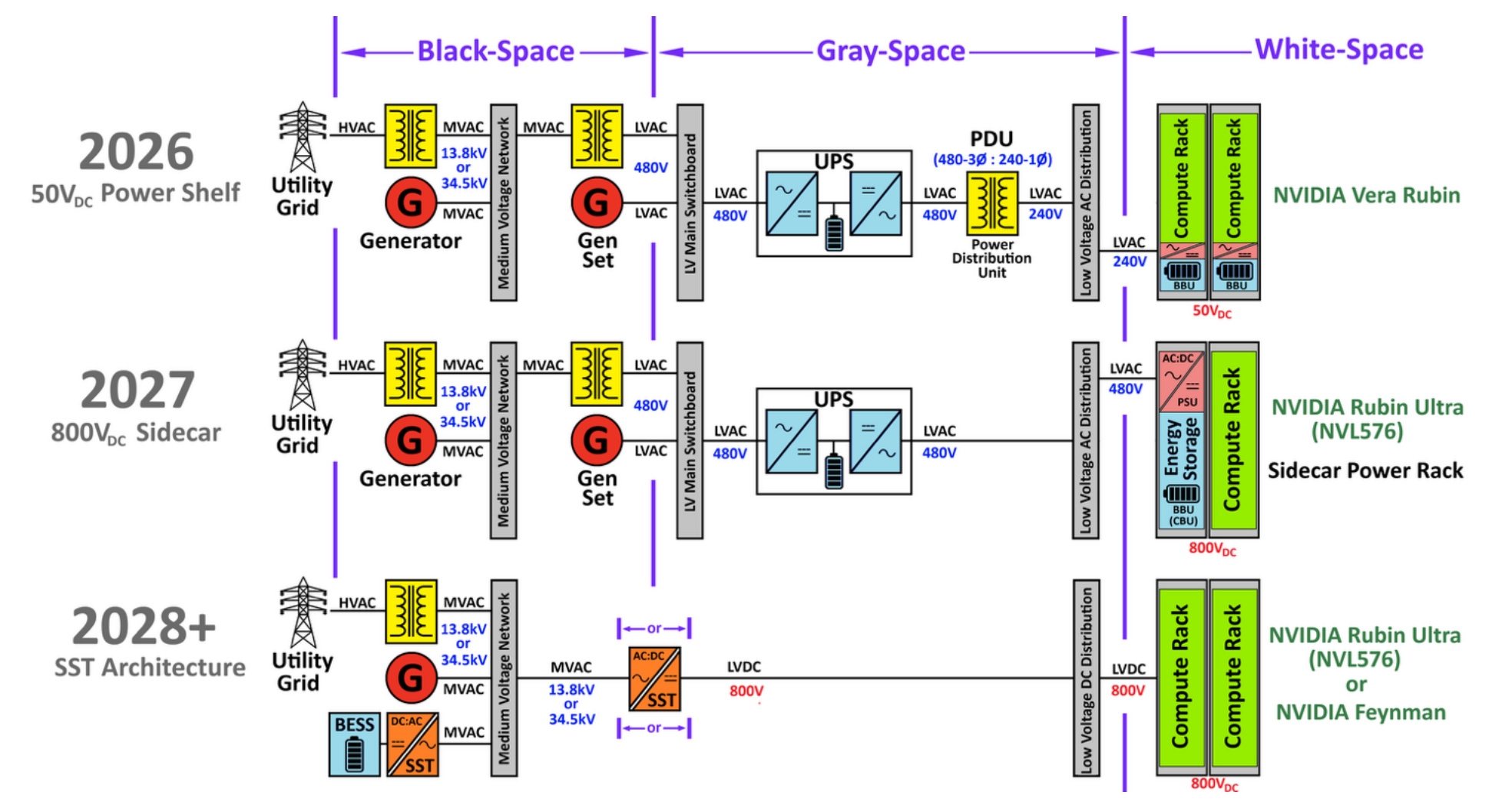
There’s a critical symbiosis between artificial intelligence (AI) and solid-state transformers (SSTs), especially in hyperscale data centers, green energy systems, and electric vehicle (EV) infrastructure. Those applications increasingly rely on SSTs to maximize efficiency, and SSTs use AI to monitor, manage, and optimize complex grid dynamics and power conversion. Individual AI computing clusters in hyperscale […]
Read article →
Large data sets are needed to train artificial intelligence (AI) algorithms, and they can be expensive. So, how much data is enough? The complexity of the problem, the complexity of the model, the quality of the data, and the required level of accuracy primarily determine that.
Read article →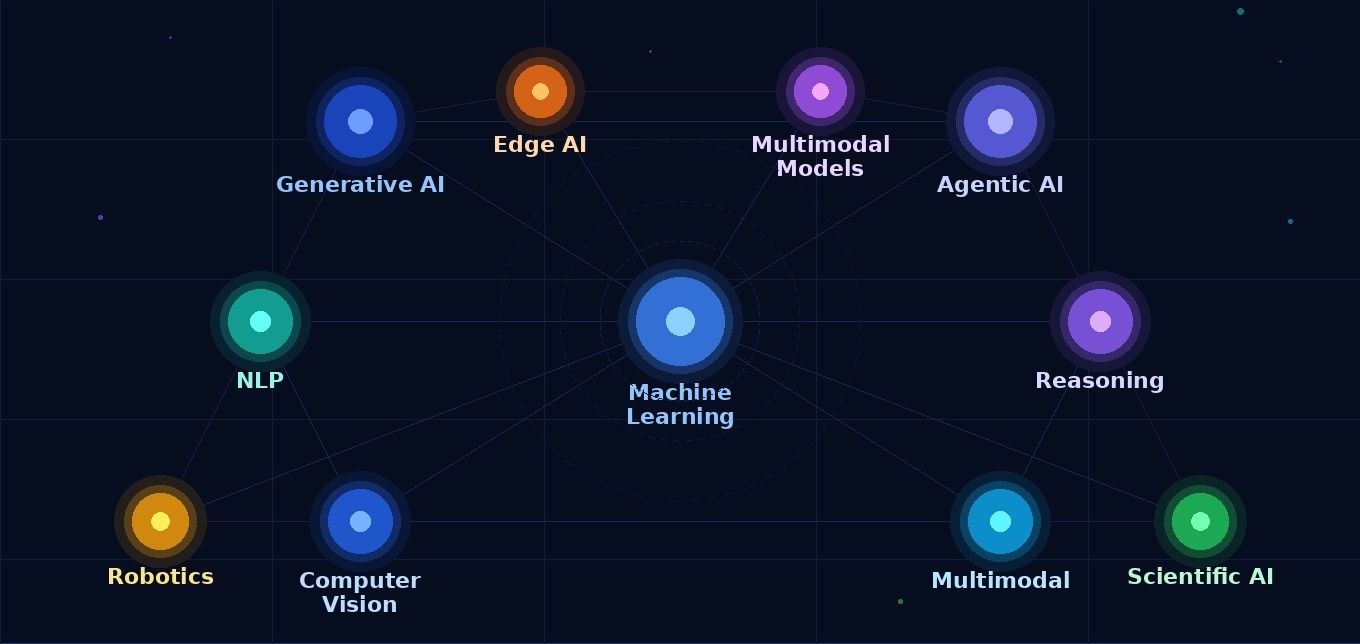
Artificial intelligence crossed a critical threshold in 2026. AI is no longer confined to research labs or narrow pilot programs. It sits at the strategic core of nearly every major industry, with global AI spending projected to exceed $2 trillion in 2026 alone. That is a 36% year-over-year increase. Enterprise adoption has reached 88%, though…
Read article →
The artificial intelligence (AI) subscription market in 2026 has become one of the most saturated categories in consumer software. Nearly every major AI assistant now starts at around $20 per month for its flagship individual plan, making it challenging for users to understand which platform actually offers the best value for their needs. ChatGPT Plus,…
Read article →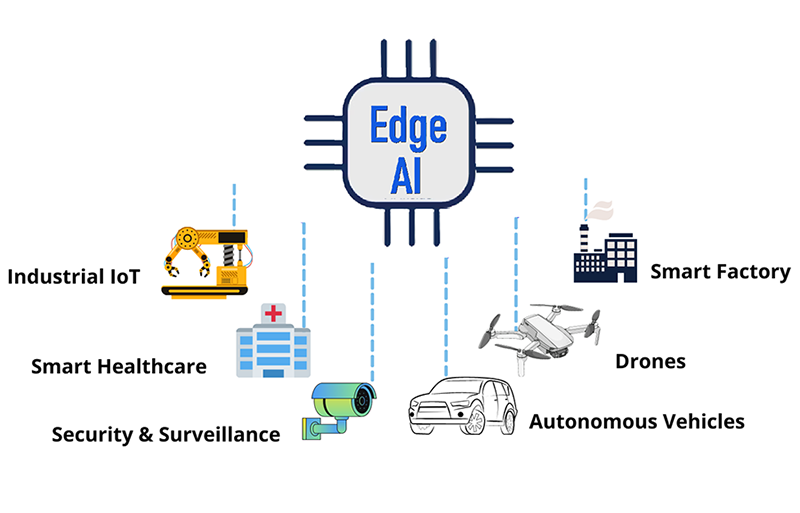
Edge AI refers to deploying artificial intelligence (AI) algorithms and models directly on local devices like sensors, smartphones, or Internet-of-Things (IoT) devices. This approach includes edge computing, which processes data closer to where it’s generated rather than sending it to a centralized Cloud for analysis. According to a report by Gartner, by the end of…
Read article →
The demand for artificial Intelligence (AI) chips is increasing due to their suitability in certain AI applications. This development mirrors the rise of Graphic Processing Units (GPUs) for 3D applications years ago. However, traditional CPUs and even GPUs often fall short in handling the unique demands of AI workloads, prompting the emergence of AI-specific chips.…
Read article →
Design engineers are under more pressure than ever to design faster, design smarter, and shift-left problems before they become expensive downstream. Leaders and managers expect AI to be part of workflows now to increase daily efficiency and reduce costs. But at the same time, supply chain disruptions, material costs, tariffs, workforce shortages, and the constant…
Read article →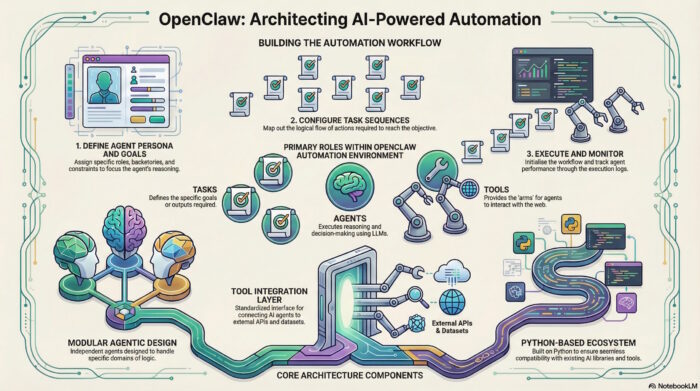
OpenClaw is being touted as the “operating system for personal AI.” It’s being supported by a wide array of companies, including NVIDIA. Target applications range from generative and agentic AI in consumer devices like smartphones, edge applications like medical devices, and physical AI (PAI) in robotics. Formerly called Clawdbot, OpenClaw is designed to fill a […]
Read article →
In the previous article, we discussed the different types of AI chips. Among these, ASICs play a significant role. Compared to GPUs, ASICs are faster and more power-efficient, thanks to their customized architectures designed for specific AI tasks or algorithms. One common misconception about AI ASICs is that they’re used solely for inference applications. However,…
Read article →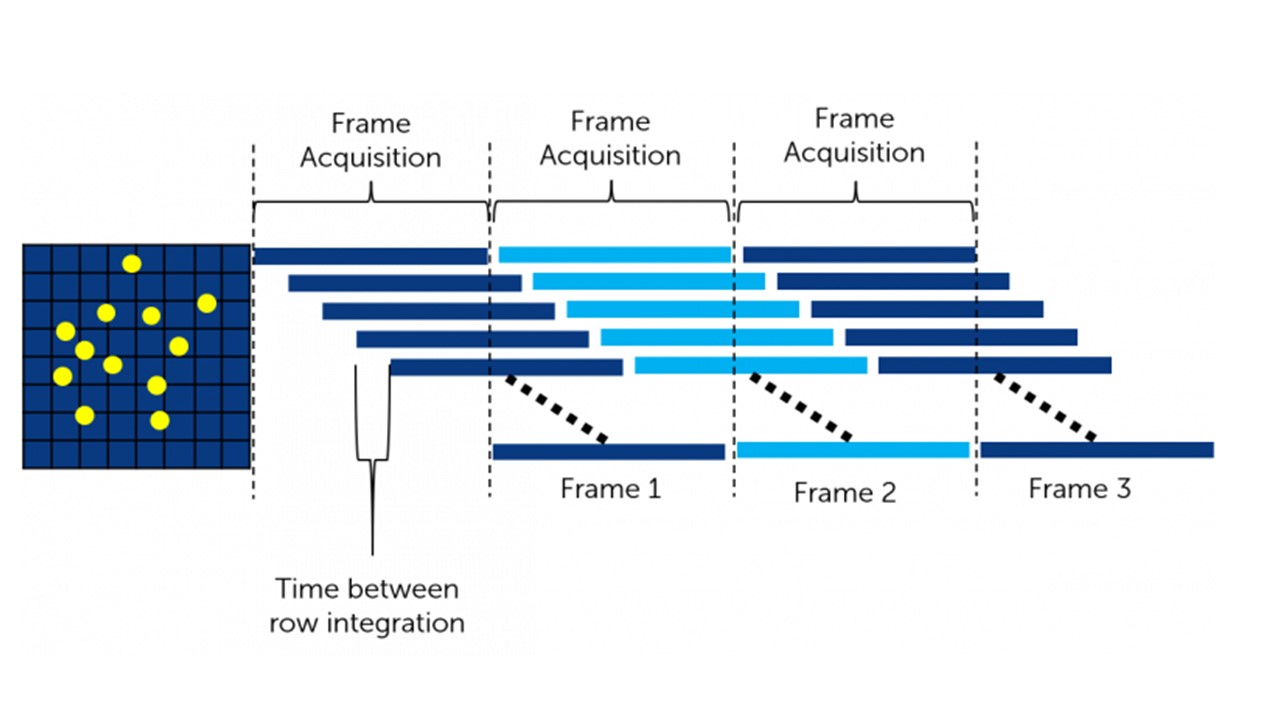
In addition to its use in facial recognition, artificial intelligence (AI) also plays a critical role in advancing object recognition. Perhaps one of key and leading-edge applications for AI is in image recognition and diagnostics in healthcare. According to a technology assessment report published by the U.S. Government Accountability Office (GAO) with content from the […]
Read article →
Among the growing number of applications for artificial intelligence (AI) is advanced imaging capabilities for reliable facial recognition. Reliability is required for effective analysis by law enforcement agencies, access to commercial or industrial complexes, travel, or even a homeowner. While AI enables complex analysis and performs it in a remarkably short timeframe, effective analysis requires […]
Read article →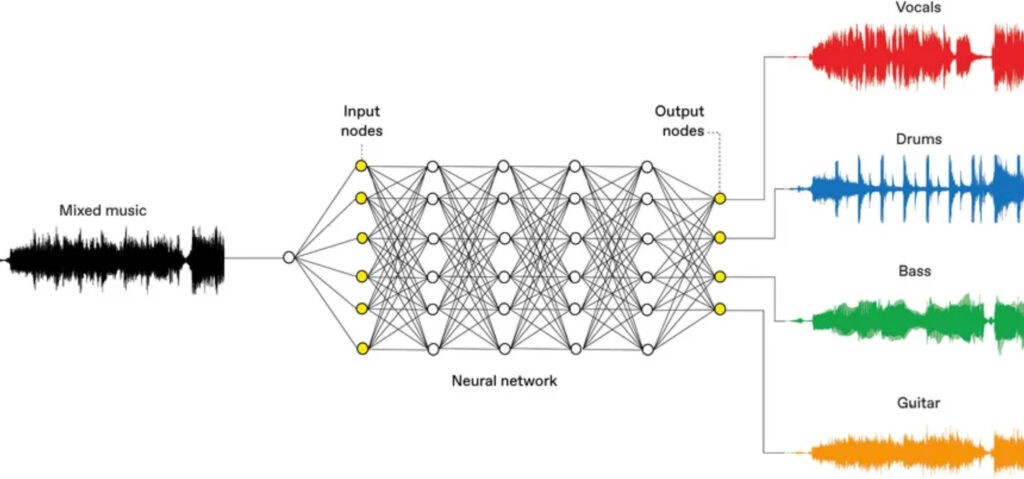
Tools like neural networks (NNs), machine learning (ML), and artificial intelligence (AI) are being applied to hard problems related to immersive audio. This FAQ will examine how NNs and ML are being used to up-mix audio tracks into their original constituent parts, how NNs are being used to produce personalized head-related transfer functions (HRTFs) and […]
Read article →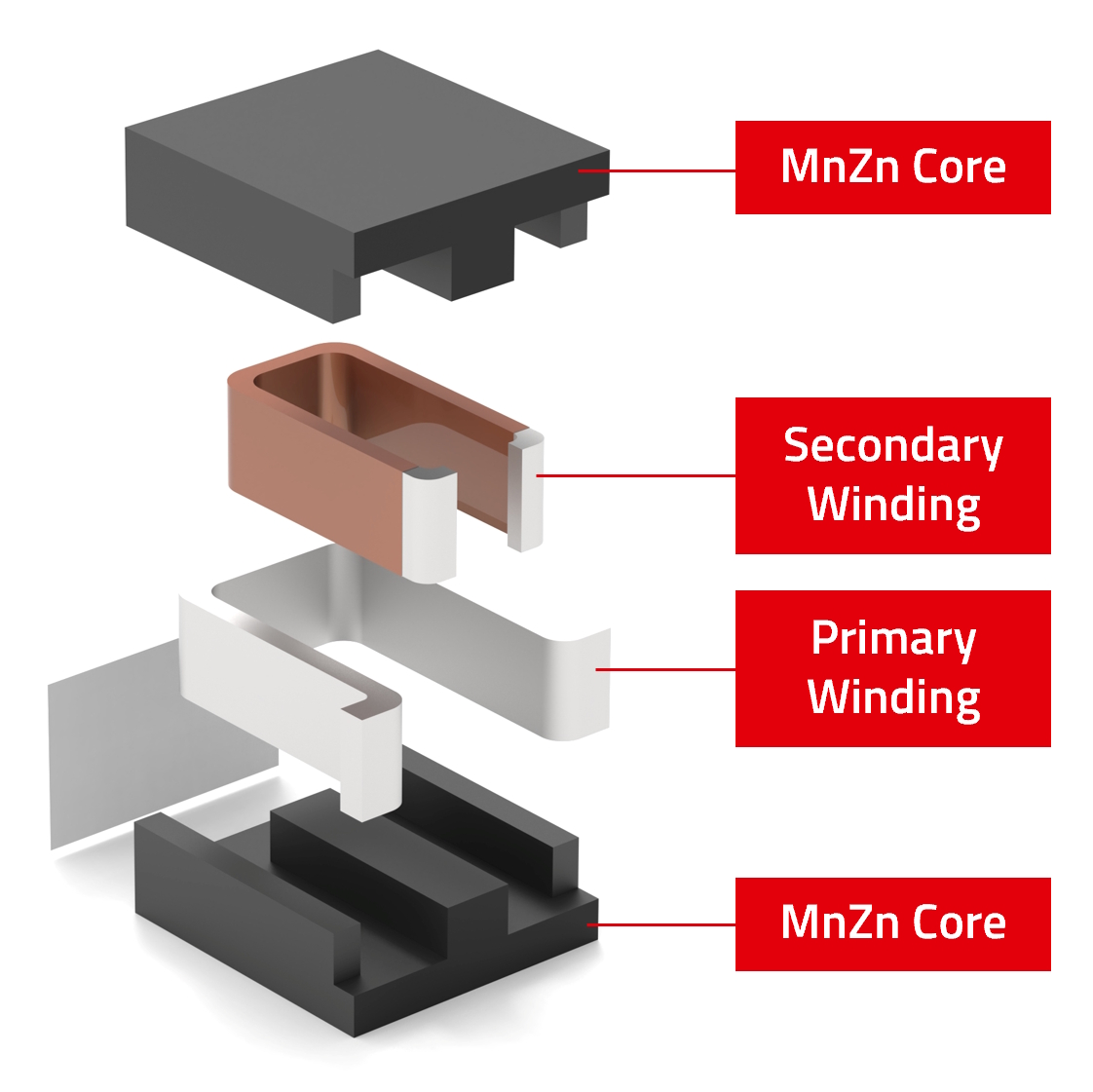
Trans inductor voltage regulators, occasionally referred to as transient load voltage regulators, (TLVRs) use coupled inductors with an additional secondary winding to create a series-connected secondary loop, allowing all phases to react simultaneously to load changes. That enables TLVRs to support the extreme power demands of GPUs in AI datacenters, and as detailed below, they […]
Read article →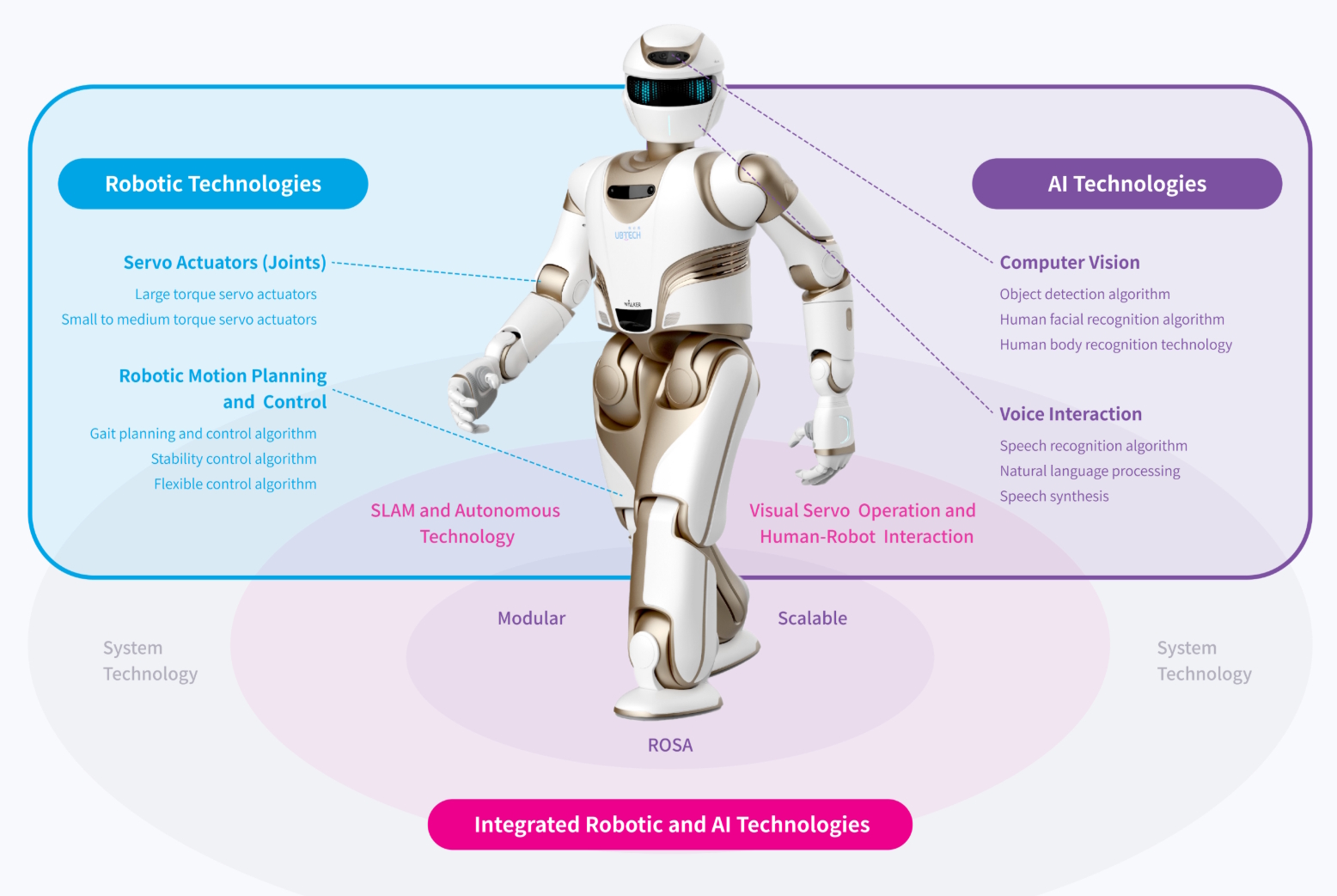
Physical artificial intelligence (PAI) development kits for humanoid robotics range from high-end, industrial-grade platforms to prosumer and educational, modular do-it-yourself (DIY) kits, Raspberry Pi-based options, and more. Some kits are suited for specific functions like walking and navigation, using AI to understand natural language, sensor fusion, power conversion, and motion control, and handling objects in […]
Read article →
Machine learning (ML) is becoming increasingly important for microcontrollers because it enables smart and autonomous decision-making in embedded systems. The many Internet of Things (IoT) applications, often called “smart devices”, only become intelligent thanks to ML. Microcontrollers are commonly used in edge computing devices where data is processed locally rather than being sent…
Read article →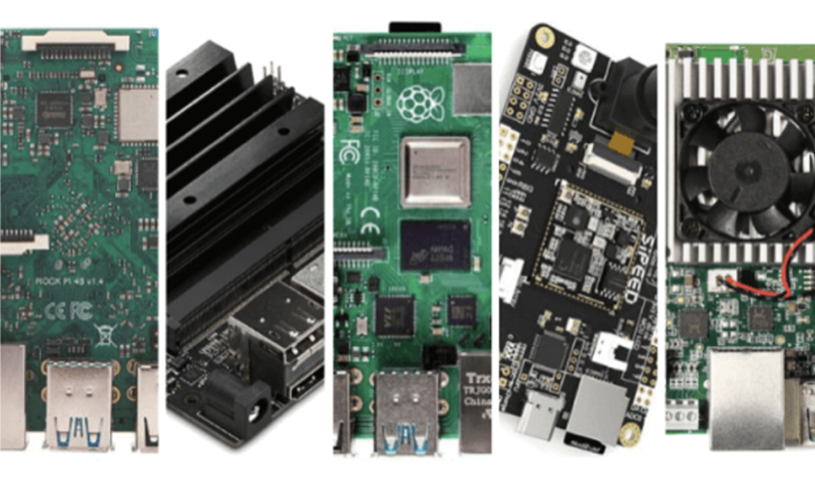
Artificial Intelligence (AI) is no longer confined to data centers. Today, AI is widely used and implemented in edge devices, smartphones, and embedded systems. This has been made possible through hardware and software acceleration methods that work together within embedded systems. It’s now feasible to run small machine-learning models on low-power, resource-constrained microcontroller units without…
Read article →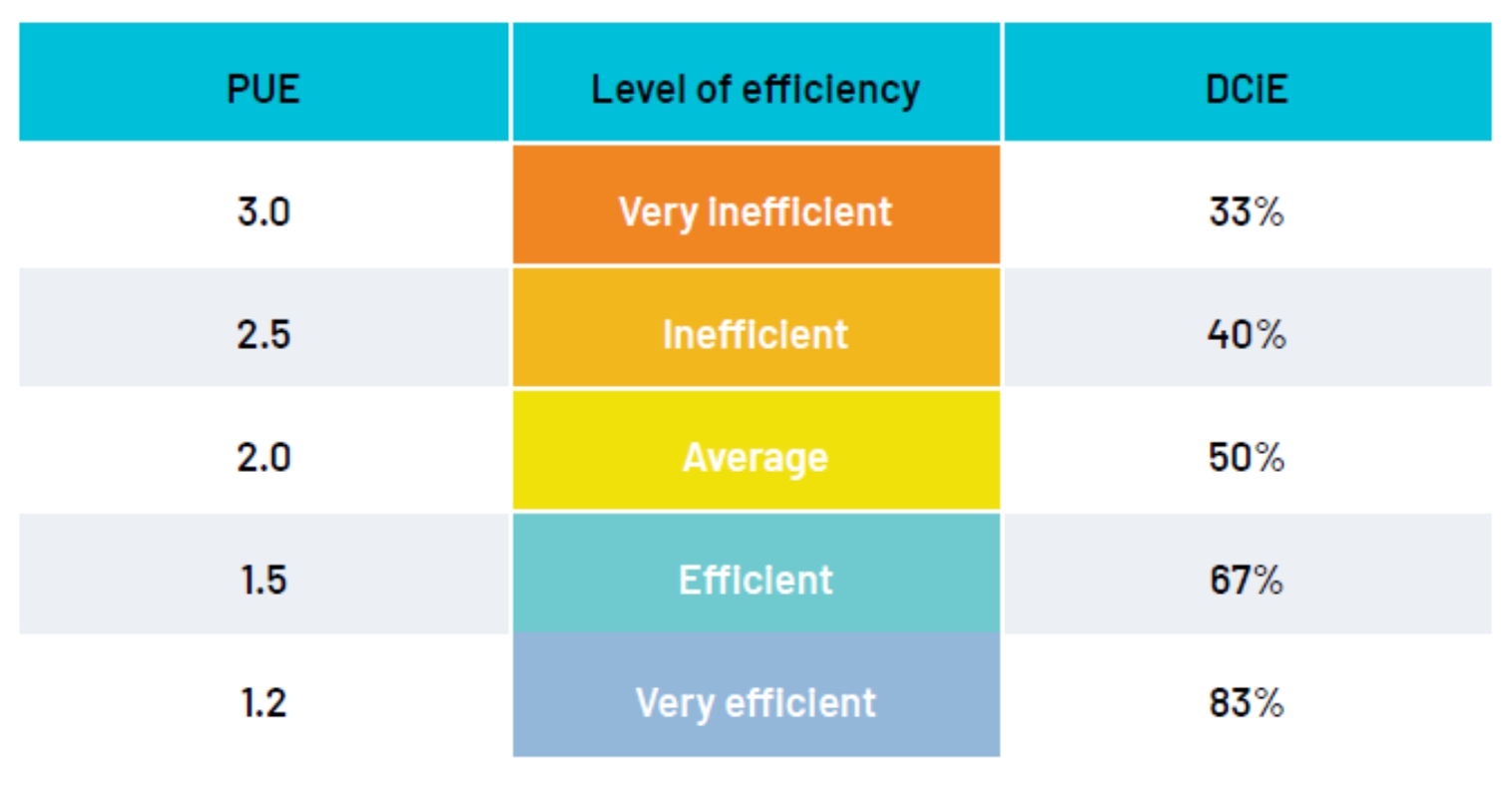
Like many aspects of artificial intelligence (AI), there’s not a single approach when calculating efficiency across the AI power chain. It depends on where you look. Are the calculations related to the facility layer, the compute and hardware layer, or the workload and algorithm layer? At the facility level, efficiency is discussed in terms of […]
Read article →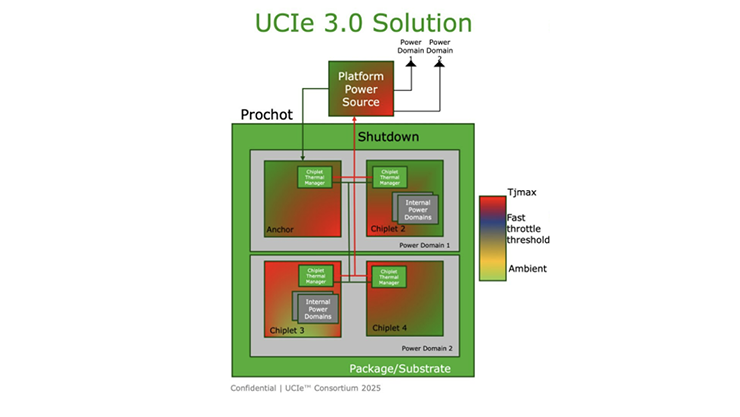
Universal Chiplet Interconnect Express (UCIe) 3.0 is focused on increased bandwidth, improved power efficiency, and enhanced system-level management for next-generation chiplet-based designs. It’s designed to support artificial intelligence and high-performance computing while maintaining backward compatibility with UCIe 2.0 and 1.0.
Read article →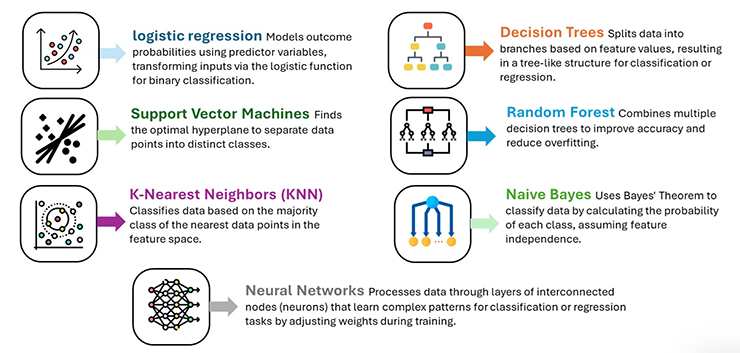
This article digs into how machine learning (ML) and artificial intelligence (AI) contribute to the optimization of green energy systems and electric vehicles (EVs). It looks at a few of the ways ML/AI enable designers to deploy dynamic models that learn from experience, and handle non-linearities and changing, complex conditions better than fixed algorithms. Part […]
Read article →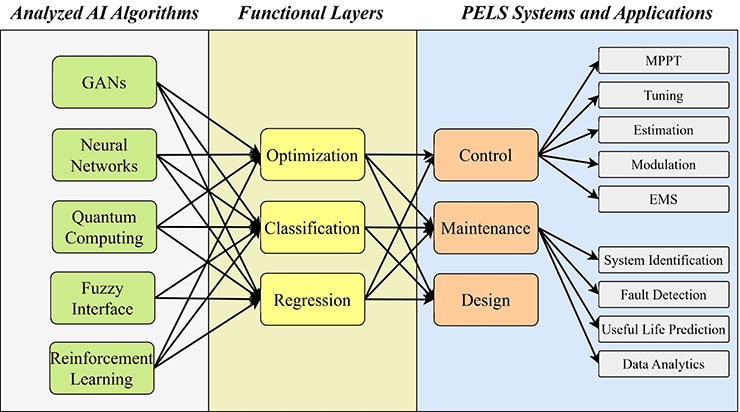
The use of machine learning (ML) and artificial intelligence (AI) in power converters represents the latest development in the field of digital power. They are being used in advanced converter control schemes, performance monitors of electrolytic capacitors to support preventative maintenance, and power management systems to improve efficiency and enhance reliability.
Read article →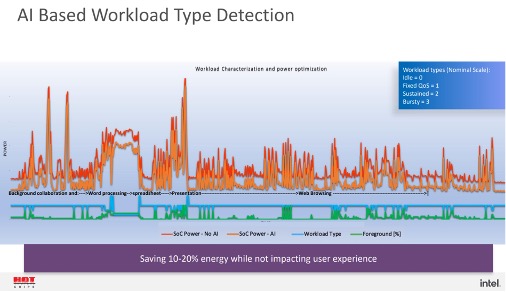
Dynamic voltage and frequency scaling (DVFS) is a common energy-saving technique used in computer processor ICs based on the quadratic relationship between power consumption and operating voltage and the linear relationship between power consumption and frequency. It reacts to changing operating demands on the processor to minimize energy consumption. The addition of artificial intelligence (AI) […]
Read article →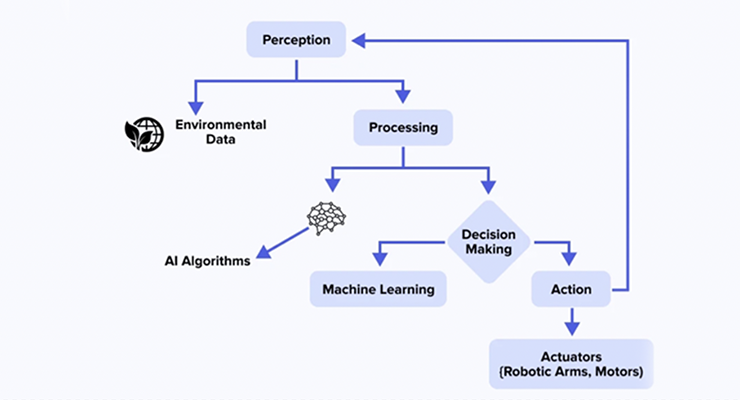
Physical artificial intelligence (PAI) is the application of AI and machine learning (ML) algorithms to enable autonomous systems to interact with the physical world. ML is an internal software technique that allows systems to learn from data, while PAI refers to the external physical implementation of that intelligence.
Read article →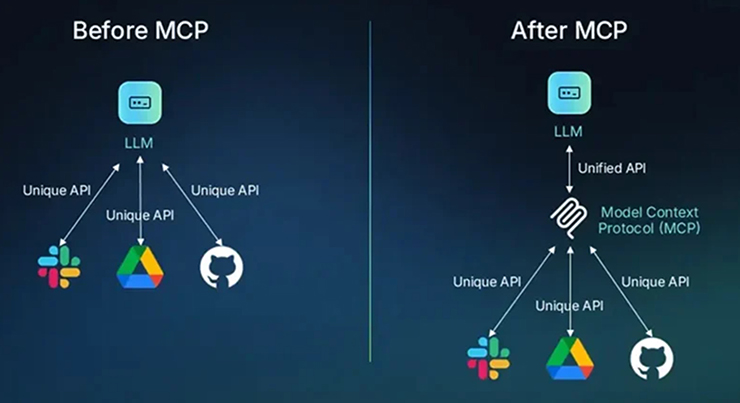
An AI agent, combined with a model context protocol (MCP), can create more contextual AI systems that can perform a wide range of tasks, from automating processes to providing insights and interacting with users. MCP helps AI agents connect to data sources, enabling them to access information, collaborate with other systems, and make decisions based on real-time data.
Read article →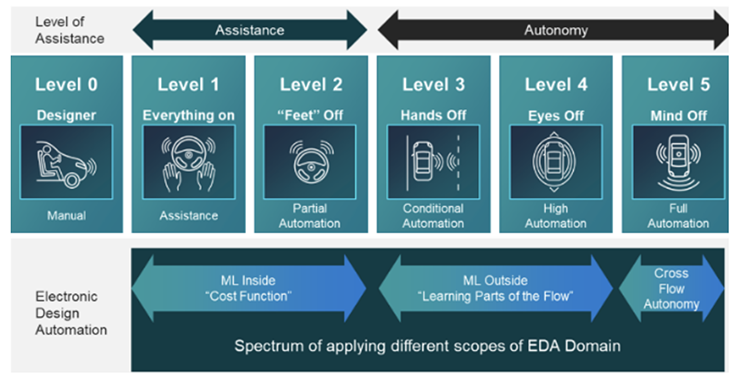
The use of AI and ML in EV EDA is not an “all or nothing” situation. Rather, it can ideally be viewed as a continuum.
Read article →
Physics AI is a powerful engineering tool based on a foundation of digital transformation.
Read article →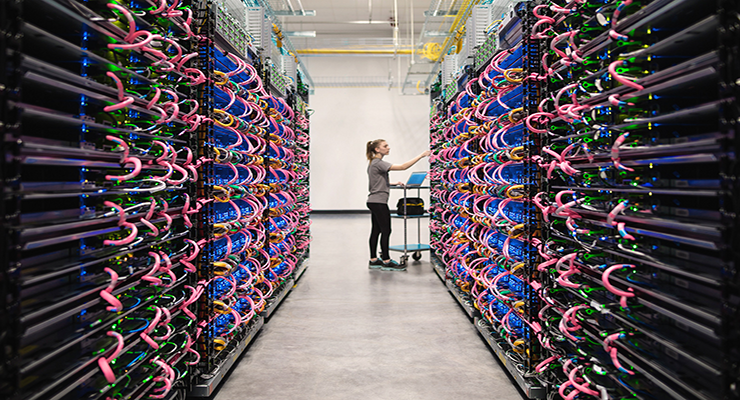
Many data centers are packed with racks of high-performance graphics processing units (GPUs) and tensor processing units (TPUs). These accelerators process massive artificial intelligence (AI) and machine learning (ML) datasets, executing complex operations in parallel and exchanging data at high speed. This article explores the interconnects and connectors that link AI accelerator clusters together.
Read article →
Artificial intelligence (AI) and machine learning (ML) applications consume significant power and generate considerable heat in data centers.
Read article →
PAI is being used for data center optimization to support the demands of digital AI (DAI) applications like training large language models (LLMs), running inference for real-time applications, and supporting infrastructure like power-hungry GPUs and memory.
Read article →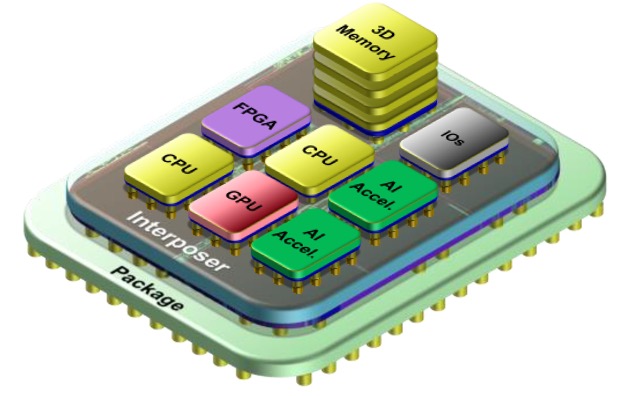
Chiplets are here, and more are coming. They can overcome the yield limitations of large ASICs, support a mix-and-match strategy for heterogeneous semiconductor IPs and multiple process nodes, improve thermal performance, and speed time to market. They are being used in a range of high-performance computing (HPC) applications, notably generative artificial intelligence (AI) and machine […]
Read article →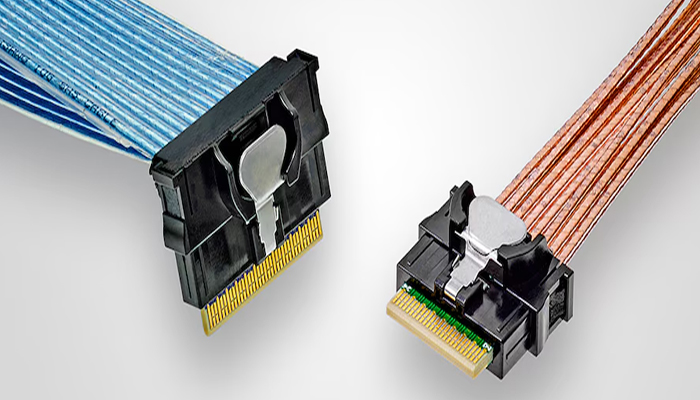
The high-performance computing platforms used for artificial intelligence (AI) and machine learning (ML) in hyperscale data centers need high-speed interconnects like 112 Gbps PAM 4 and faster inside the servers. High-speed interconnects are also required between the servers and storage devices. Twin axial (Twinax) cable assemblies are one way to address those needs. This article […]
Read article →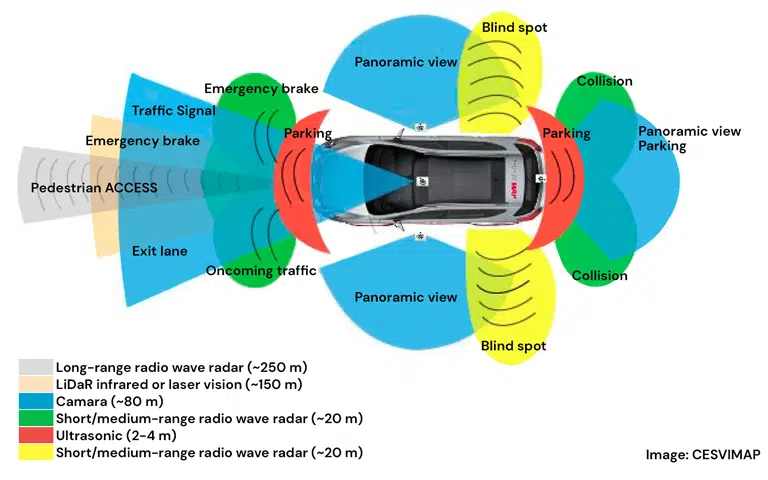
Artificial intelligence (AI) and machine learning (ML) continue to push the limits of conventional semiconductor architectures. To increase speeds, lower latency, and optimize power consumption for high-performance workloads, semiconductor companies, and research institutions are developing advanced photonic chips that operate on the principles of light rather than electrical currents.
Read article →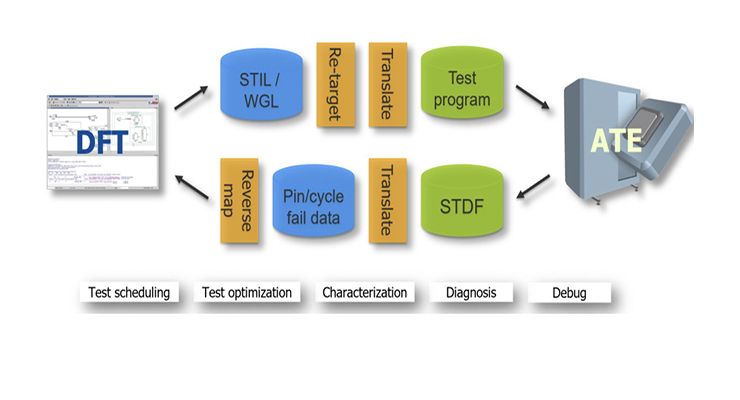
Design for testability (DFT) embeds testable features into an integrated circuit (IC) during design, while silicon bring-up initiates chip evaluation and debugging. Streamlining these sequential processes minimizes design cycles and shortens time-to-market (TTM) for advanced artificial intelligence (AI) accelerators.
Read article →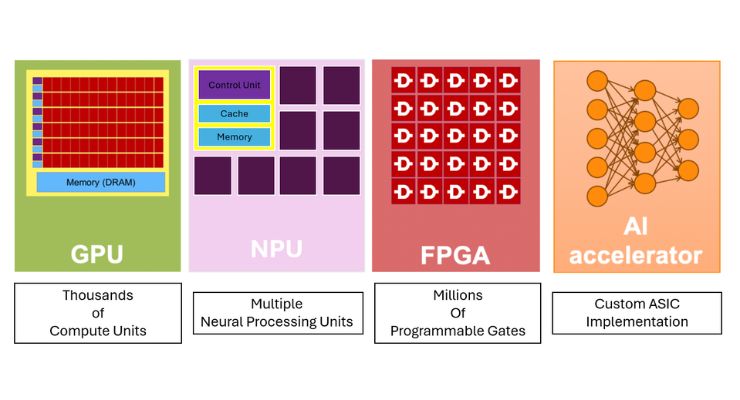
Artificial intelligence (AI) applications are spreading to more industries every day. However, the amount of energy used by these AI systems has become a significant issue. Modern deep neural networks require a considerable amount of computing power.
Read article →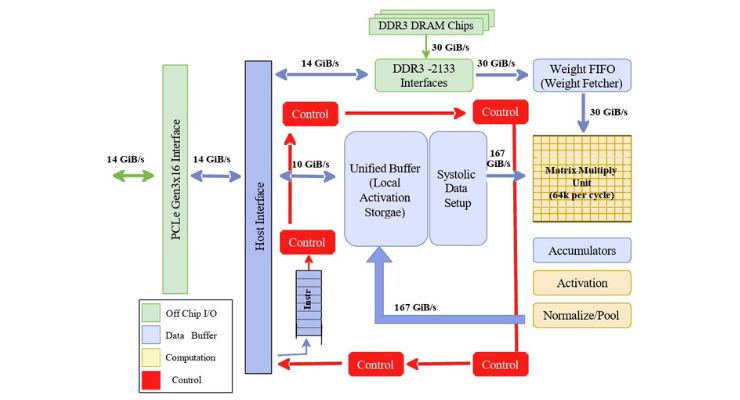
The transition from general-purpose computing to AI-specific hardware is driven by the specific computational and energy requirements of deep learning models. As these models scale to trillions of parameters, traditional architectures face the memory wall, where the energy required for data movement between memory and processing units significantly exceeds the energy consumed by the computation itself.
Read article →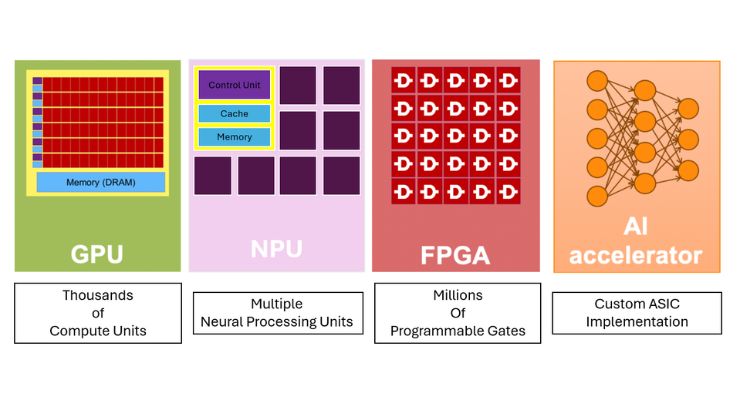
This article explains what compute-in-memory (CIM) technology is and how it works. We will examine how current implementations are already delivering significantly better efficiency improvements compared to conventional processors. We will also explore why this new approach could change AI computing.
Read article →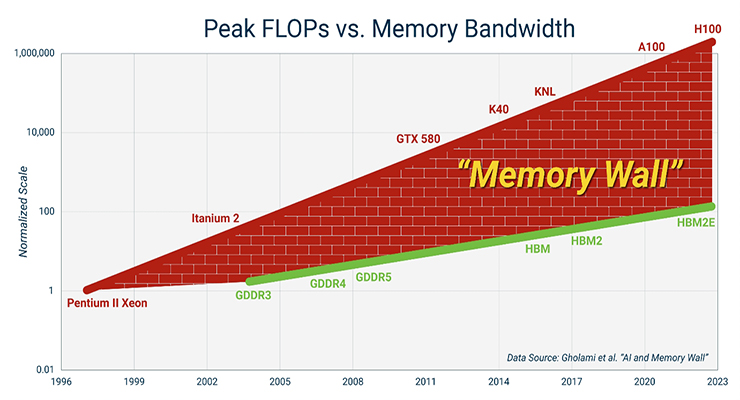
The high-performance computing (HPC) memory wall generally refers to the growing disparity between processor speed and memory bandwidth. When processor performance outpaces memory access speeds, this creates a bottleneck in overall system performance, particularly in memory-intensive applications like artificial intelligence (AI).
Read article →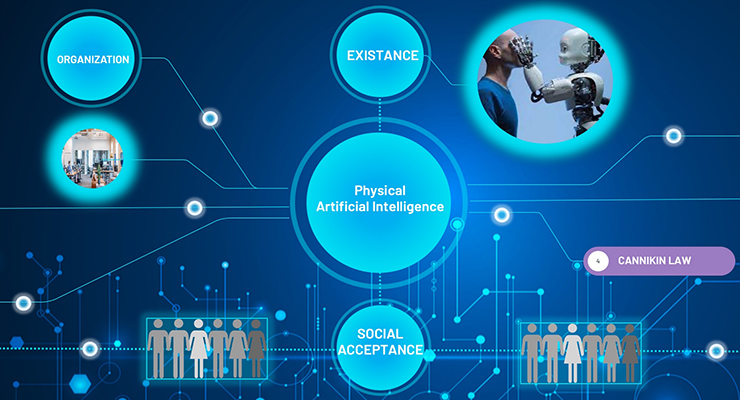
An AI governor is a framework, set of policies, or an oversight mechanism designed to ensure that the development and use of AI systems are ethical, safe, transparent, and compliant with legal and societal standards. The term can also refer to an actual piece of code or circuit (governor logic) used as a safety mechanism […]
Read article →
The IEEE Power Electronics Society (PELS) Google-Tesla MagNet Challenge is an annual competition. It’s designed to accelerate innovation in magnetic modeling using artificial intelligence (AI). This article reviews some of the highlights from the first two MagNet Challenges in 2023 and 2024. The first installment ran from February to December 2023, with the winners announced […]
Read article →
Orchestration, custom models, and strategic guidance.
Read article →
In the years leading up to his death in 1993, my father, a kind of eccentric mystic welder, journaled and wrote me philosophical little notes that I immensely treasure.
Read article →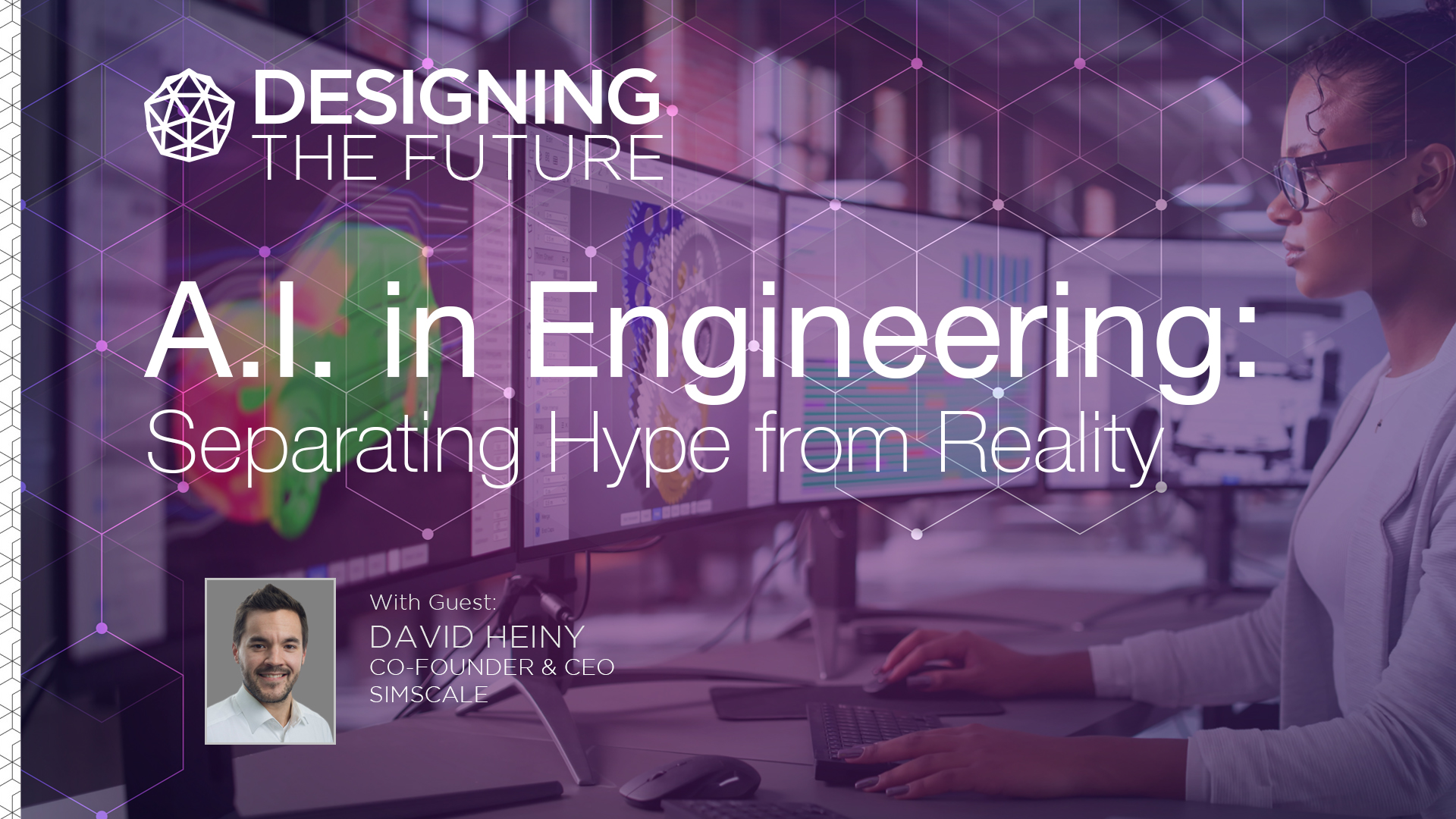
SimScale’s David Heiny on where and how AI will fundamentally change the engineering design and development process.
Read article →
At the recent Advantech Edge AI Conference in Taipei, attendees heard about plenty of positive trends for the future. Miller Chang, President of Embedded Sector, Advantech, noted that the Global EdgeAI market is estimated to grow to an incredible $196.6 billion for 2034. Hardware will lead there with AI accelerators, and software and services will…
Read article →
As AI tools rapidly make their way into classrooms and workflows, engineering educators are grappling with how to use them without losing the fundamentals. EEWorld interviewed Robert W. Heath Jr., 2025 IEEE/RSE James Clerk Maxwell Medal recipient and Charles Lee Powell Chair in Wireless Communications at the University of California, San Diego, who shares a candid perspective on where AI helps, where it hinders, and what it really means to educate and be an engineer in the age of intelligent tools.
Read article →
In this wide-ranging conversation, Andrea Goldsmith reflects on a career that has helped define modern wireless communications, from foundational work in channel capacity and adaptive modulation to shaping MIMO, AI-driven systems, and the road to 6G. One of the field’s most influential voices, and recipient of the 2025 IEEE Mildred Dresselhaus Medal for her contributions to and leadership in wireless communications theory and practice (just one of many honors in a career spanning academia, industry, and university leadership), she speaks candidly about her foundational work in the industry, the importance of diversity, and the need for boldness and collaboration in driving engineering excellence.
Read article →
Engineers often rely on AI and advanced tools to solve complex problems, but some challenges still demand lived experience and hands-on design. In this transcript from a recent Mind Over Machine Q&A interview, Design World managing editor Mike Santora talks with Todd Roberts and Owen Kent of medical technology startup ATDev, a company focused on assistive solutions born out of real-world needs. The conversation centers on the gap between what AI can optimize on a screen and what people with disabilities actually face in everyday life, especially when traveling.
Read article →
What began as a strategic response to rising compute scarcity has quickly evolved into one of the most ambitious industrial infrastructure projects in tech.
Read article →
One of the more interesting conversations I had at the recent Hannover Messe Press Preview in Germany was with Nikola Strah, Commercial Director for Classiq, a six-year-old Tel Aviv, Israel-based company with more than 100 employees. The company has a platform for programming quantum computers. Strah said that Classiq is currently the best funded quantum…
Read article →
AI that thinks versus AI that acts. Autonomously. Systemically. At scale.
Read article →
Artificial intelligence (AI) systems face a set of conflicting goals: being accurate (consuming large amounts of computational power and electrical power) and being accessible (being lower in cost, less computationally intensive, and less power-hungry). Unfortunately, many of today’s AI implementations are environmentally unsustainable. Improvements in AI energy efficiency will be driven by several factors, including […]
Read article →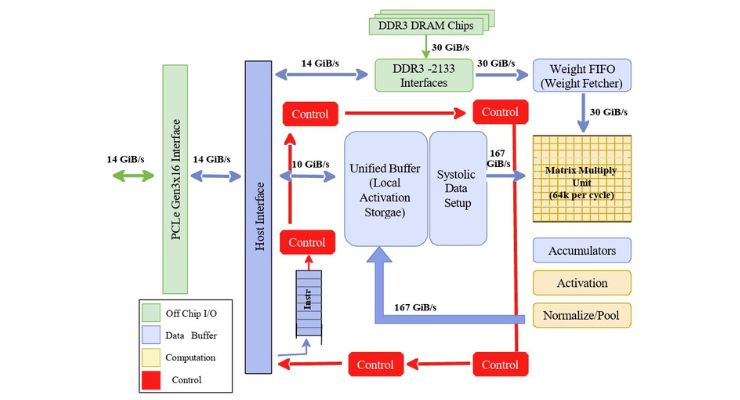
The transition from general-purpose computing to AI-specific hardware is driven by the specific computational and energy requirements of deep learning models. As these models scale to trillions of parameters, traditional architectures face the memory wall, where the energy required for data movement between memory and processing units significantly exceeds the energy consumed by the computation itself.
Read article →
AI is not the transformation; it’s the instrument revealing where transformation is needed.
Read article →
In an era where artificial intelligence is rapidly reshaping how we work, communicate, and make decisions, it’s easy to assume that nearly every challenge has a data-driven solution. But as powerful as these tools have become, there are still critical gaps, e specially when it comes to human interaction. The nuances of conversation, the unspoken signals, and the subtle disconnects between what is said and what is meant remain difficult for even the most advanced systems to fully interpret.
Read article →
Design World managing editor and Mind Over Machine host Mike Santora, interviews Todd Roberts and Owen Kent from Berkeley‑founded medical technology company ATDev. In this video, the discussion focuses on a real-world accessibility problem: air travel for people who rely on heavy power wheelchairs that cannot fit into modern airliners and are often stowed in cargo, risking damage.
Read article →
In this edition of Mind Over Machine, Design World managing editor Mike Santora sits down with Falk Gottlob of cloud-based AI language software company Smartcat to explore what truly drives meaningful innovation in an AI-saturated world.
Read article →
On this edition of Mind over Machine Design World Managing Editor Mike Santora speaks with Neural Concept founder and CEO Dr. Pierre Baque. Baque talks about some of the critical tools he’s used in his career leading up to creating Neural Concept.
Read article →
In this episode of Mind Over Machine, Mike Santora speaks with Ship & Shore Environmental President and CEO Anoosheh Oskouian about the role of human experience in engineering and manufacturing as artificial intelligence becomes more common across industries. The discussion centers on the limits of AI-driven problem solving, the importance of observation and intuition, and…
Read article →
This episode of Mind Over Machine is hosted by Mike Santora, managing editor of Design World, and features a conversation with Amanda Lucas, technical writer at Tormach, and Kimberly Upton, an industrial engineer working in supply chain. The discussion begins with introductions, as Lucas outlines her role creating and maintaining customer-facing documentation, and Upton describes…
Read article →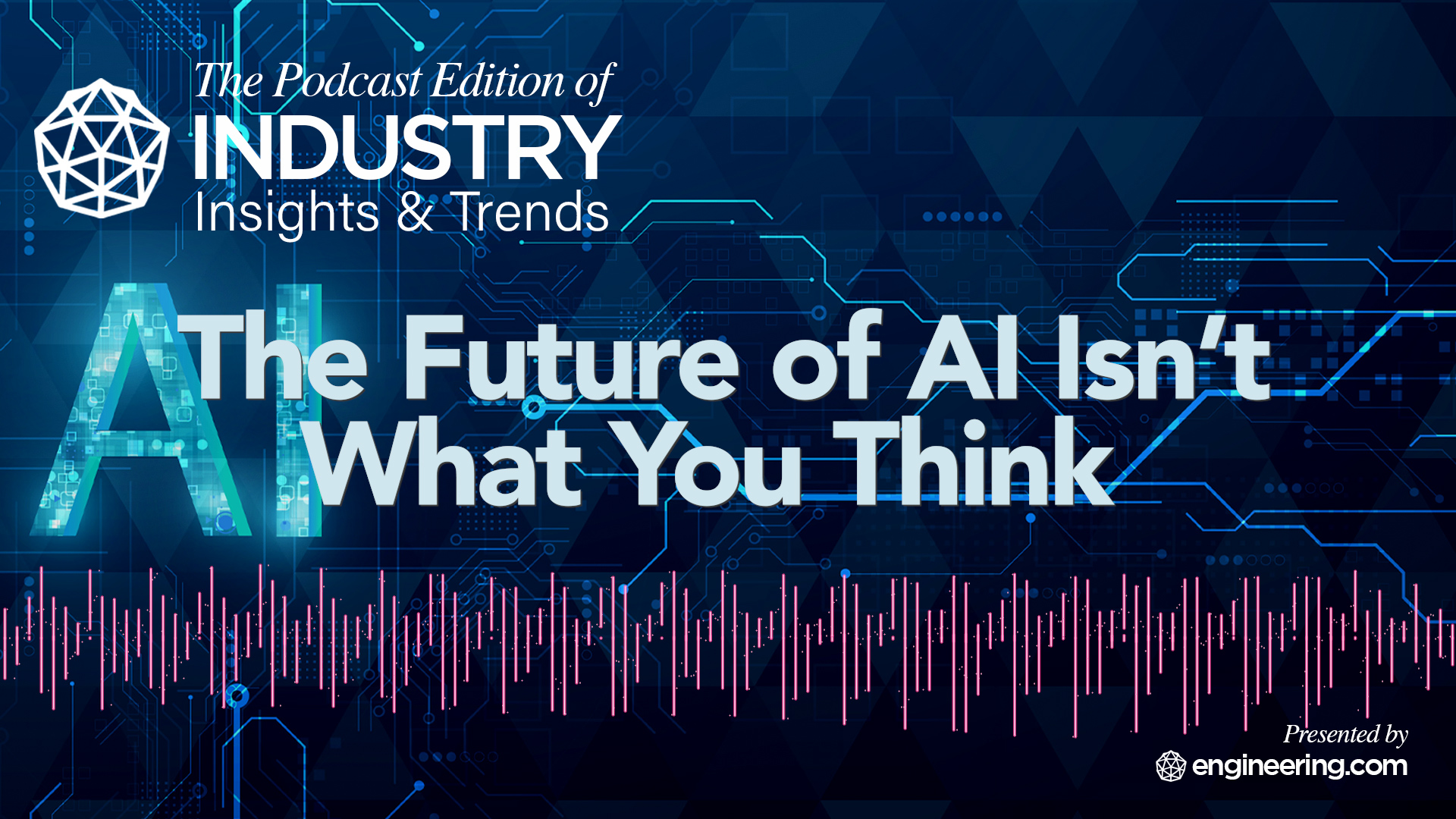
Autodesk Senior Director of AI Research Dr. Tonya Custis on the real impact of AI.
Read article →
Just a couple of years ago, most AI tools still felt experimental. Impressive enough to demo at a meeting but rarely integrated into daily workflows. Things have changed quickly. In 2026, artificial intelligence has woven itself into how we draft, code, design, research, manage teams, and communicate. The tools are no longer experimental. They’re operational.…
Read article →
In this video interview, Mike Santora, Managing Editor of Design World, sits down with Falk Gottlob of Smartcat to explore how AI-powered language orchestration is transforming global manufacturing. While translation has long been treated as a back-end task, Gottlob explains why it’s actually central to operational speed, safety, and compliance. From technical manuals and SOPs to supplier communications and product updates, multilingual content is the connective tissue of modern industrial enterprises, and too often, it’s a bottleneck.
Read article →
As supply chains grow more complex and less centralized, traditional approaches to tracking and visibility are beginning to show their limits. Fixed infrastructure, once the backbone of asset tracking within factories and warehouses, is struggling to keep pace with today’s distributed, fast-changing logistics networks. Companies now need visibility that extends beyond controlled environments…
Read article →
Battery energy storage systems (BESS) are playing an increasingly critical role in supporting renewable energy adoption, enabling excess power generated during off-peak periods to be stored and deployed when demand surges.
Read article →
Digi International Principal Engineer Kevin Johnson on manufacturing and where data will change processes.
Read article →
By Pietro Antonio Ciclese, Senior Technical Marketing Engineer, Ambarella The workloads that generate the most commercial value in edge AI scenarios run under power and thermal constraints that are, to put it mildly, very far from those found in data centers. Take, for example, a vision camera used for surveillance or inspection. These often draw […]
Read article →