Back to the News Desk

Author

Jeff Shepard

26 articles

When should you use RAG, TAG, and RAFT AI?

When should you use RAG, TAG, and RAFT AI?

Jeff Shepard May 13, 2026

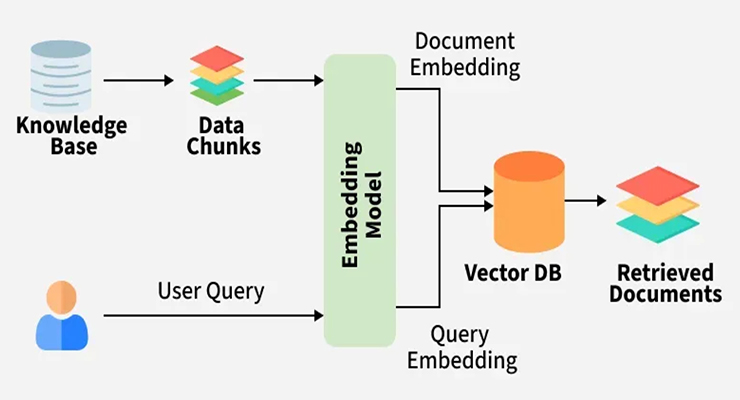
Retrieval-augmented generation (RAG) and table-augmented generation (TAG) are both techniques to improve the ability of artificial intelligence (AI) to generate accurate and relevant information by leveraging external data. Other choices include retrieval-augmented fine-tuning (RAFT) and retrieval-centric generation (RCG).

Read article →
How “green” is your Artificial Intelligence?

How “green” is your Artificial Intelligence?

Jeff Shepard June 14, 2026

Artificial intelligence (AI) systems face a set of conflicting goals: being accurate (consuming large amounts of computational power and electrical power) and being accessible (being lower in cost, less computationally intensive, and less power-hungry). Unfortunately, many of today’s AI implementations are environmentally unsustainable. Improvements in AI energy efficiency will be driven by several factors, including […]

Read article →
What’s the symbiosis between AI and solid-state transformers?

What’s the symbiosis between AI and solid-state transformers?

Jeff Shepard June 28, 2026

There’s a critical symbiosis between artificial intelligence (AI) and solid-state transformers (SSTs), especially in hyperscale data centers, green energy systems, and electric vehicle (EV) infrastructure. Those applications increasingly rely on SSTs to maximize efficiency, and SSTs use AI to monitor, manage, and optimize complex grid dynamics and power conversion. Individual AI computing clusters in hyperscale […]

Read article →
OpenClaw is open-source edge AI for (almost) every application

OpenClaw is open-source edge AI for (almost) every application

Jeff Shepard June 29, 2026

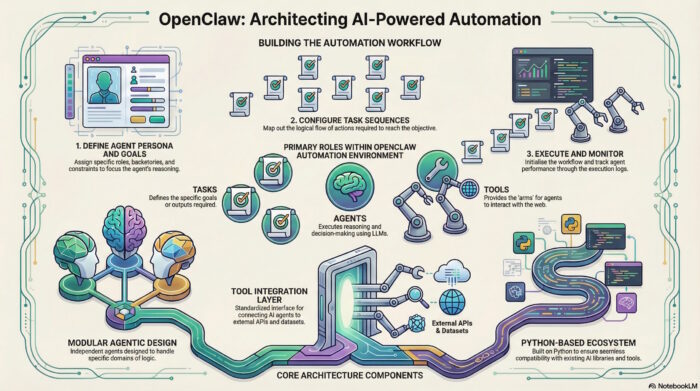
OpenClaw is being touted as the “operating system for personal AI.” It’s being supported by a wide array of companies, including NVIDIA. Target applications range from generative and agentic AI in consumer devices like smartphones, edge applications like medical devices, and physical AI (PAI) in robotics. Formerly called Clawdbot, OpenClaw is designed to fill a […]

Read article →
RISC-V for artificial intelligence, machine learning, and embedded systems

RISC-V for artificial intelligence, machine learning, and embedded systems

Jeff Shepard June 19, 2026

Several RISC-V development efforts are targeting applications such as artificial intelligence (AI), machine learning (ML), deep learning (DL), and other high-performance embedded applications. The previous two FAQs in this series considered the capabilities of RISC-V and the near-term risks associated with the technology, and the growing availability of tools that are helping to reduce the […]

Read article →
How does artificial intelligence relate to immersive audio?

How does artificial intelligence relate to immersive audio?

Jeff Shepard June 17, 2026

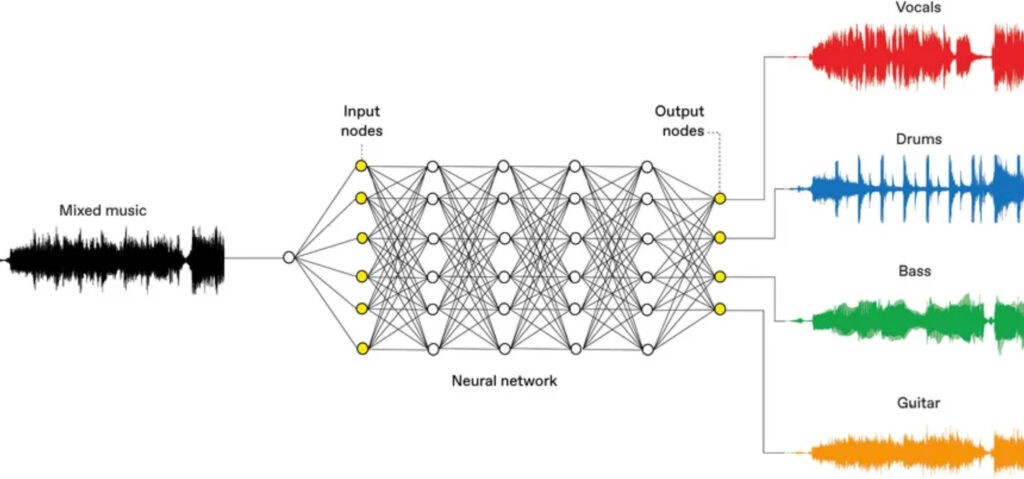
Tools like neural networks (NNs), machine learning (ML), and artificial intelligence (AI) are being applied to hard problems related to immersive audio. This FAQ will examine how NNs and ML are being used to up-mix audio tracks into their original constituent parts, how NNs are being used to produce personalized head-related transfer functions (HRTFs) and […]

Read article →
How TLVRs support extreme power demands in AI datacenters

How TLVRs support extreme power demands in AI datacenters

Jeff Shepard June 26, 2026

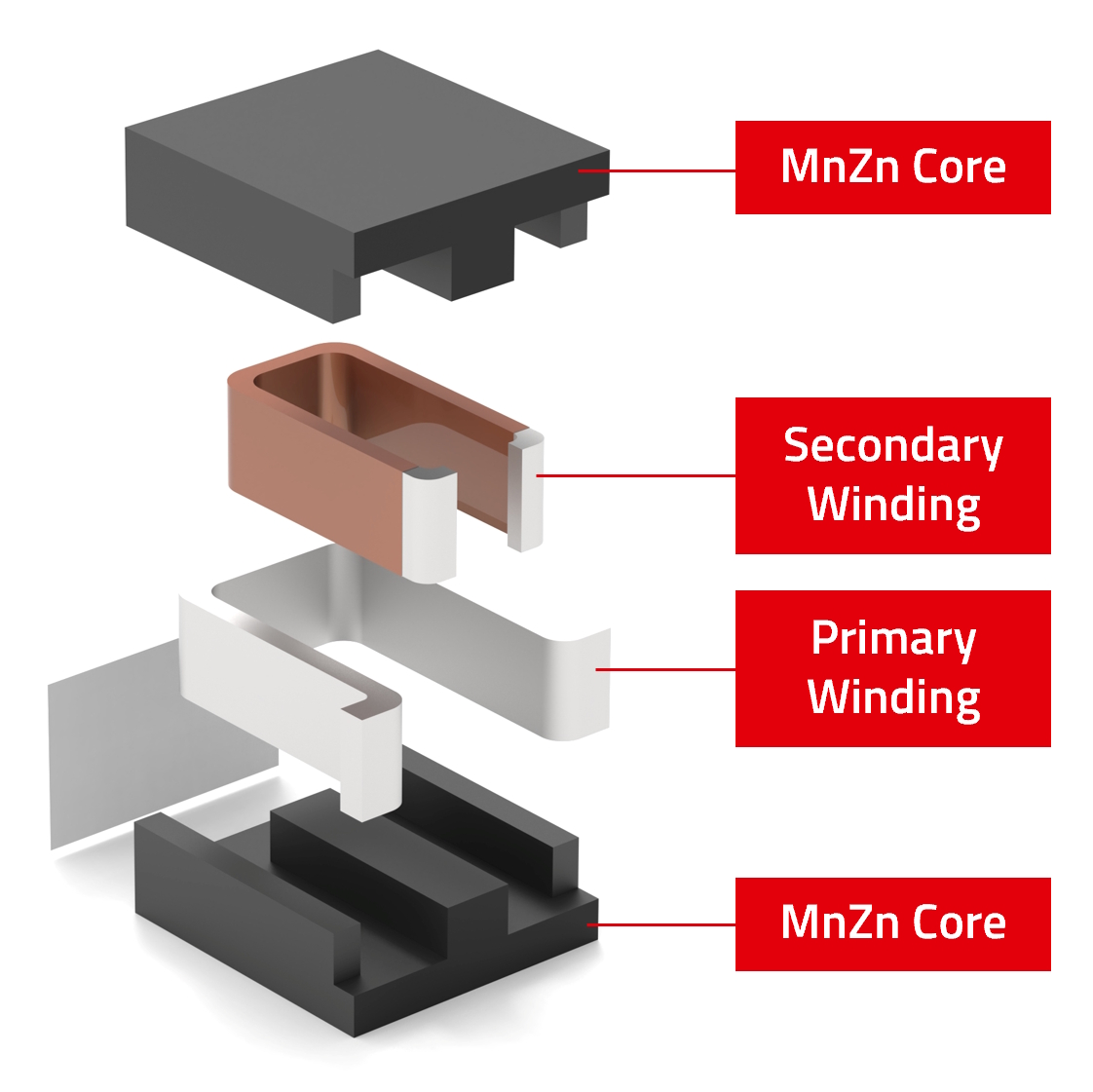
Trans inductor voltage regulators, occasionally referred to as transient load voltage regulators, (TLVRs) use coupled inductors with an additional secondary winding to create a series-connected secondary loop, allowing all phases to react simultaneously to load changes. That enables TLVRs to support the extreme power demands of GPUs in AI datacenters, and as detailed below, they […]

Read article →
What kinds of PAI dev kits are available for humanoid robotics?

What kinds of PAI dev kits are available for humanoid robotics?

Jeff Shepard June 17, 2026

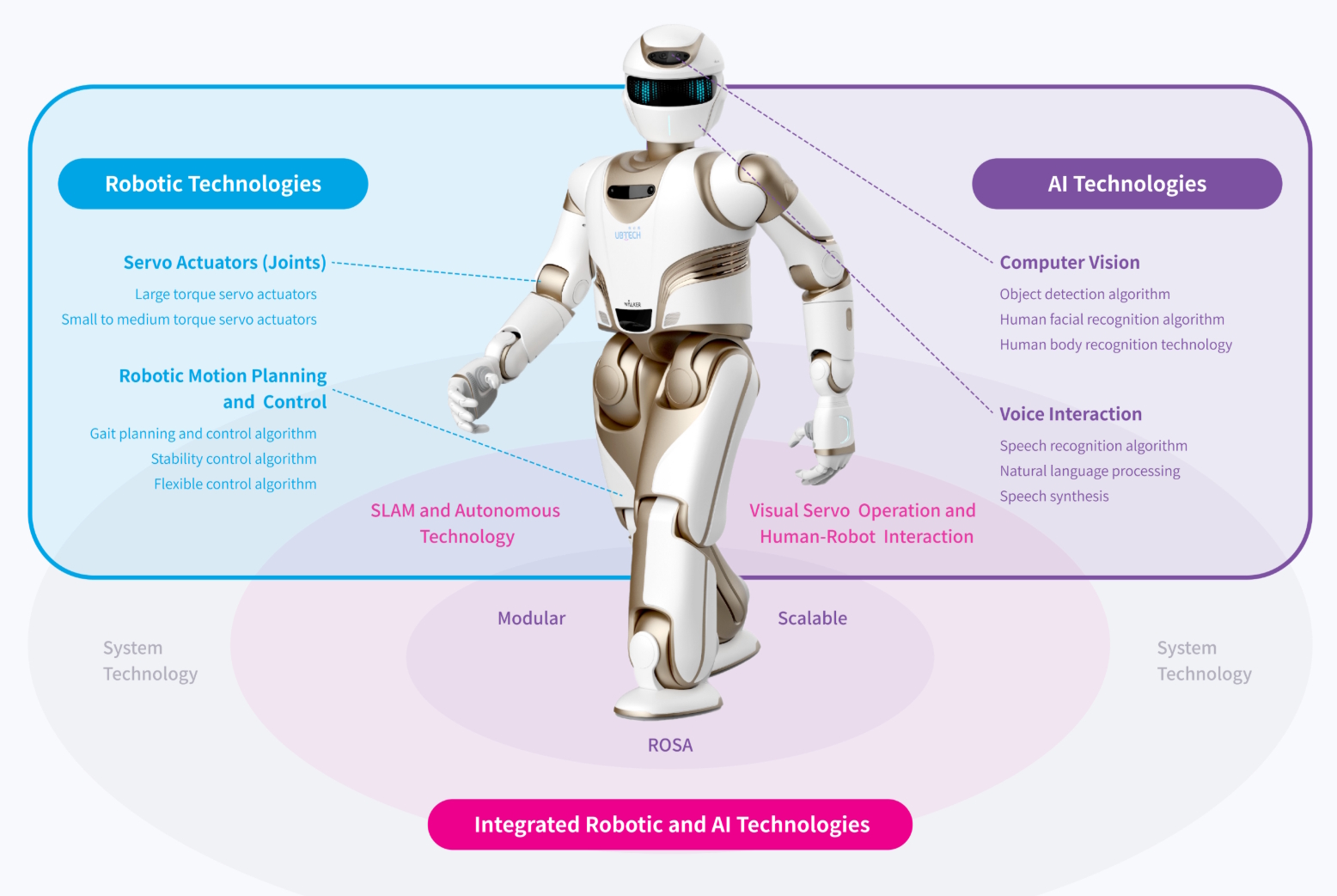
Physical artificial intelligence (PAI) development kits for humanoid robotics range from high-end, industrial-grade platforms to prosumer and educational, modular do-it-yourself (DIY) kits, Raspberry Pi-based options, and more. Some kits are suited for specific functions like walking and navigation, using AI to understand natural language, sensor fusion, power conversion, and motion control, and handling objects in […]

Read article →
What are the applications of physical artificial intelligence?

What are the applications of physical artificial intelligence?

Jeff Shepard May 12, 2026

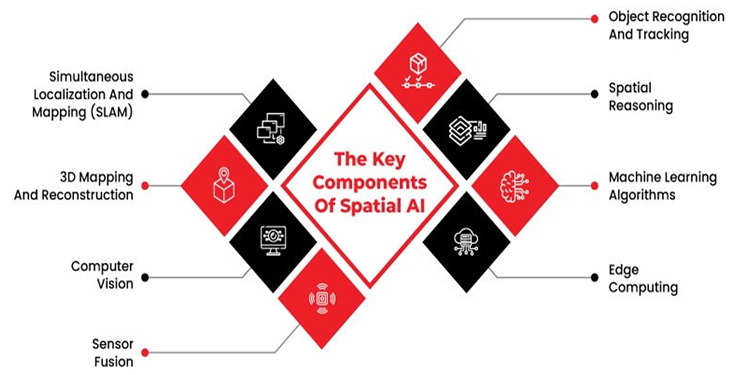
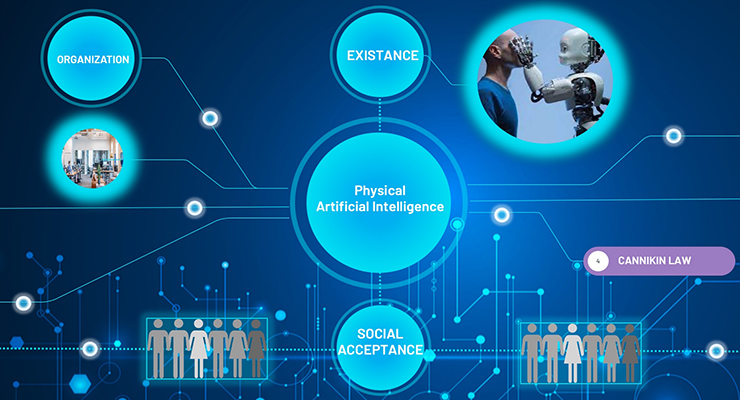
Physical artificial intelligence (PAI) enables machines to perceive, reason, and act within the real world, bridging the gap between digital AI (DAI), sometimes called virtual AI, and physical action. PAI often leverages spatial artificial intelligence (SAI) technology. PAI applications span numerous industries, from basic automation to autonomous vehicles and complex surgical procedures. PAI applications represent […]

Read article →
How to calculate efficiency across the AI power chain

How to calculate efficiency across the AI power chain

Jeff Shepard June 27, 2026

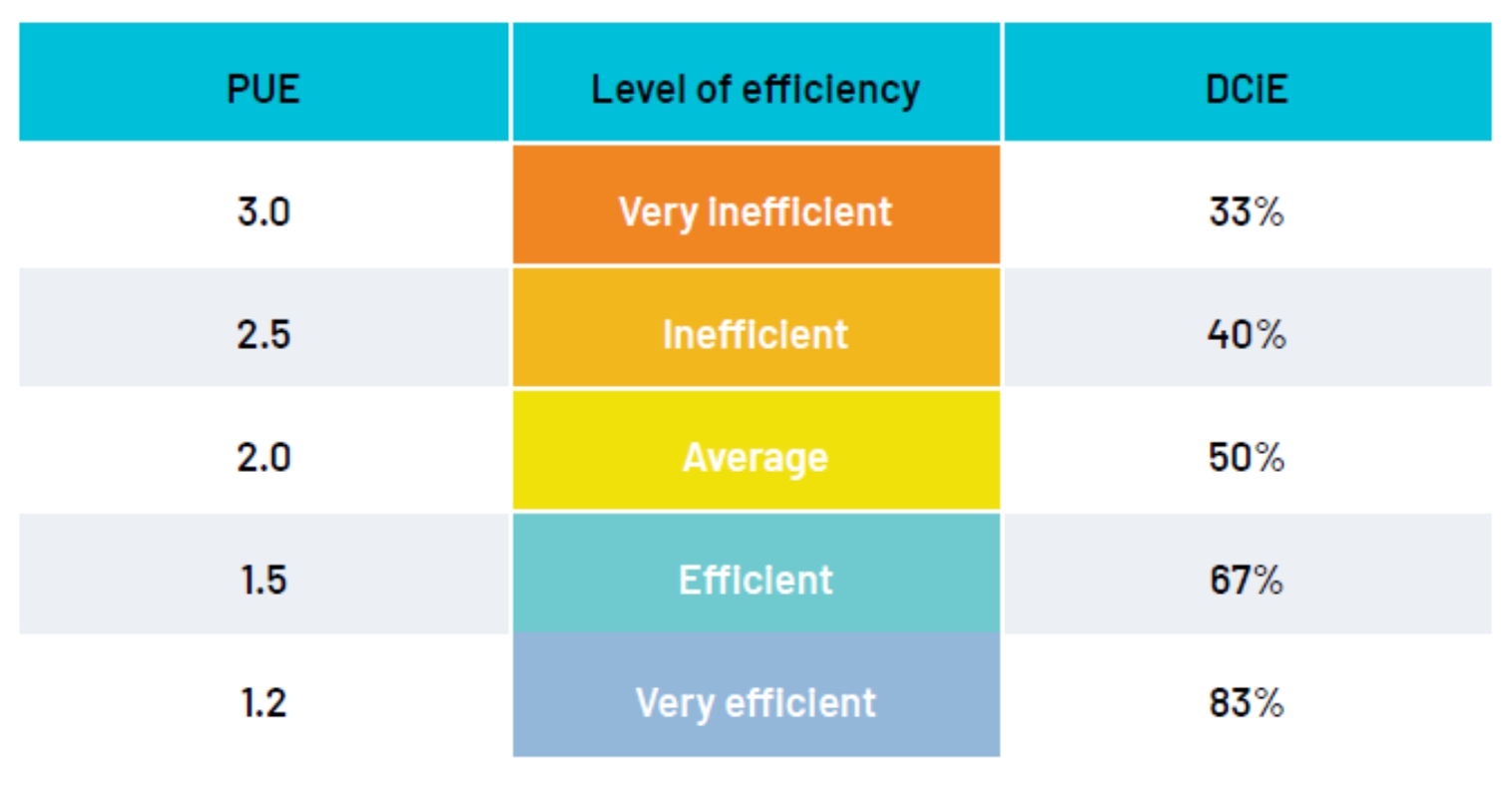
Like many aspects of artificial intelligence (AI), there’s not a single approach when calculating efficiency across the AI power chain. It depends on where you look. Are the calculations related to the facility layer, the compute and hardware layer, or the workload and algorithm layer? At the facility level, efficiency is discussed in terms of […]

Read article →
How does the open domain-specific architecture relate to chiplets and generative AI?

How does the open domain-specific architecture relate to chiplets and generative AI?

Jeff Shepard June 17, 2026

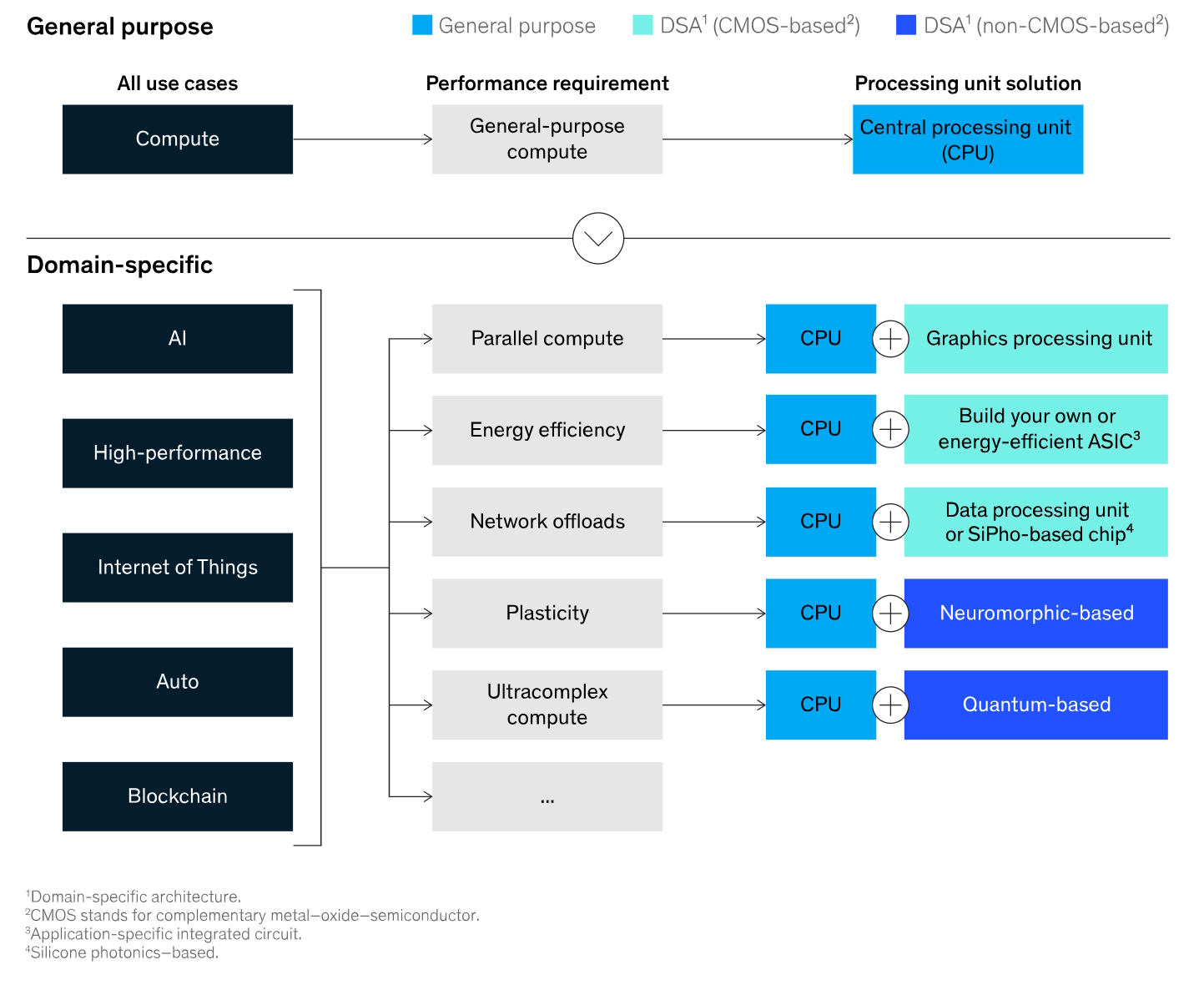
The Open Domain-Specific Architecture (ODSA) is a project within the Open Compute Project (OCP) community to establish open physical and logical die-to-die (D2D) interfaces for chiplets. The goal is to democratize the design and use of chiplets for domain-specific high-performance computing (HPC) applications like generative artificial intelligence (AI). Domain-specific architectures (DSAs) are an emerging approach […]

Read article →
What is new in UCIe 3.0?

What is new in UCIe 3.0?

Jeff Shepard June 4, 2026

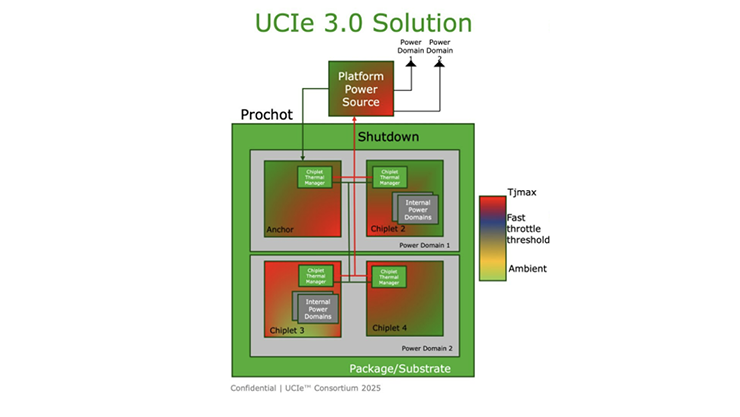
Universal Chiplet Interconnect Express (UCIe) 3.0 is focused on increased bandwidth, improved power efficiency, and enhanced system-level management for next-generation chiplet-based designs. It’s designed to support artificial intelligence and high-performance computing while maintaining backward compatibility with UCIe 2.0 and 1.0.

Read article →
How ML and AI work in power conversion: part 2

How ML and AI work in power conversion: part 2

Jeff Shepard May 28, 2026

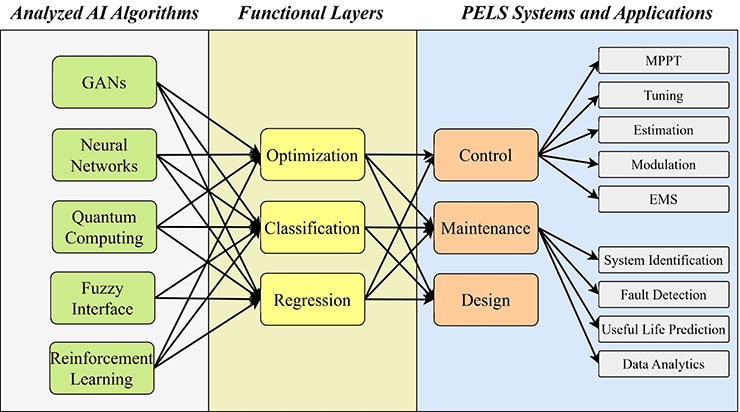
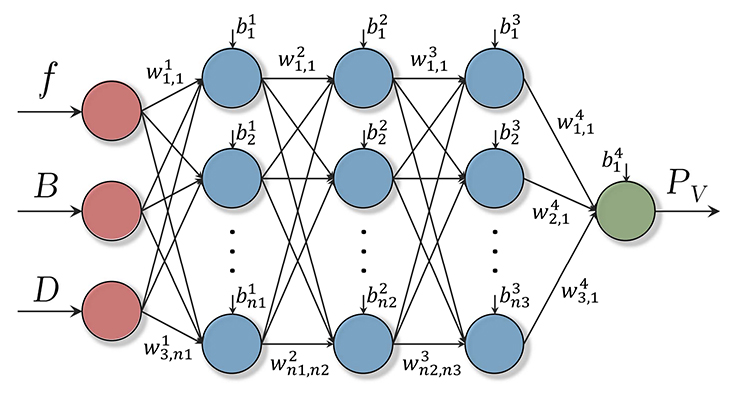
This article digs into how machine learning (ML) and artificial intelligence (AI) contribute to the optimization of green energy systems and electric vehicles (EVs). It looks at a few of the ways ML/AI enable designers to deploy dynamic models that learn from experience, and handle non-linearities and changing, complex conditions better than fixed algorithms. Part […]

Read article →

How do ML and AI work in power conversion? part 1

How do ML and AI work in power conversion? part 1

Jeff Shepard May 28, 2026

The use of machine learning (ML) and artificial intelligence (AI) in power converters represents the latest development in the field of digital power. They are being used in advanced converter control schemes, performance monitors of electrolytic capacitors to support preventative maintenance, and power management systems to improve efficiency and enhance reliability.

Read article →

How can AI enhance DVFS in processor power management?

How can AI enhance DVFS in processor power management?

Jeff Shepard May 28, 2026

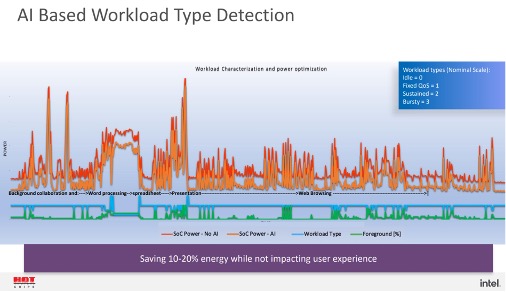
Dynamic voltage and frequency scaling (DVFS) is a common energy-saving technique used in computer processor ICs based on the quadratic relationship between power consumption and operating voltage and the linear relationship between power consumption and frequency. It reacts to changing operating demands on the processor to minimize energy consumption. The addition of artificial intelligence (AI) […]

Read article →

How do AI agents and model context protocol work together?

How do AI agents and model context protocol work together?

Jeff Shepard May 13, 2026

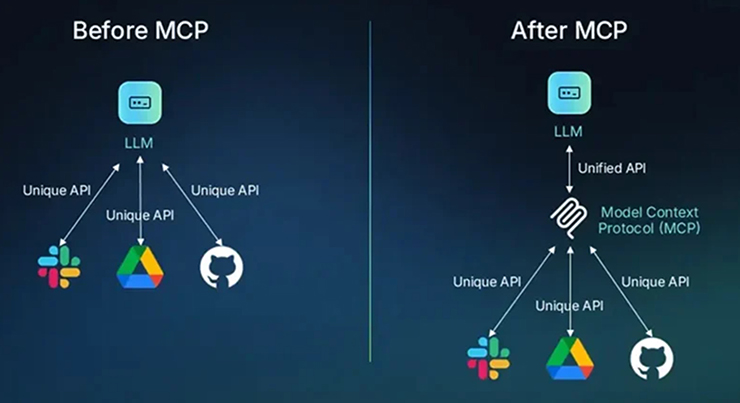
An AI agent, combined with a model context protocol (MCP), can create more contextual AI systems that can perform a wide range of tasks, from automating processes to providing insights and interacting with users. MCP helps AI agents connect to data sources, enabling them to access information, collaborate with other systems, and make decisions based on real-time data.

Read article →

How do heterogeneous integration and chiplets support generative AI?

How do heterogeneous integration and chiplets support generative AI?

Jeff Shepard June 17, 2026

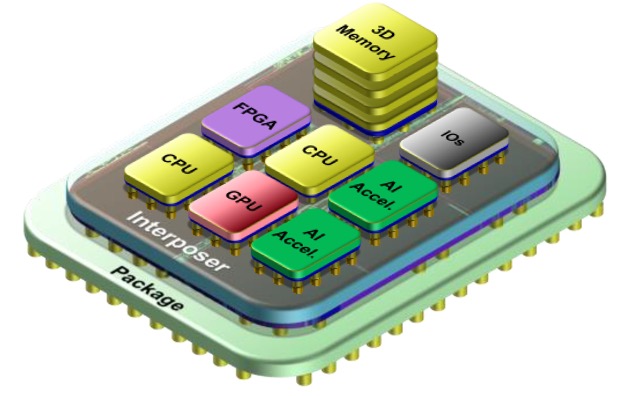
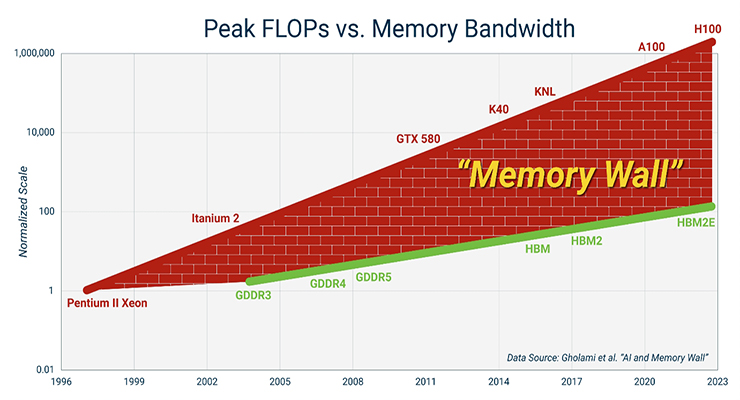
Chiplets are here, and more are coming. They can overcome the yield limitations of large ASICs, support a mix-and-match strategy for heterogeneous semiconductor IPs and multiple process nodes, improve thermal performance, and speed time to market. They are being used in a range of high-performance computing (HPC) applications, notably generative artificial intelligence (AI) and machine […]

Read article →

How twin axial cable assemblies support high-performance computing for AI/ML systems

How twin axial cable assemblies support high-performance computing for AI/ML systems

Jeff Shepard June 17, 2026

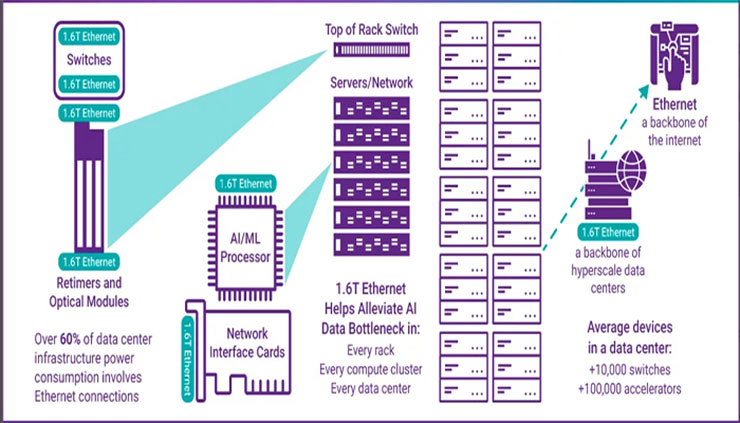
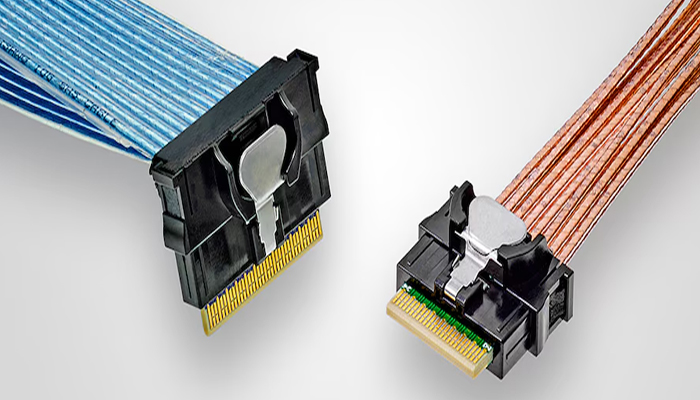
The high-performance computing platforms used for artificial intelligence (AI) and machine learning (ML) in hyperscale data centers need high-speed interconnects like 112 Gbps PAM 4 and faster inside the servers. High-speed interconnects are also required between the servers and storage devices. Twin axial (Twinax) cable assemblies are one way to address those needs. This article […]

Read article →

How does the IEEE MagNet Challenge use AI for power magnetics modeling?

How does the IEEE MagNet Challenge use AI for power magnetics modeling?

Jeff Shepard March 27, 2026

The IEEE Power Electronics Society (PELS) Google-Tesla MagNet Challenge is an annual competition. It’s designed to accelerate innovation in magnetic modeling using artificial intelligence (AI). This article reviews some of the highlights from the first two MagNet Challenges in 2023 and 2024. The first installment ran from February to December 2023, with the winners announced […]

Read article →

Engineering.comDesign WorldR&D WorldThe Robot ReportEE WorldFluid Power WorldMedical Design & Outsourcing
Drug Discovery & DevelopmentPharmaceutical Processing WorldPlant EngineeringConsulting-Specifying EngineerControl EngineeringSolar Power World