
AI for smart waste management?
Redding Traiger May 29, 2026
Smart waste management is one of the core tasks within smart cities, i.e. those urban areas in which innovative technologies and data-driven solutions are used.
Read article →
Smart waste management is one of the core tasks within smart cities, i.e. those urban areas in which innovative technologies and data-driven solutions are used.
Read article →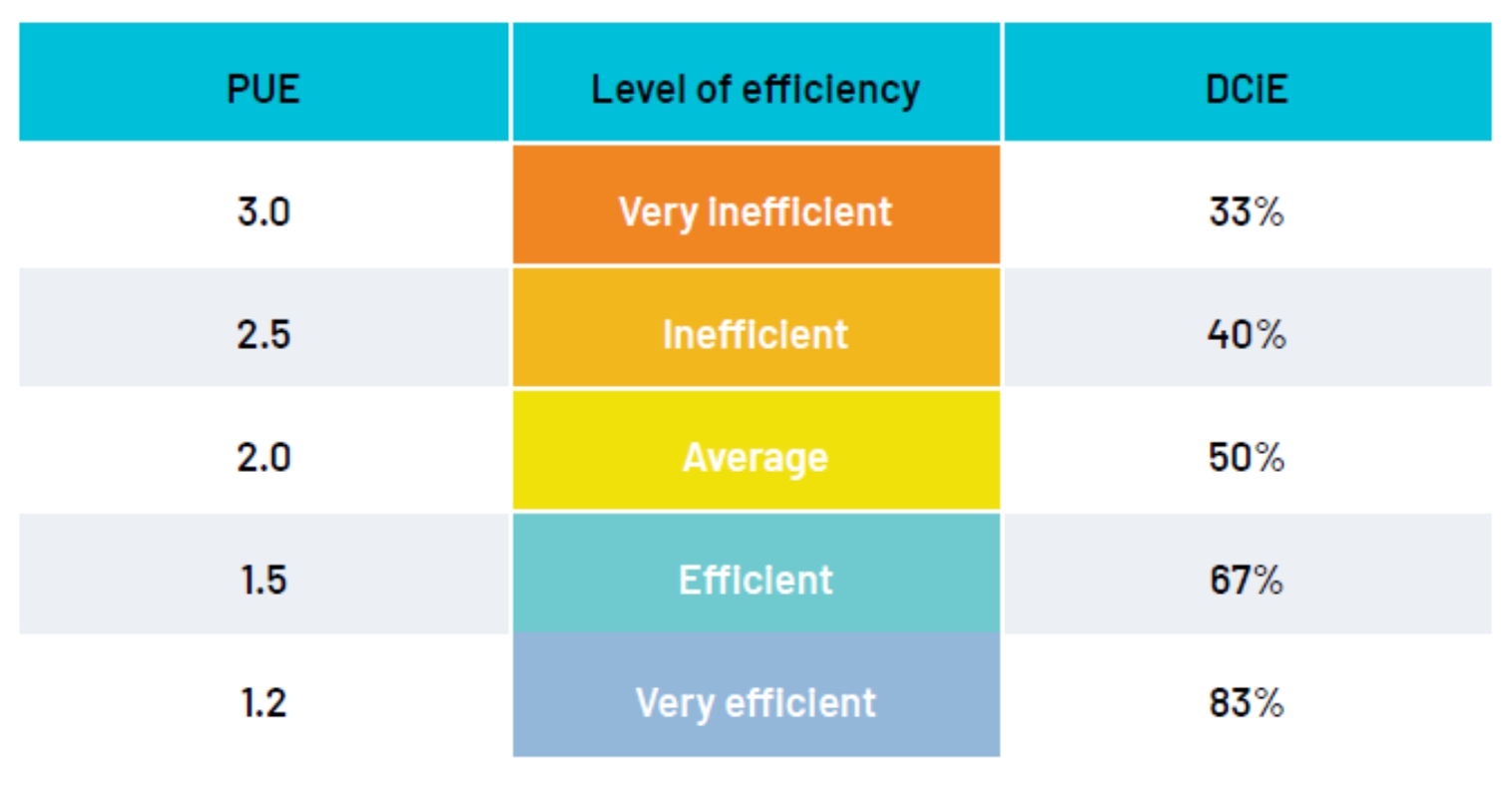
Like many aspects of artificial intelligence (AI), there’s not a single approach when calculating efficiency across the AI power chain. It depends on where you look. Are the calculations related to the facility layer, the compute and hardware layer, or the workload and algorithm layer? At the facility level, efficiency is discussed in terms of […]
Read article →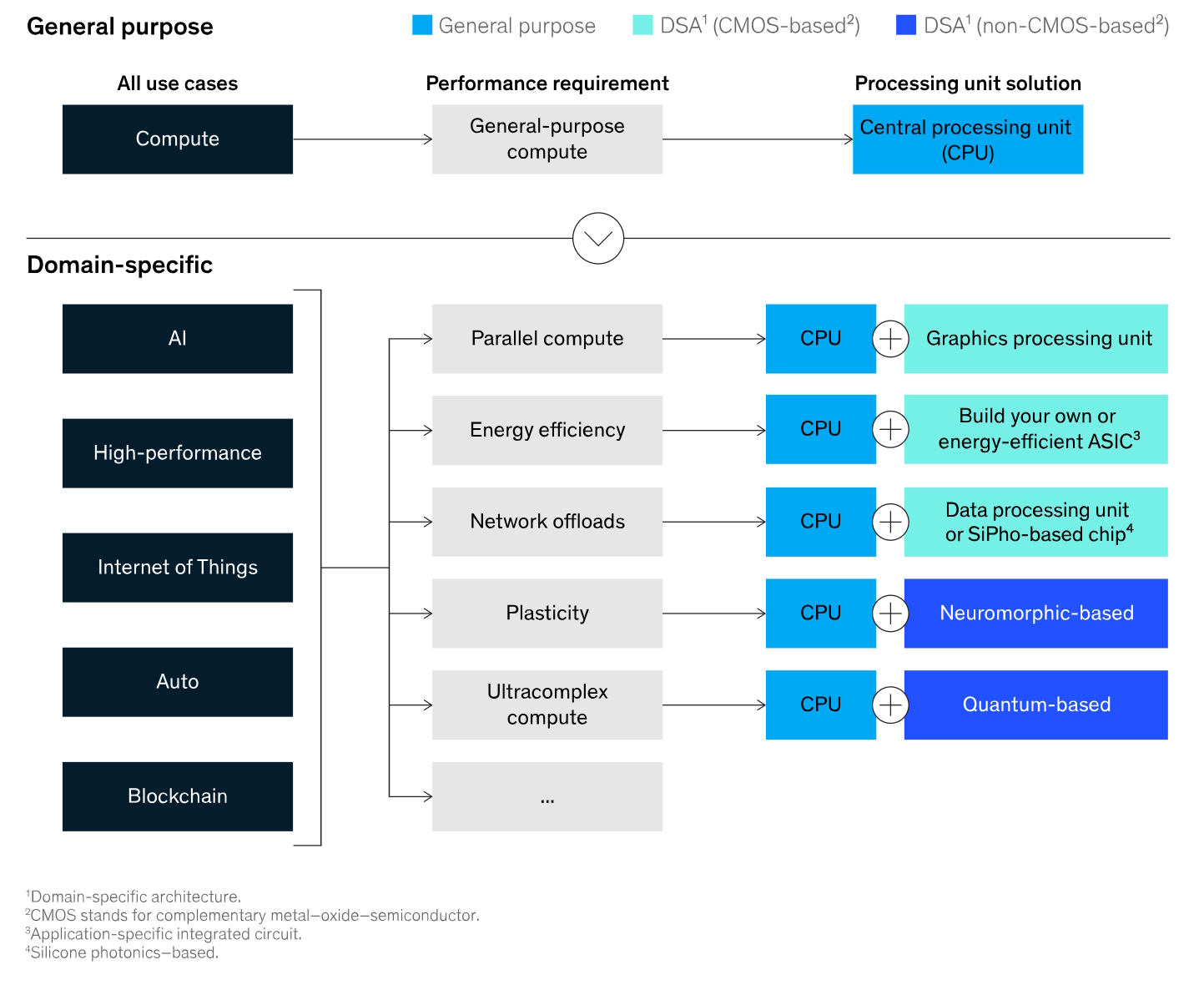
The Open Domain-Specific Architecture (ODSA) is a project within the Open Compute Project (OCP) community to establish open physical and logical die-to-die (D2D) interfaces for chiplets. The goal is to democratize the design and use of chiplets for domain-specific high-performance computing (HPC) applications like generative artificial intelligence (AI). Domain-specific architectures (DSAs) are an emerging approach […]
Read article →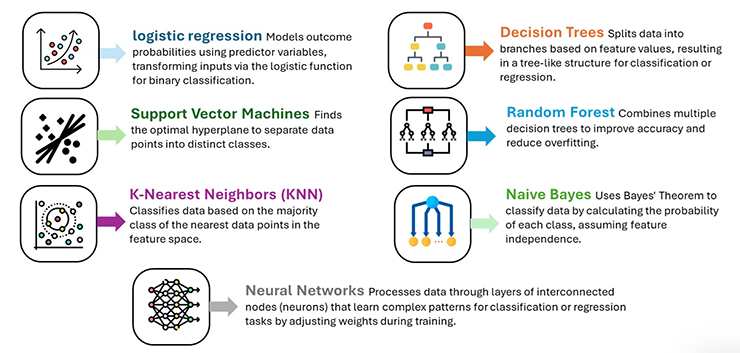
This article digs into how machine learning (ML) and artificial intelligence (AI) contribute to the optimization of green energy systems and electric vehicles (EVs). It looks at a few of the ways ML/AI enable designers to deploy dynamic models that learn from experience, and handle non-linearities and changing, complex conditions better than fixed algorithms. Part […]
Read article →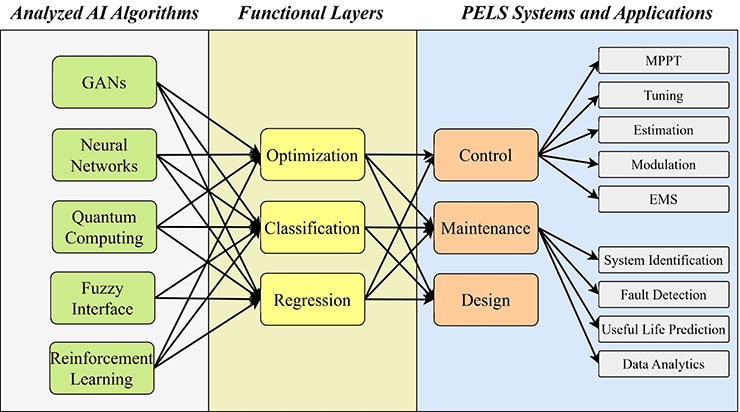
The use of machine learning (ML) and artificial intelligence (AI) in power converters represents the latest development in the field of digital power. They are being used in advanced converter control schemes, performance monitors of electrolytic capacitors to support preventative maintenance, and power management systems to improve efficiency and enhance reliability.
Read article →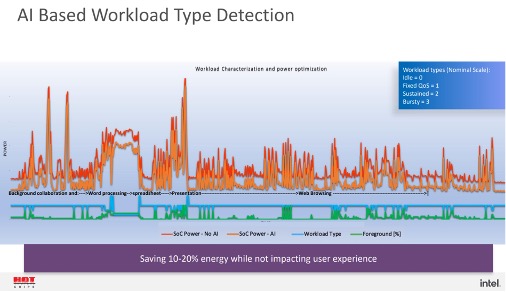
Dynamic voltage and frequency scaling (DVFS) is a common energy-saving technique used in computer processor ICs based on the quadratic relationship between power consumption and operating voltage and the linear relationship between power consumption and frequency. It reacts to changing operating demands on the processor to minimize energy consumption. The addition of artificial intelligence (AI) […]
Read article →
Battery energy storage systems (BESS) are becoming essential for advancing renewable energy, allowing excess power produced during low-demand periods to be stored and used when demand increases. As adoption grows, so do the associated engineering hurdles, especially in thermal design. Ineffective thermal management can hinder a system’s ability to release heat during peak usage, resulting in…
Read article →
Edge AI is no longer experimental. From wearables and medical sensors to smart home devices, industrial monitors, and infrastructure nodes, products are increasingly expected to sense, analyze, and make decisions locally while operating for months or even years on small batteries. This requirement has turned ultra-low-power system design into one of the most complex challenges […]
Read article →
Battery energy storage systems (BESS) are playing an increasingly critical role in supporting renewable energy adoption, enabling excess power generated during off-peak periods to be stored and deployed when demand surges.
Read article →