Back to the News Desk

Category

AI for Engineers 102

15 articles

How TLVRs support extreme power demands in AI datacenters

How TLVRs support extreme power demands in AI datacenters

Jeff Shepard June 26, 2026

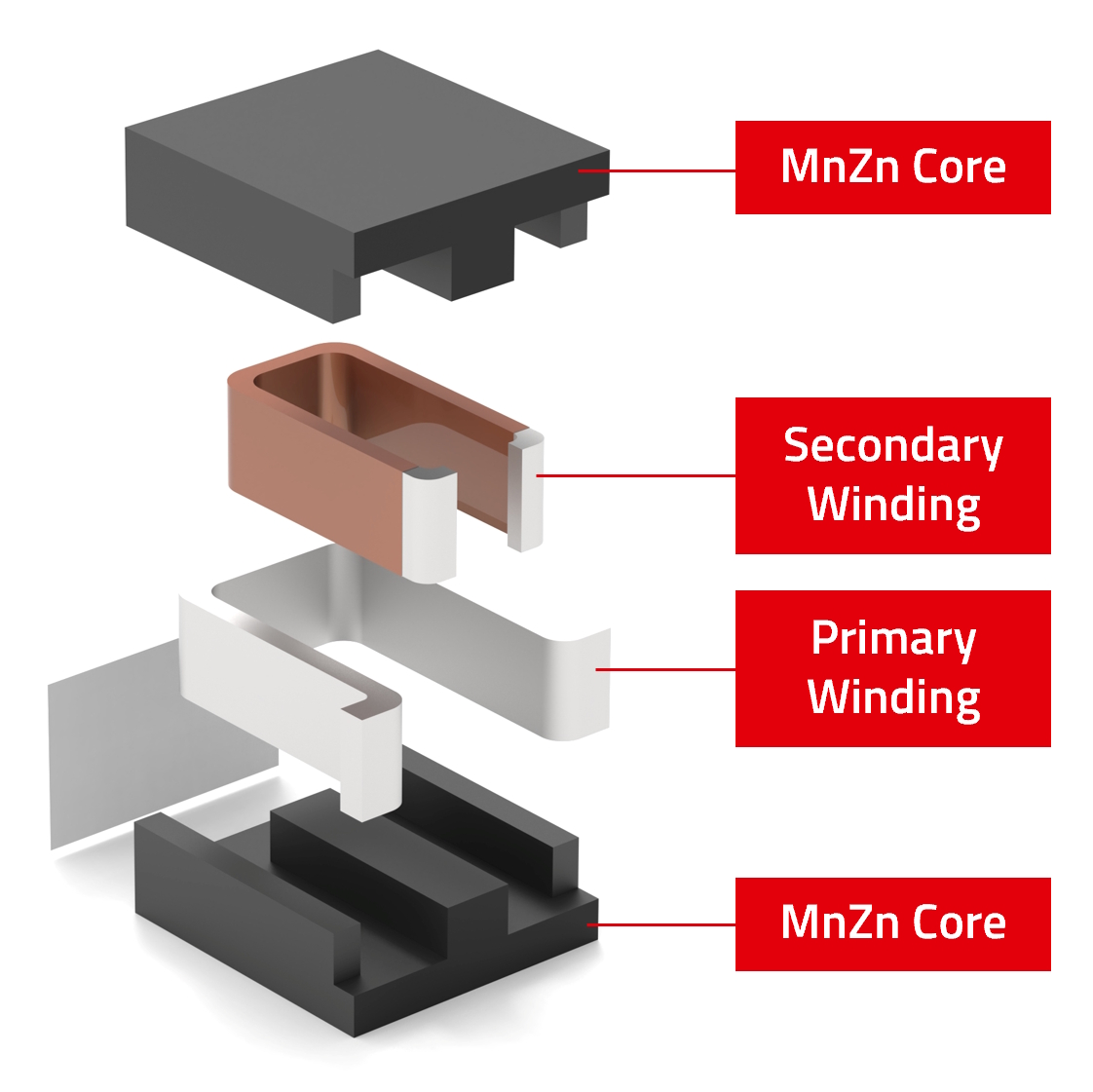
Trans inductor voltage regulators, occasionally referred to as transient load voltage regulators, (TLVRs) use coupled inductors with an additional secondary winding to create a series-connected secondary loop, allowing all phases to react simultaneously to load changes. That enables TLVRs to support the extreme power demands of GPUs in AI datacenters, and as detailed below, they […]

Read article →
What kinds of PAI dev kits are available for humanoid robotics?

What kinds of PAI dev kits are available for humanoid robotics?

Jeff Shepard June 17, 2026

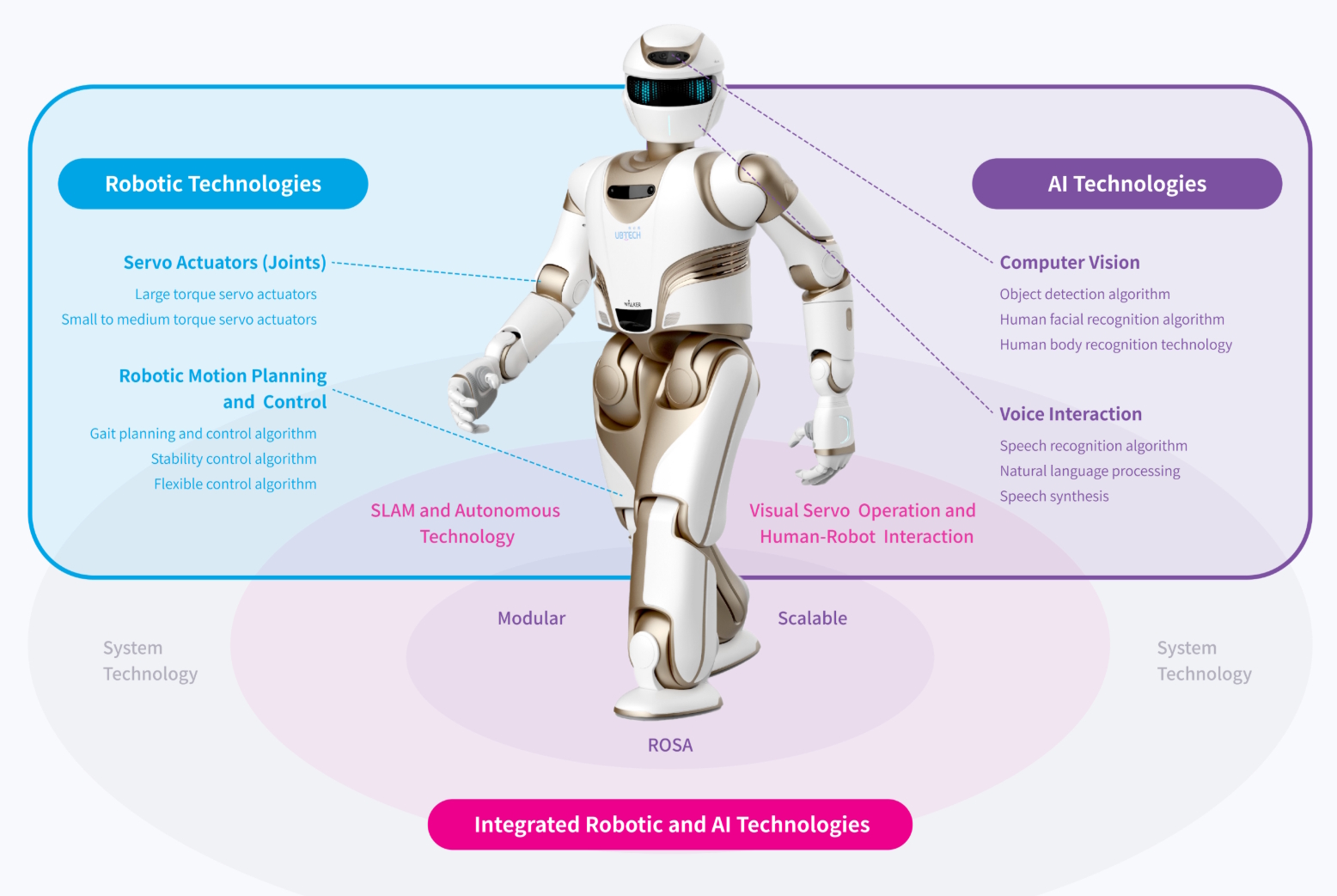
Physical artificial intelligence (PAI) development kits for humanoid robotics range from high-end, industrial-grade platforms to prosumer and educational, modular do-it-yourself (DIY) kits, Raspberry Pi-based options, and more. Some kits are suited for specific functions like walking and navigation, using AI to understand natural language, sensor fusion, power conversion, and motion control, and handling objects in […]

Read article →

What are the applications of physical artificial intelligence?

What are the applications of physical artificial intelligence?

Jeff Shepard May 12, 2026

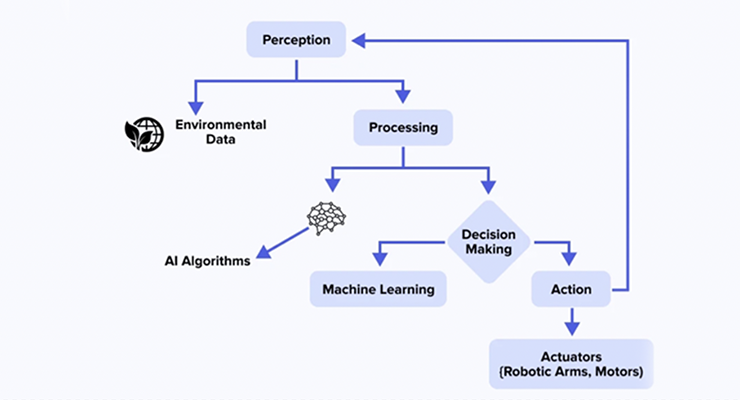
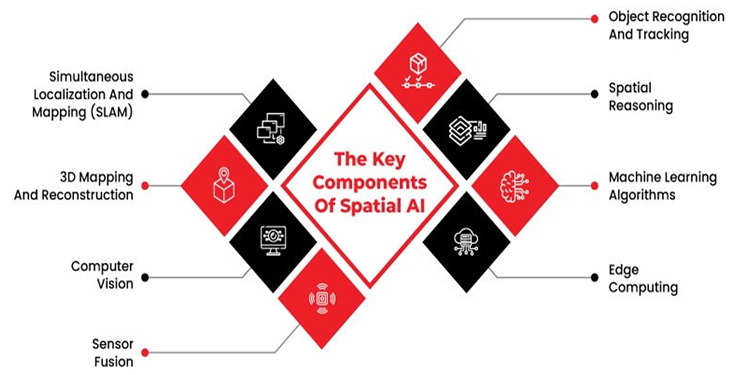
Physical artificial intelligence (PAI) enables machines to perceive, reason, and act within the real world, bridging the gap between digital AI (DAI), sometimes called virtual AI, and physical action. PAI often leverages spatial artificial intelligence (SAI) technology. PAI applications span numerous industries, from basic automation to autonomous vehicles and complex surgical procedures. PAI applications represent […]

Read article →

What are the top machine-learning frameworks for microcontrollers

What are the top machine-learning frameworks for microcontrollers

Nikhil Agnihotri July 29, 2026

Machine learning (ML) is becoming increasingly important for microcontrollers because it enables smart and autonomous decision-making in embedded systems. The many Internet of Things (IoT) applications, often called “smart devices”, only become intelligent thanks to ML. Microcontrollers are commonly used in edge computing devices where data is processed locally rather than being sent…

Read article →
What AI acceleration techniques are used for embedded devices?

What AI acceleration techniques are used for embedded devices?

Nikhil Agnihotri June 29, 2026

Artificial Intelligence (AI) is no longer confined to data centers. Today, AI is widely used and implemented in edge devices, smartphones, and embedded systems. This has been made possible through hardware and software acceleration methods that work together within embedded systems. It’s now feasible to run small machine-learning models on low-power, resource-constrained microcontroller units without…

Read article →
How to calculate efficiency across the AI power chain

How to calculate efficiency across the AI power chain

Jeff Shepard June 27, 2026

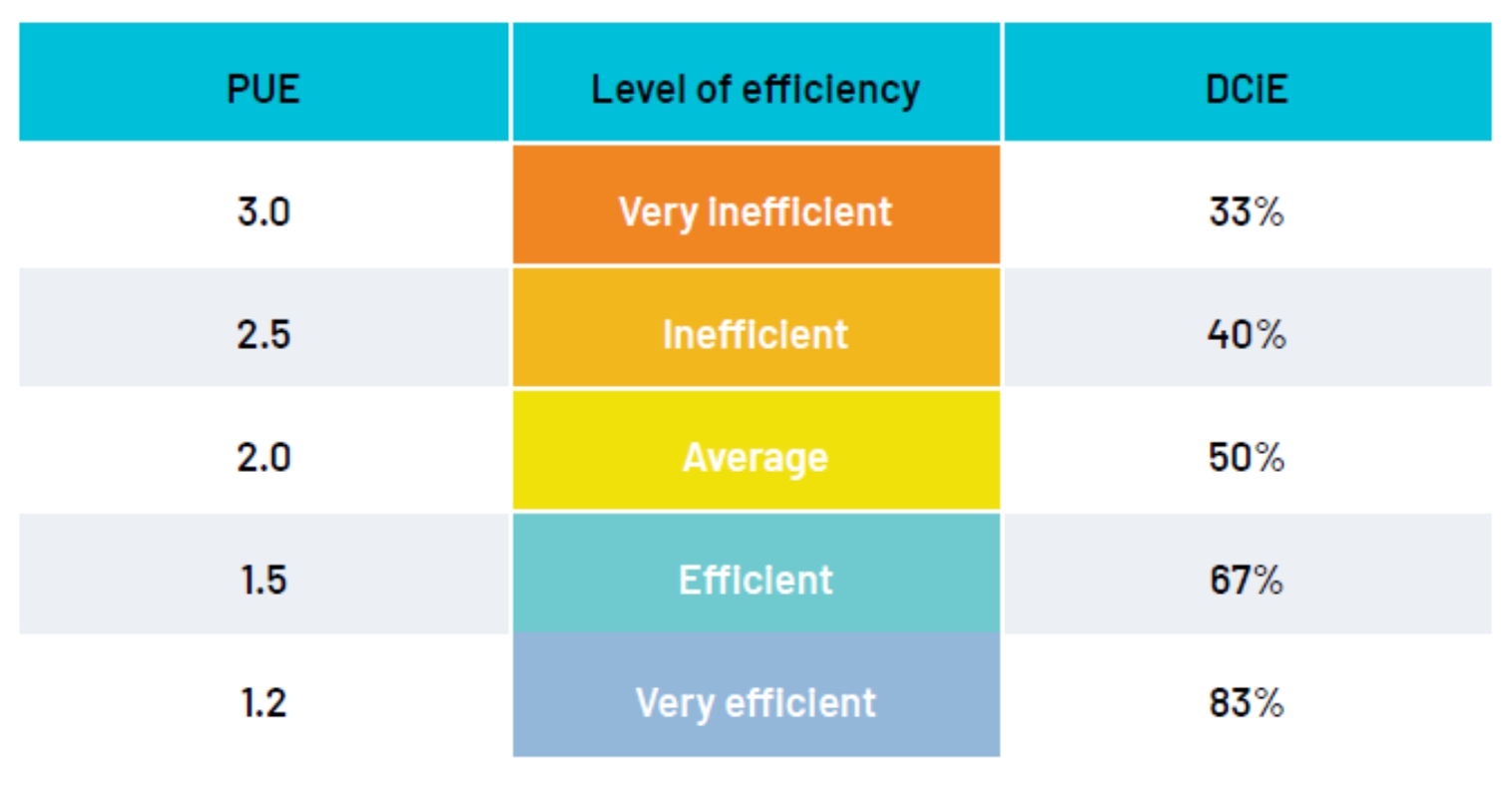
Like many aspects of artificial intelligence (AI), there’s not a single approach when calculating efficiency across the AI power chain. It depends on where you look. Are the calculations related to the facility layer, the compute and hardware layer, or the workload and algorithm layer? At the facility level, efficiency is discussed in terms of […]

Read article →

How does the open domain-specific architecture relate to chiplets and generative AI?

How does the open domain-specific architecture relate to chiplets and generative AI?

Jeff Shepard June 17, 2026

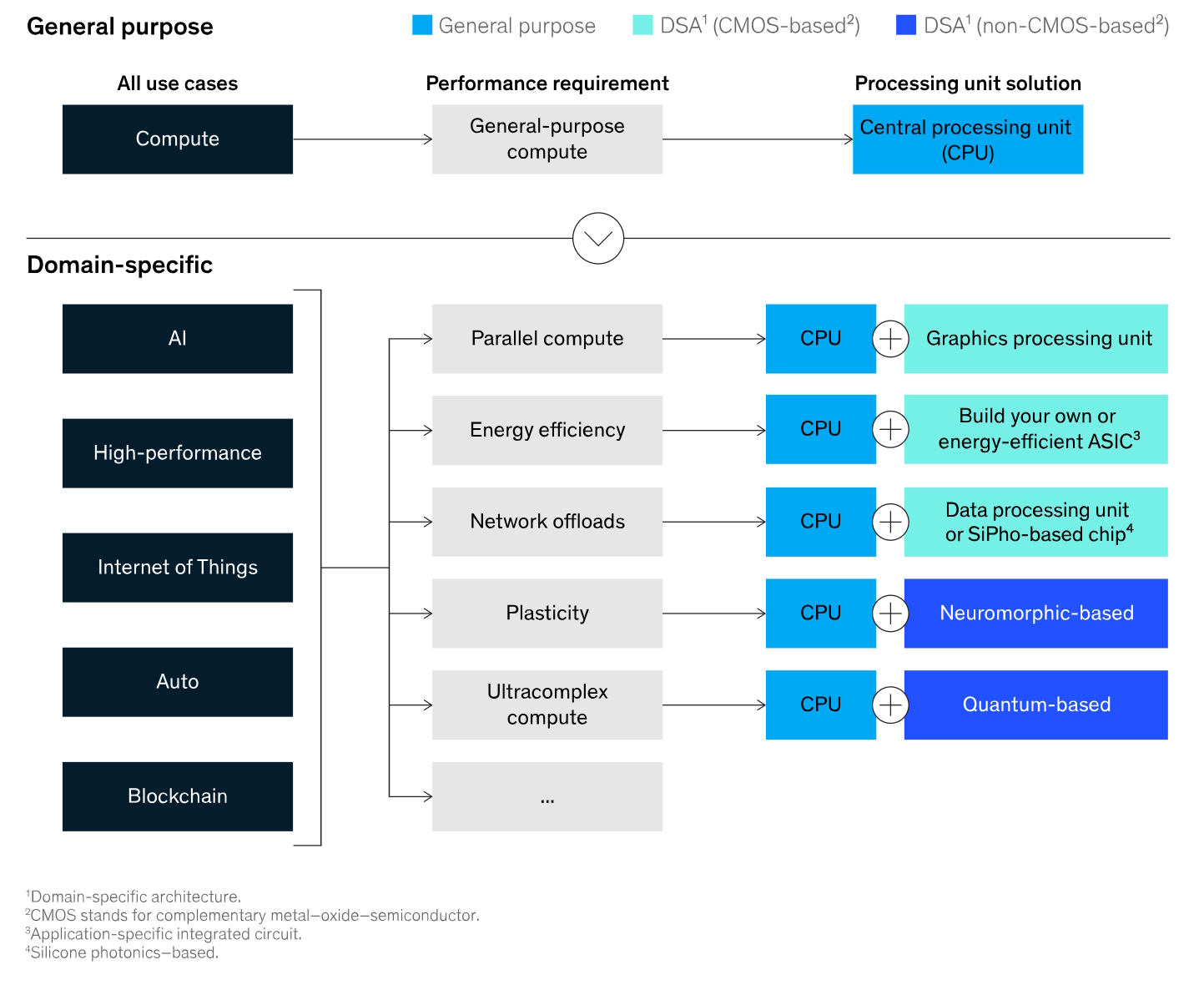
The Open Domain-Specific Architecture (ODSA) is a project within the Open Compute Project (OCP) community to establish open physical and logical die-to-die (D2D) interfaces for chiplets. The goal is to democratize the design and use of chiplets for domain-specific high-performance computing (HPC) applications like generative artificial intelligence (AI). Domain-specific architectures (DSAs) are an emerging approach […]

Read article →

What is new in UCIe 3.0?

What is new in UCIe 3.0?

Jeff Shepard June 4, 2026

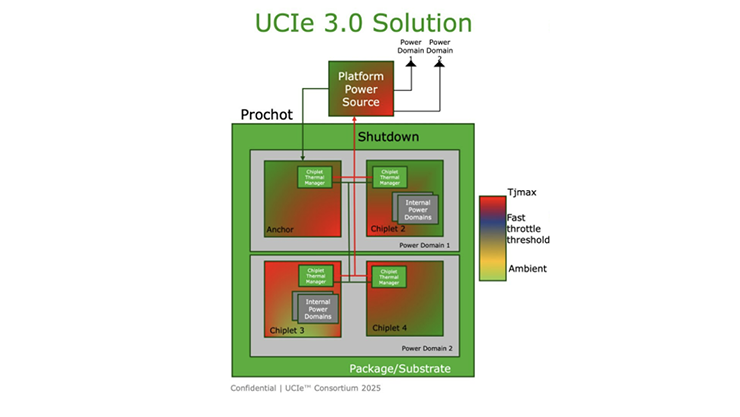
Universal Chiplet Interconnect Express (UCIe) 3.0 is focused on increased bandwidth, improved power efficiency, and enhanced system-level management for next-generation chiplet-based designs. It’s designed to support artificial intelligence and high-performance computing while maintaining backward compatibility with UCIe 2.0 and 1.0.

Read article →

How ML and AI work in power conversion: part 2

How ML and AI work in power conversion: part 2

Jeff Shepard May 28, 2026

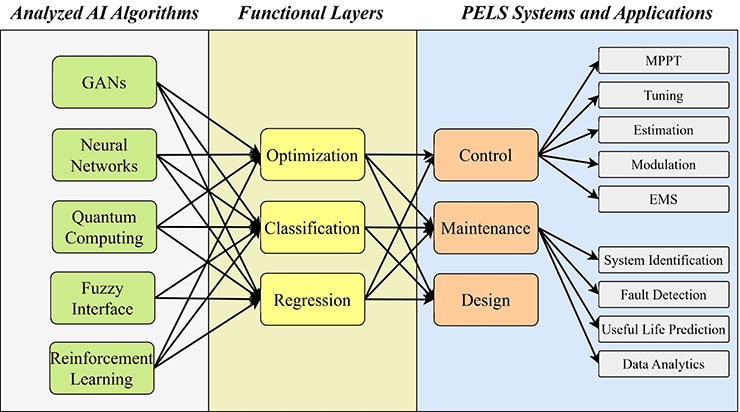
This article digs into how machine learning (ML) and artificial intelligence (AI) contribute to the optimization of green energy systems and electric vehicles (EVs). It looks at a few of the ways ML/AI enable designers to deploy dynamic models that learn from experience, and handle non-linearities and changing, complex conditions better than fixed algorithms. Part […]

Read article →

How do ML and AI work in power conversion? part 1

How do ML and AI work in power conversion? part 1

Jeff Shepard May 28, 2026

The use of machine learning (ML) and artificial intelligence (AI) in power converters represents the latest development in the field of digital power. They are being used in advanced converter control schemes, performance monitors of electrolytic capacitors to support preventative maintenance, and power management systems to improve efficiency and enhance reliability.

Read article →
How can AI enhance DVFS in processor power management?

How can AI enhance DVFS in processor power management?

Jeff Shepard May 28, 2026

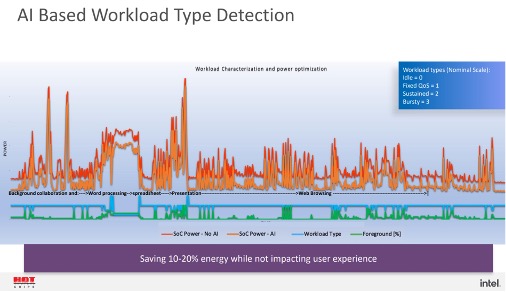
Dynamic voltage and frequency scaling (DVFS) is a common energy-saving technique used in computer processor ICs based on the quadratic relationship between power consumption and operating voltage and the linear relationship between power consumption and frequency. It reacts to changing operating demands on the processor to minimize energy consumption. The addition of artificial intelligence (AI) […]

Read article →
How do AI agents and model context protocol work together?

How do AI agents and model context protocol work together?

Jeff Shepard May 13, 2026

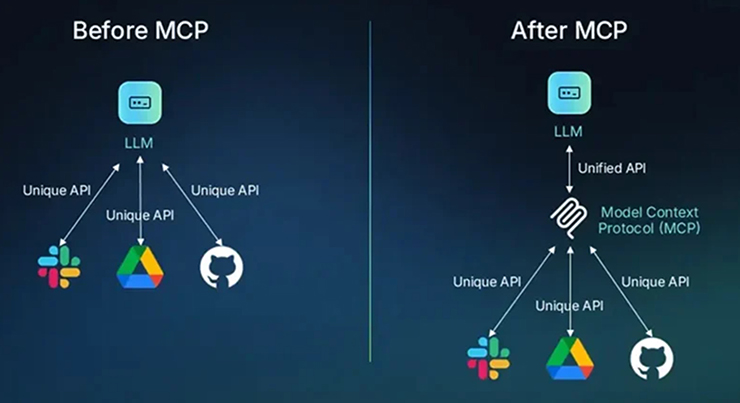
An AI agent, combined with a model context protocol (MCP), can create more contextual AI systems that can perform a wide range of tasks, from automating processes to providing insights and interacting with users. MCP helps AI agents connect to data sources, enabling them to access information, collaborate with other systems, and make decisions based on real-time data.

Read article →
Engineering.comDesign WorldR&D WorldThe Robot ReportEE WorldFluid Power WorldMedical Design & Outsourcing
Drug Discovery & DevelopmentPharmaceutical Processing WorldPlant EngineeringConsulting-Specifying EngineerControl EngineeringSolar Power World