Back to the News Desk

Category

Edge, Embedded, IoT

8 articles

Liquid Instruments showcases hardware platform and generative HDL coding tool

Liquid Instruments showcases hardware platform and generative HDL coding tool

Aimee Kalnoskas May 28, 2026

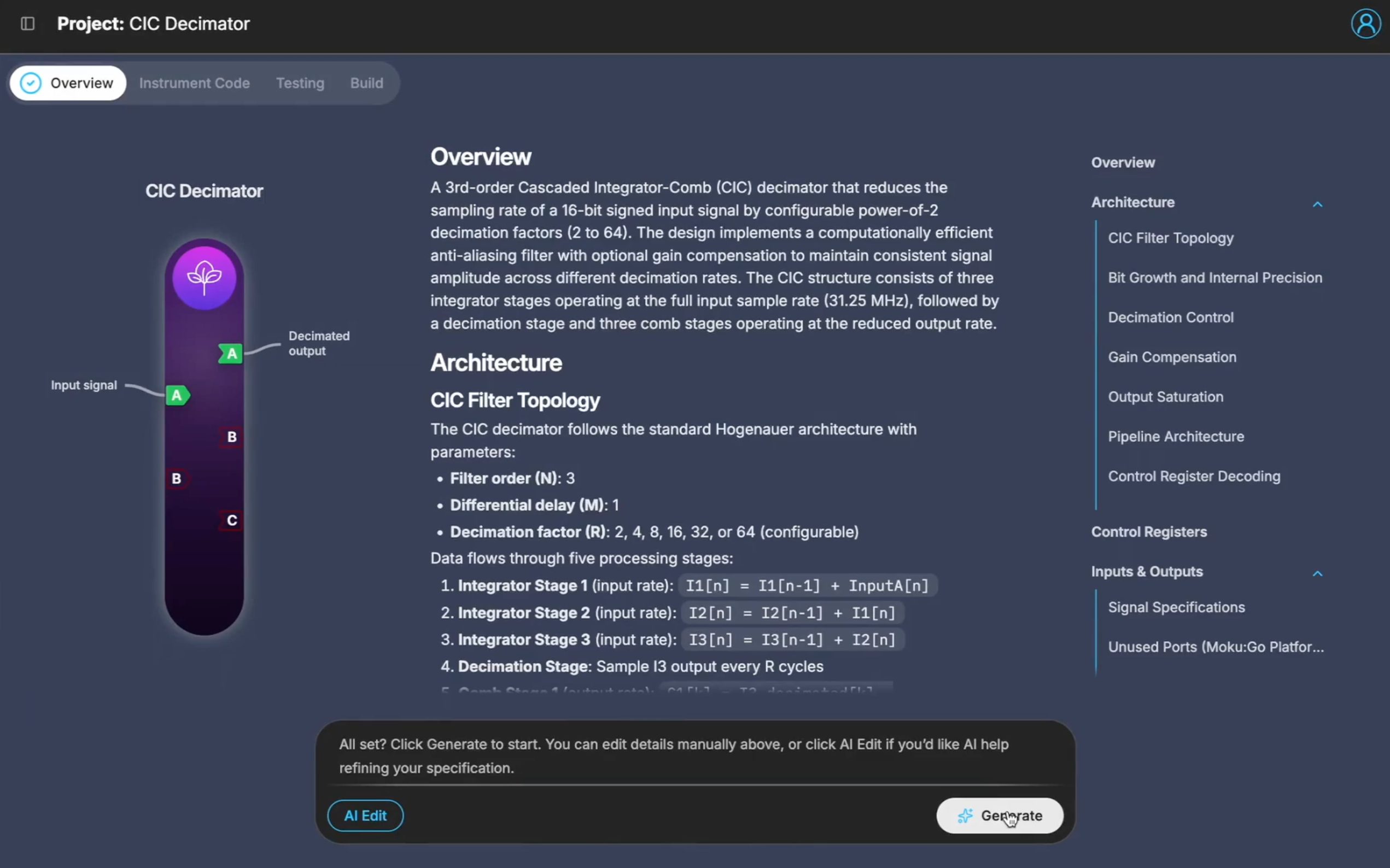
At DesignCon 2026, Liquid Instruments displayed the Moku:Delta hardware platform and a new AI tool called Generative Instrumentation. Moku:Delta is a meaningful hardware upgrade over its predecessor, featuring eight channels instead of four, a larger FPGA, improved analog input noise performance, and QSFP ports that support high-speed data streaming up to 80 Gbps. The device […]

Read article →
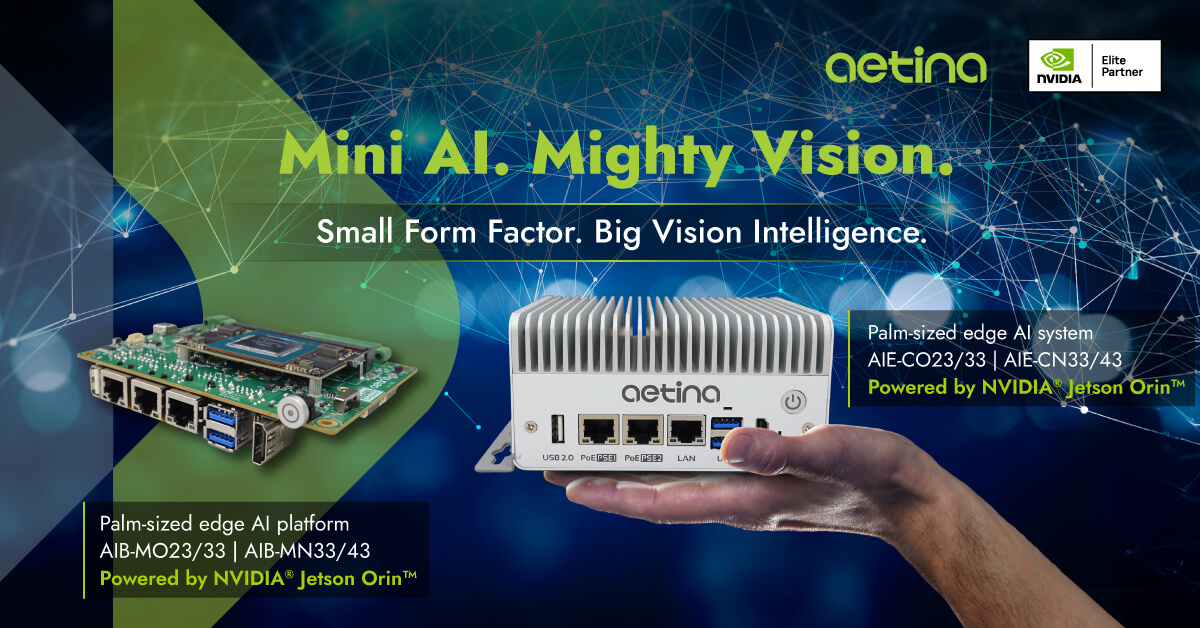
Edge AI systems deliver up to 157 TOPS

Edge AI systems deliver up to 157 TOPS

Puja Mitra June 21, 2026

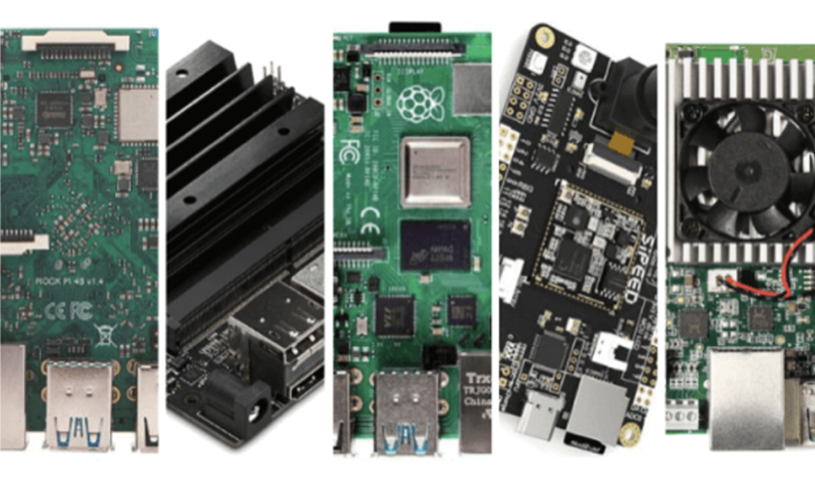
Aetina Corporation has introduced its Mini Series Edge AI systems, including the AIE-CO23/33-S1, AIE-CN33/43-A1, AIB-MO23/33-S1 and AIB-MN33/43-S1, built on NVIDIA Jetson Orin Nano with Super Mode and Jetson Orin NX modules for vision AI and generative AI inference at the edge. The systems offer compact fanless designs, support up to 100 TOPS or 157 TOPS […]

Read article →
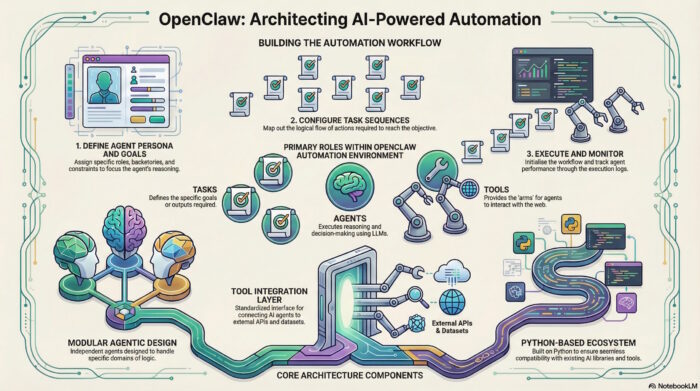
OpenClaw is open-source edge AI for (almost) every application

OpenClaw is open-source edge AI for (almost) every application

Jeff Shepard June 29, 2026

OpenClaw is being touted as the “operating system for personal AI.” It’s being supported by a wide array of companies, including NVIDIA. Target applications range from generative and agentic AI in consumer devices like smartphones, edge applications like medical devices, and physical AI (PAI) in robotics. Formerly called Clawdbot, OpenClaw is designed to fill a […]

Read article →
RISC-V for artificial intelligence, machine learning, and embedded systems

RISC-V for artificial intelligence, machine learning, and embedded systems

Jeff Shepard June 19, 2026

Several RISC-V development efforts are targeting applications such as artificial intelligence (AI), machine learning (ML), deep learning (DL), and other high-performance embedded applications. The previous two FAQs in this series considered the capabilities of RISC-V and the near-term risks associated with the technology, and the growing availability of tools that are helping to reduce the […]

Read article →
What AI acceleration techniques are used for embedded devices?

What AI acceleration techniques are used for embedded devices?

Nikhil Agnihotri June 29, 2026

Artificial Intelligence (AI) is no longer confined to data centers. Today, AI is widely used and implemented in edge devices, smartphones, and embedded systems. This has been made possible through hardware and software acceleration methods that work together within embedded systems. It’s now feasible to run small machine-learning models on low-power, resource-constrained microcontroller units without…

Read article →
How does the open domain-specific architecture relate to chiplets and generative AI?

How does the open domain-specific architecture relate to chiplets and generative AI?

Jeff Shepard June 17, 2026

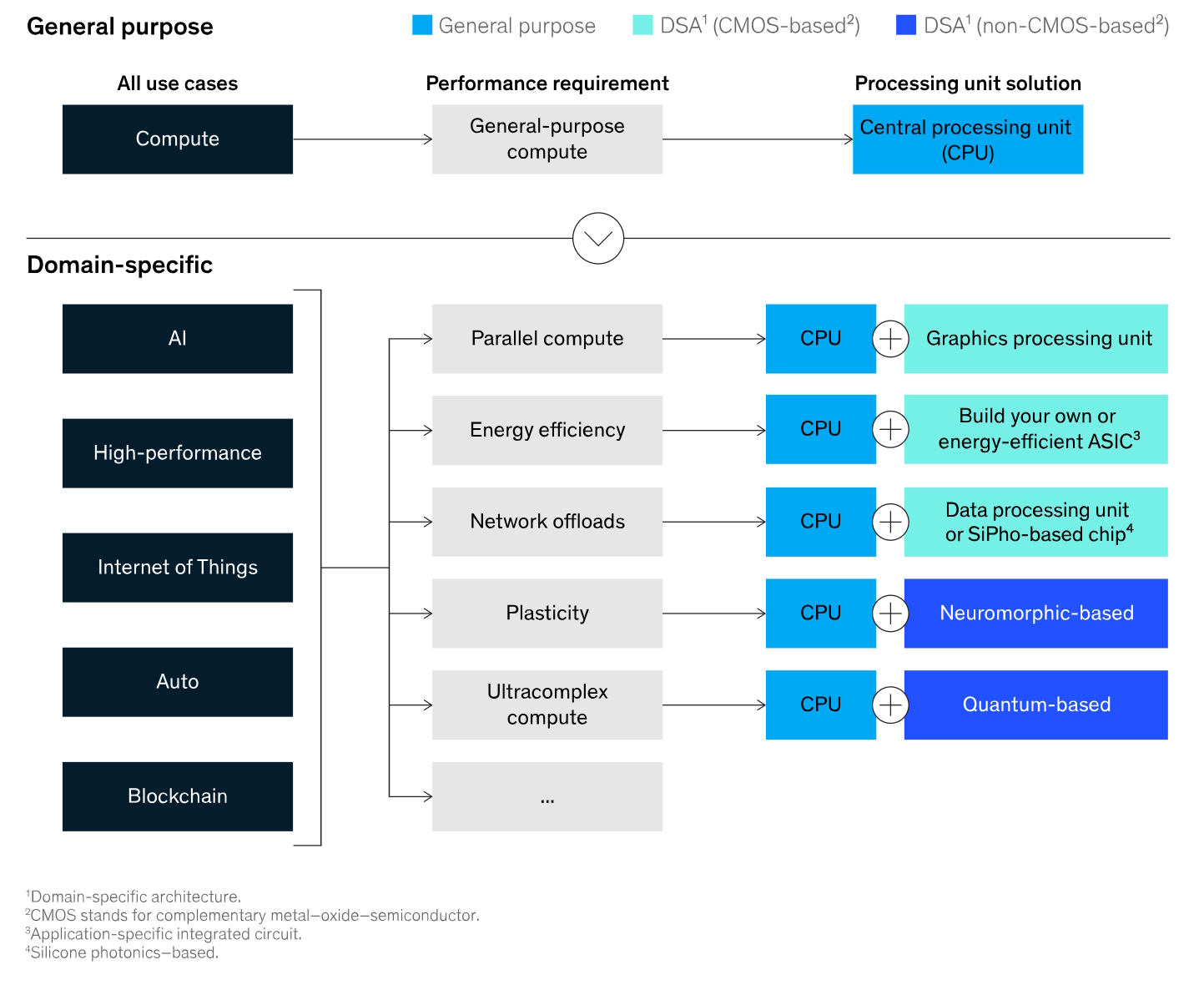
The Open Domain-Specific Architecture (ODSA) is a project within the Open Compute Project (OCP) community to establish open physical and logical die-to-die (D2D) interfaces for chiplets. The goal is to democratize the design and use of chiplets for domain-specific high-performance computing (HPC) applications like generative artificial intelligence (AI). Domain-specific architectures (DSAs) are an emerging approach […]

Read article →
Accelerating edge AI, for the robot’s sake

Accelerating edge AI, for the robot’s sake

Paul Heney June 28, 2026

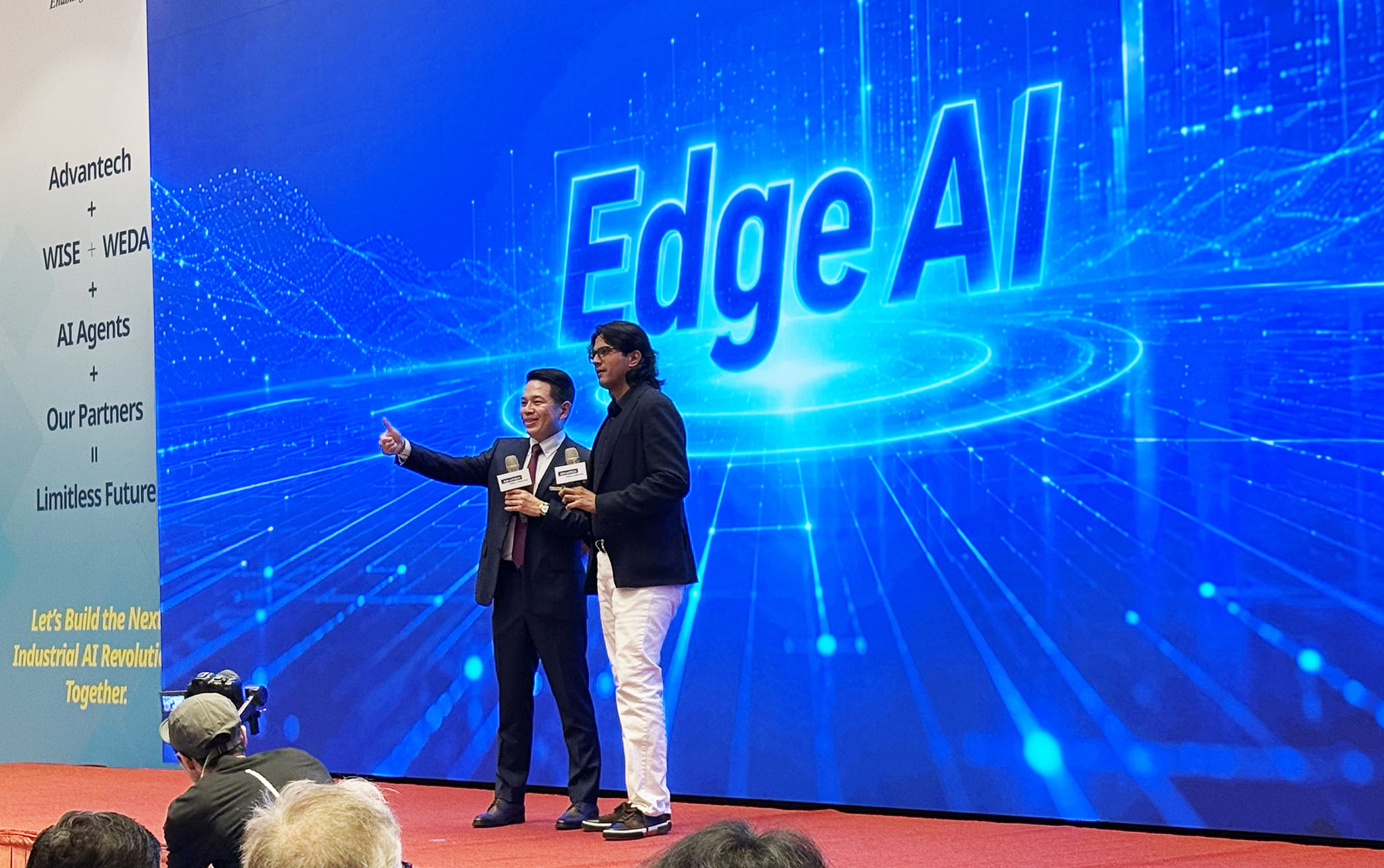
At the recent Advantech Edge AI Conference in Taipei, attendees heard about plenty of positive trends for the future. Miller Chang, President of Embedded Sector, Advantech, noted that the Global EdgeAI market is estimated to grow to an incredible $196.6 billion for 2034. Hardware will lead there with AI accelerators, and software and services will…

Read article →
Why small language models win at the Edge

Why small language models win at the Edge

By Pietro Antonio Ciclese, Senior Technical Marketing Engineer, Ambarella The workloads that generate the most commercial value in edge AI scenarios run under power and thermal constraints that are, to put it mildly, very far from those found in data centers. Take, for example, a vision camera used for surveillance or inspection. These often draw […]

Read article →
Engineering.comDesign WorldR&D WorldThe Robot ReportEE WorldFluid Power WorldMedical Design & Outsourcing
Drug Discovery & DevelopmentPharmaceutical Processing WorldPlant EngineeringConsulting-Specifying EngineerControl EngineeringSolar Power World