What role does digital transformation play in physics AI?
Yogi Schulz June 29, 2026
Physics AI is a powerful engineering tool based on a foundation of digital transformation.
Read article →
Physics AI is a powerful engineering tool based on a foundation of digital transformation.
Read article →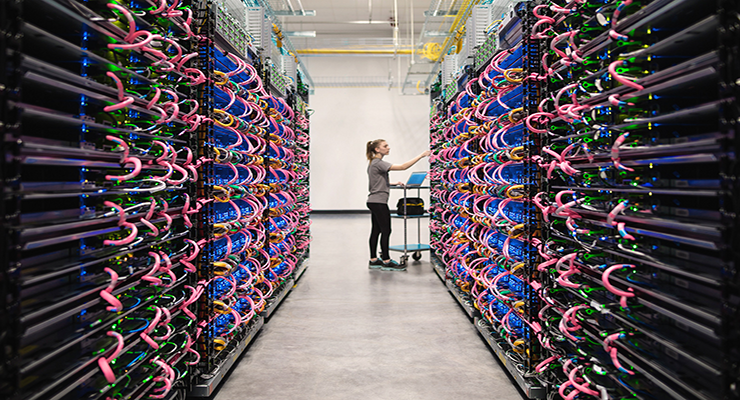
Many data centers are packed with racks of high-performance graphics processing units (GPUs) and tensor processing units (TPUs). These accelerators process massive artificial intelligence (AI) and machine learning (ML) datasets, executing complex operations in parallel and exchanging data at high speed. This article explores the interconnects and connectors that link AI accelerator clusters together.
Read article →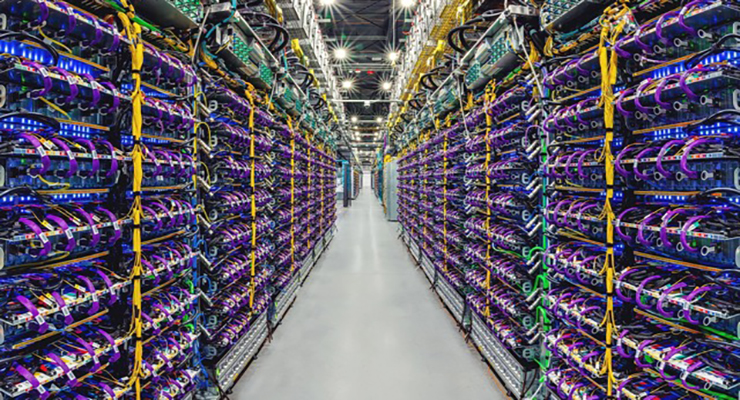
Artificial intelligence (AI) and machine learning (ML) applications consume significant power and generate considerable heat in data centers.
Read article →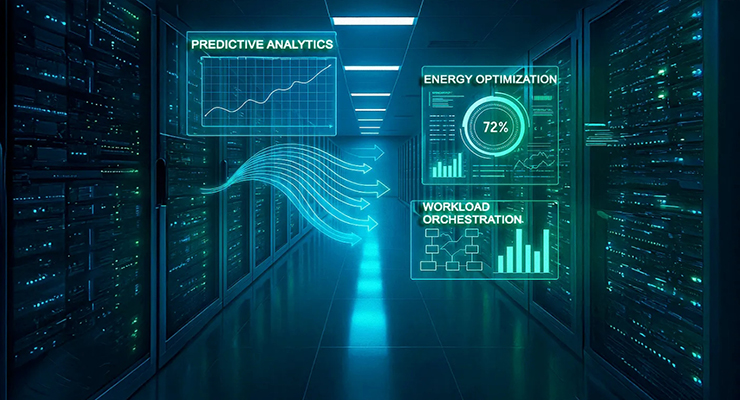
PAI is being used for data center optimization to support the demands of digital AI (DAI) applications like training large language models (LLMs), running inference for real-time applications, and supporting infrastructure like power-hungry GPUs and memory.
Read article →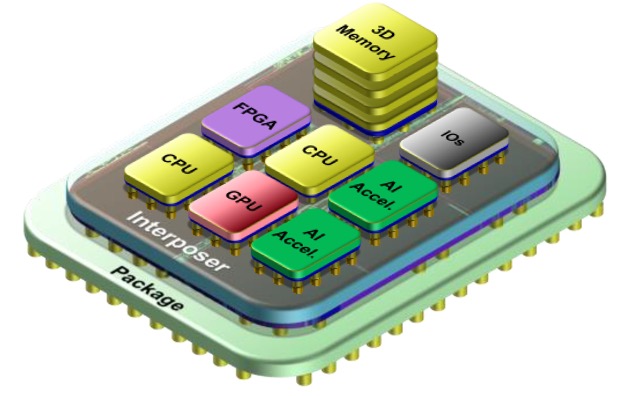
Chiplets are here, and more are coming. They can overcome the yield limitations of large ASICs, support a mix-and-match strategy for heterogeneous semiconductor IPs and multiple process nodes, improve thermal performance, and speed time to market. They are being used in a range of high-performance computing (HPC) applications, notably generative artificial intelligence (AI) and machine […]
Read article →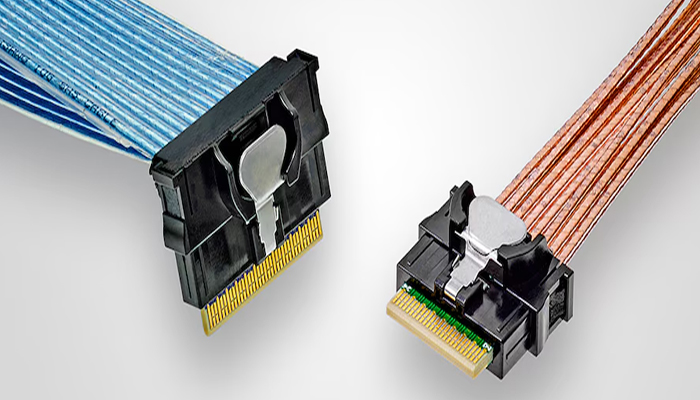
The high-performance computing platforms used for artificial intelligence (AI) and machine learning (ML) in hyperscale data centers need high-speed interconnects like 112 Gbps PAM 4 and faster inside the servers. High-speed interconnects are also required between the servers and storage devices. Twin axial (Twinax) cable assemblies are one way to address those needs. This article […]
Read article →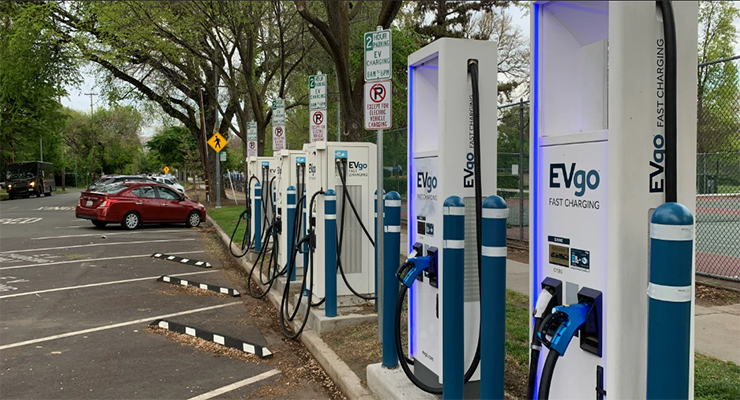
Many automotive manufacturers classify new cars and trucks as software-defined vehicles (SDVs). As SDVs by design, electric vehicles (EVs) optimize vital systems and functions with sophisticated artificial intelligence (AI) and machine learning (ML) capabilities. This article discusses AI’s crucial role in EVs, from smart charging and advanced driver assistance systems (ADAS) to predictive maintenance and…
Read article →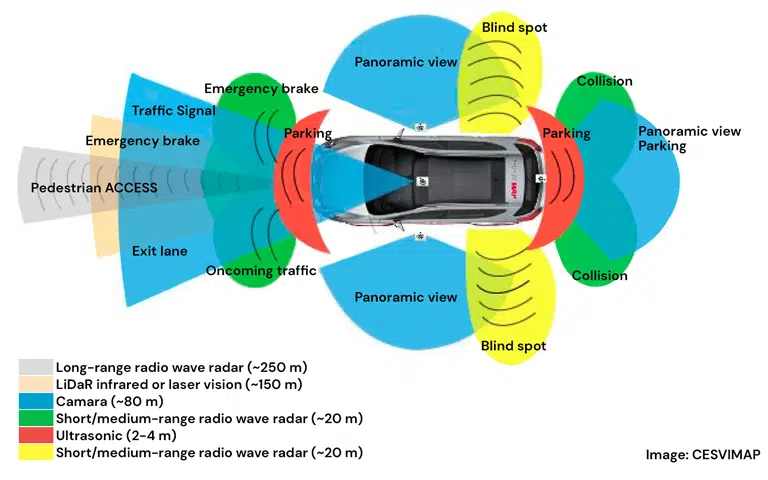
Artificial intelligence (AI) and machine learning (ML) continue to push the limits of conventional semiconductor architectures. To increase speeds, lower latency, and optimize power consumption for high-performance workloads, semiconductor companies, and research institutions are developing advanced photonic chips that operate on the principles of light rather than electrical currents.
Read article →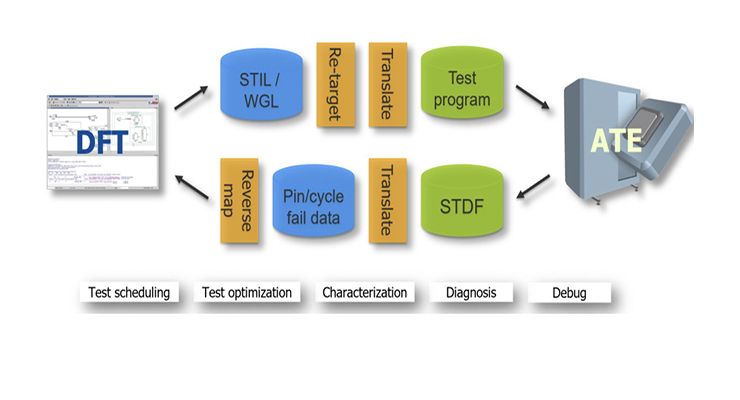
Design for testability (DFT) embeds testable features into an integrated circuit (IC) during design, while silicon bring-up initiates chip evaluation and debugging. Streamlining these sequential processes minimizes design cycles and shortens time-to-market (TTM) for advanced artificial intelligence (AI) accelerators.
Read article →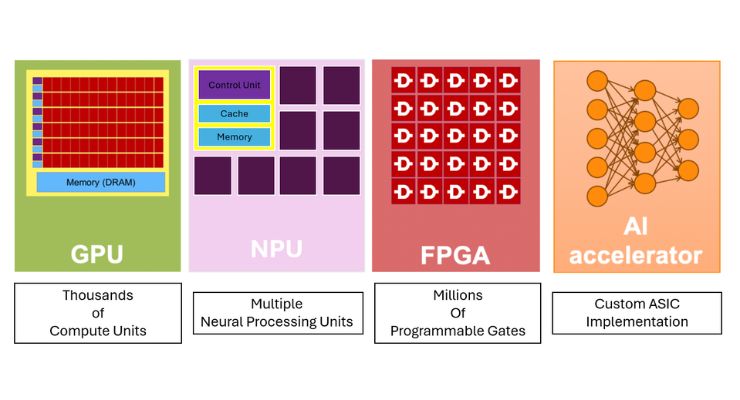
Artificial intelligence (AI) applications are spreading to more industries every day. However, the amount of energy used by these AI systems has become a significant issue. Modern deep neural networks require a considerable amount of computing power.
Read article →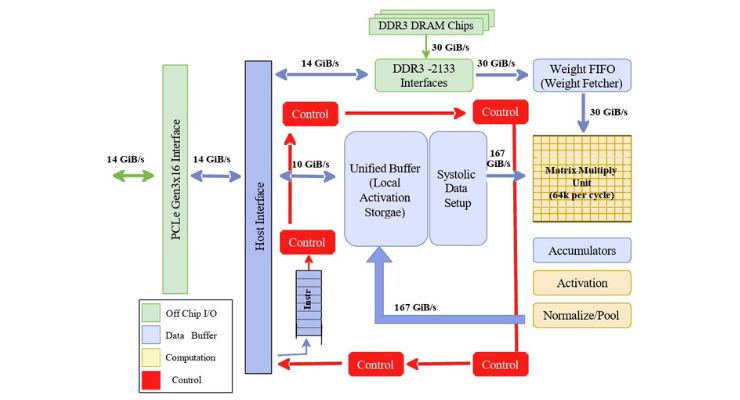
The transition from general-purpose computing to AI-specific hardware is driven by the specific computational and energy requirements of deep learning models. As these models scale to trillions of parameters, traditional architectures face the memory wall, where the energy required for data movement between memory and processing units significantly exceeds the energy consumed by the computation itself.
Read article →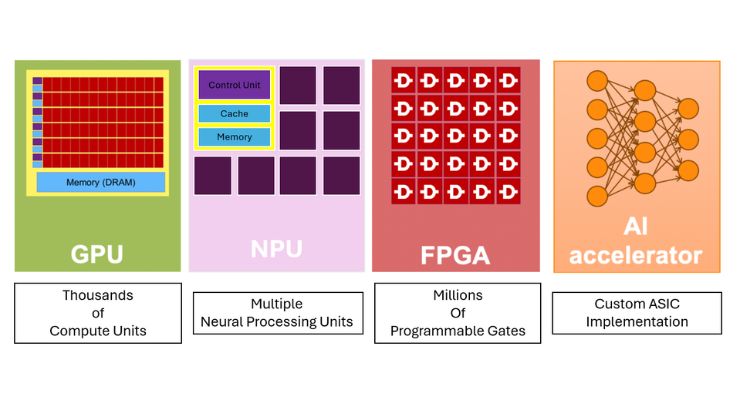
This article explains what compute-in-memory (CIM) technology is and how it works. We will examine how current implementations are already delivering significantly better efficiency improvements compared to conventional processors. We will also explore why this new approach could change AI computing.
Read article →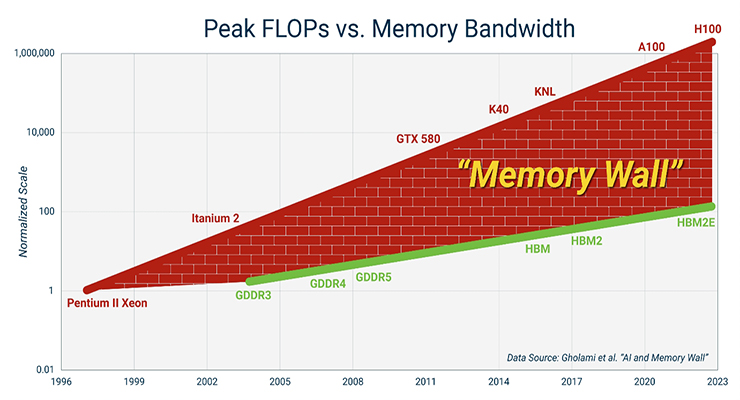
The high-performance computing (HPC) memory wall generally refers to the growing disparity between processor speed and memory bandwidth. When processor performance outpaces memory access speeds, this creates a bottleneck in overall system performance, particularly in memory-intensive applications like artificial intelligence (AI).
Read article →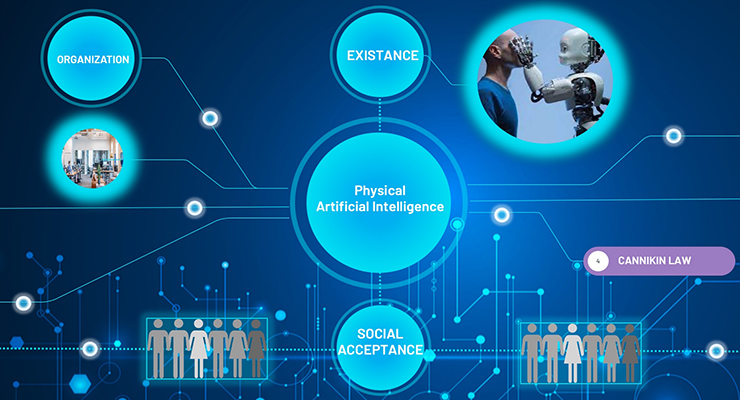
An AI governor is a framework, set of policies, or an oversight mechanism designed to ensure that the development and use of AI systems are ethical, safe, transparent, and compliant with legal and societal standards. The term can also refer to an actual piece of code or circuit (governor logic) used as a safety mechanism […]
Read article →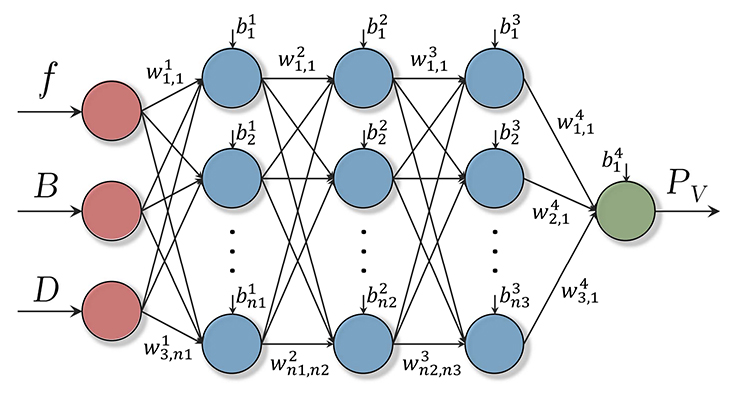
The IEEE Power Electronics Society (PELS) Google-Tesla MagNet Challenge is an annual competition. It’s designed to accelerate innovation in magnetic modeling using artificial intelligence (AI). This article reviews some of the highlights from the first two MagNet Challenges in 2023 and 2024. The first installment ran from February to December 2023, with the winners announced […]
Read article →
Orchestration, custom models, and strategic guidance.
Read article →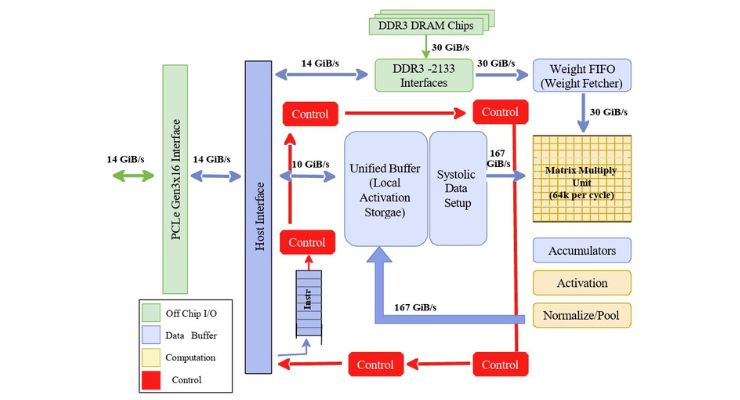
The transition from general-purpose computing to AI-specific hardware is driven by the specific computational and energy requirements of deep learning models. As these models scale to trillions of parameters, traditional architectures face the memory wall, where the energy required for data movement between memory and processing units significantly exceeds the energy consumed by the computation itself.
Read article →